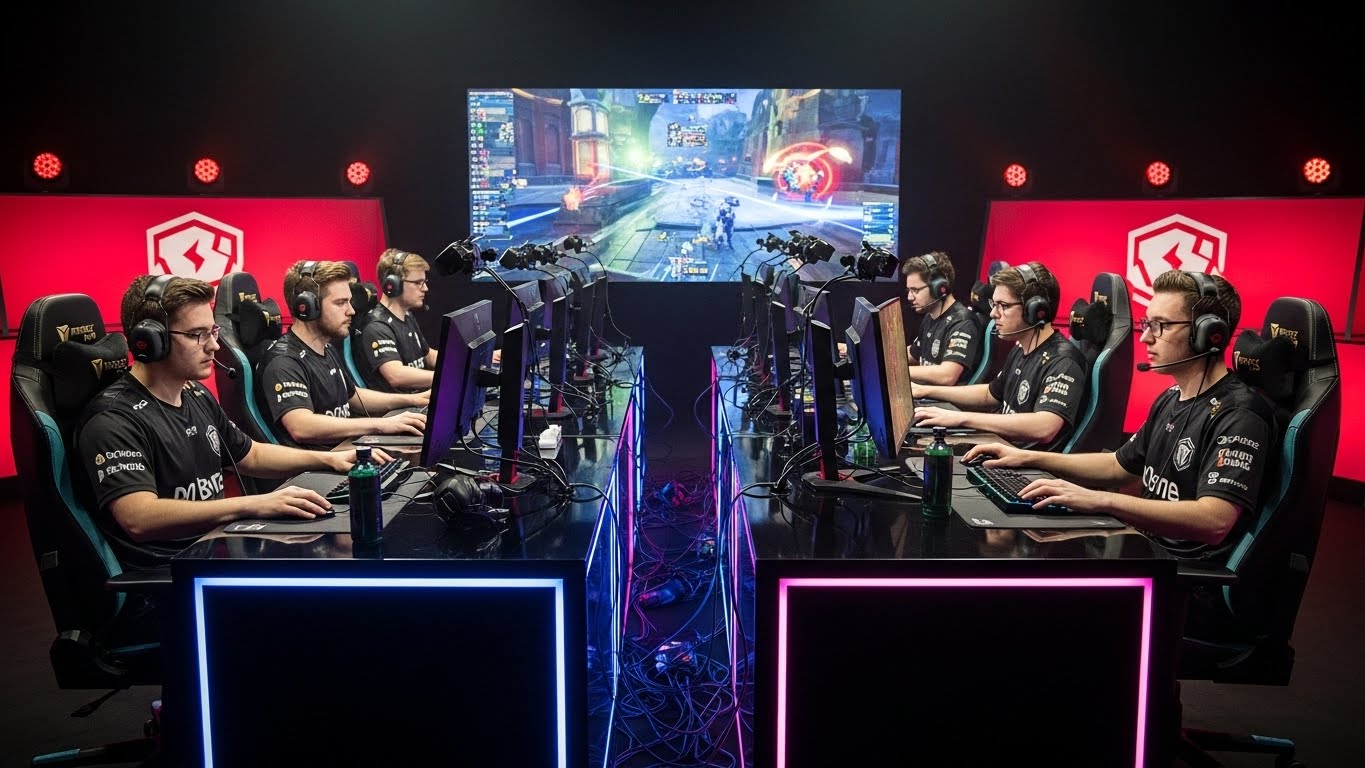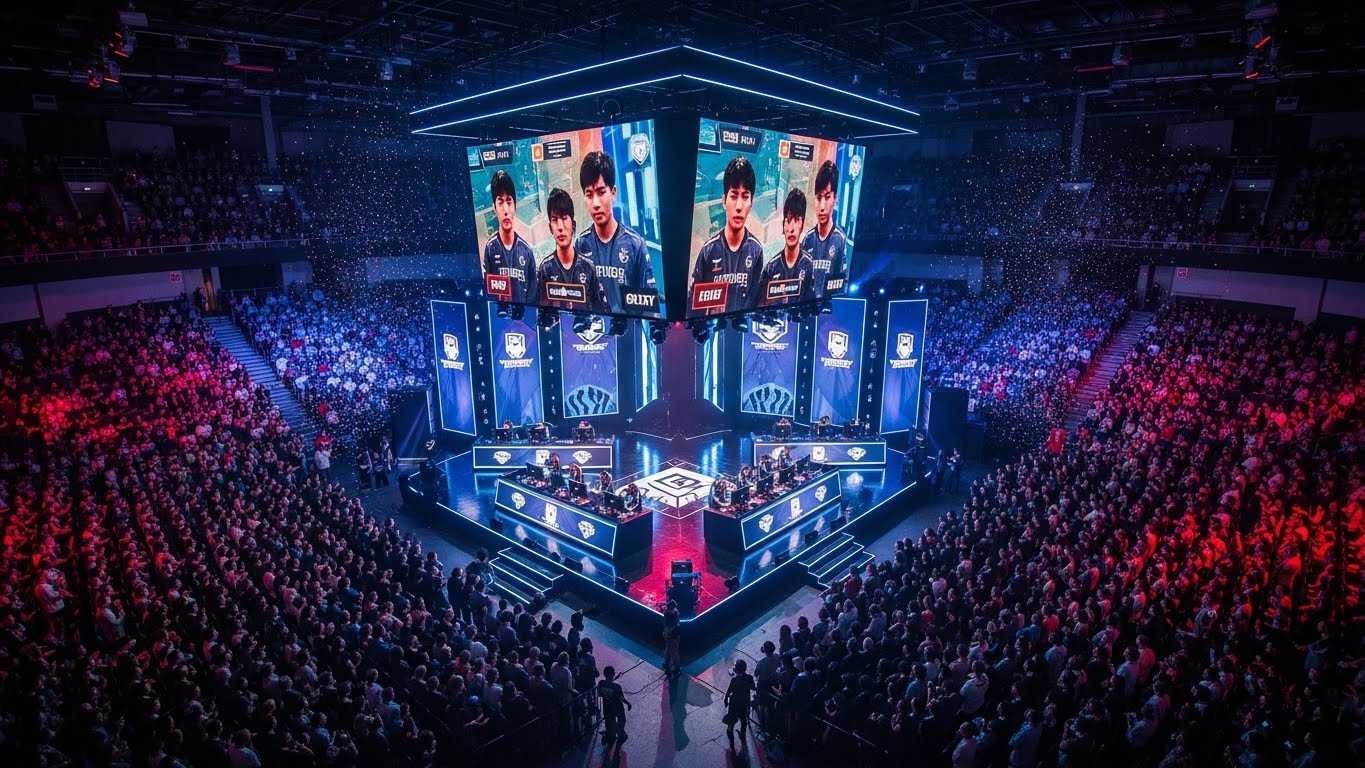
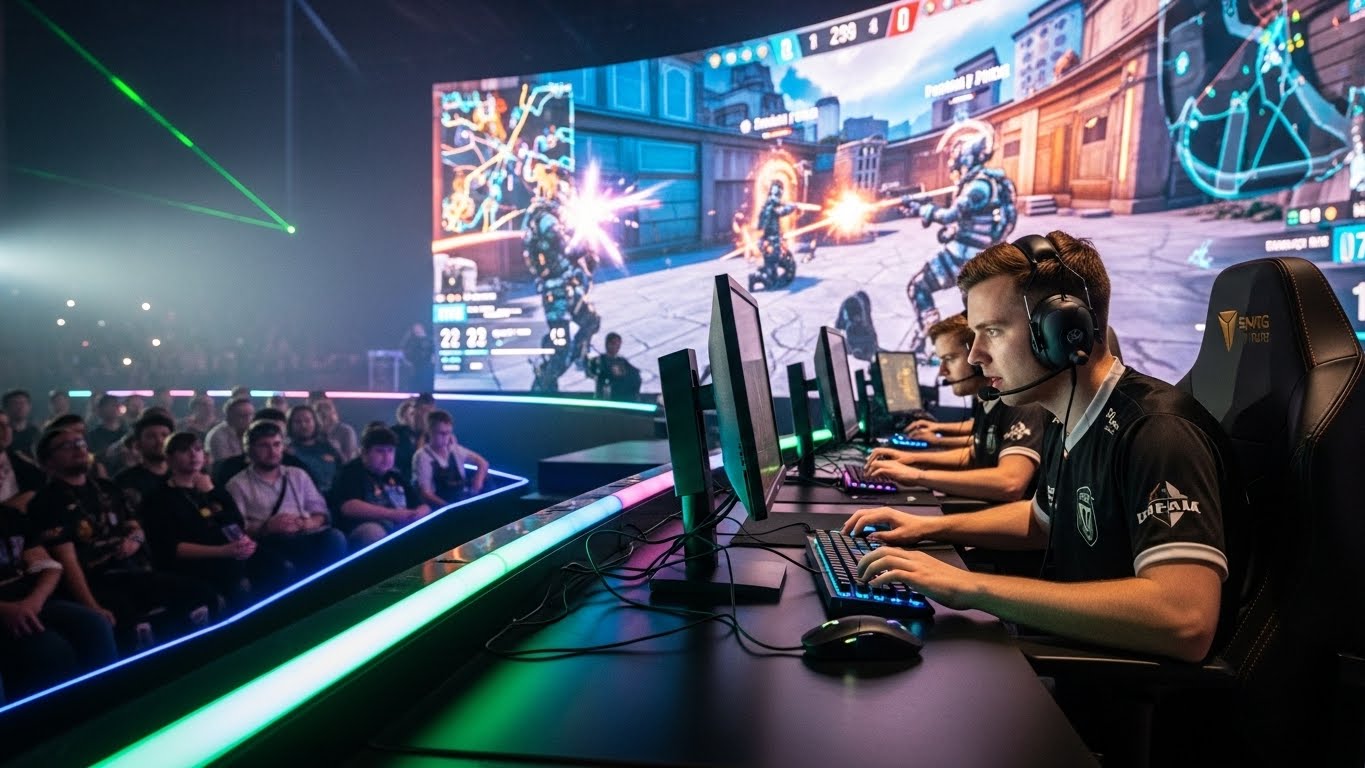
The world of competitive gaming, popularly known as esports, has grown from a niche hobby into a global phenomenon. What was once seen as a pastime for enthusiasts is now a multi-billion-dollar industry, attracting millions of viewers, professional players, and corporate investments. Esports is more than just playing video games; it represents a fusion of technology, strategy, teamwork, and entertainment. This blog explores the evolution of esports, its cultural and economic impact, the challenges it faces, and its promising future.
The Origins of Esports
Esports traces its roots back to the early days of video gaming. In the 1970s and 1980s, games like Pong and Space Invaders laid the foundation for competitive gaming, primarily in arcades and small tournaments. The 1990s introduced networked multiplayer games such as Doom and Quake, which allowed players to compete over local networks and, eventually, the internet. These developments set the stage for larger-scale competitions and the rise of gaming communities.
By the early 2000s, esports started gaining professional recognition, especially with games like StarCraft in South Korea. South Korea became a pioneer, with televised competitions and professional leagues that treated gaming as a legitimate career path. Since then, esports has expanded worldwide, embracing games across genres such as first-person shooters, strategy games, battle royales, and sports simulations.
The Popularity of Esports
The popularity of esports is driven by multiple factors. First, the accessibility of video games allows players of all ages and skill levels to participate. Unlike traditional sports, esports does not require expensive physical infrastructure or intense physical training. A computer, console, or smartphone, combined with an internet connection, is often enough to enter the competitive scene.
Second, esports thrives on engagement and community. Streaming platforms, tournaments, and social media have created a culture where players and fans interact in real time. Live commentary, fan art, and online discussions create a shared experience that strengthens community bonds. Unlike traditional sports, esports can break geographic barriers, allowing global fanbases to converge digitally.
Finally, esports appeals to younger audiences who are increasingly invested in digital entertainment. The rise of influencers, content creators, and professional gamers has made esports aspirational, motivating viewers to follow careers in gaming, streaming, or game development.
Esports as a Profession
Professional esports has evolved into a legitimate career for many skilled players. Organizations, teams, and sponsors provide salaries, contracts, and training facilities for top-tier competitors. Unlike casual gaming, professional esports requires discipline, practice, and strategic thinking. Players often dedicate eight to twelve hours a day to honing their skills, studying opponents, and refining strategies.
Esports also offers career opportunities beyond playing. Coaches, analysts, commentators, and event organizers form an ecosystem that sustains the industry. Marketing professionals, content creators, and broadcasters contribute to the visibility and commercial success of esports. This professionalization reflects a paradigm shift where competitive gaming is recognized not just as entertainment but as a viable livelihood.
The Psychological and Cognitive Impact of Esports
Esports demands high levels of cognitive ability, strategic thinking, and quick decision-making. Players must process vast amounts of information, anticipate opponents’ moves, and react in fractions of a second. Studies suggest that competitive gaming can improve cognitive functions such as problem-solving, multitasking, and spatial awareness.
However, esports also presents psychological challenges. The intense pressure to perform, long practice hours, and public scrutiny can lead to stress, burnout, and anxiety. Professional organizations now increasingly focus on mental health, integrating psychologists and wellness programs to support players. Balancing physical health, nutrition, and mental resilience has become as critical as in traditional sports.
The Economic Impact of Esports
Esports is now a multi-billion-dollar industry with diverse revenue streams. Sponsorships, media rights, merchandise, ticket sales, and digital streaming contribute to the financial growth of the sector. Major tournaments like the League of Legends World Championship or Dota 2’s The International offer prize pools that rival traditional sporting events, sometimes reaching tens of millions of dollars.
The economic impact of esports extends beyond players and tournaments. Game developers, hardware manufacturers, advertisers, and media companies benefit from the booming industry. Countries are investing in esports infrastructure, such as arenas and training facilities, to attract global events and tourism. This economic ecosystem demonstrates how digital entertainment can drive substantial financial growth.
Esports and Global Culture
Esports is a cultural force that transcends national boundaries. Unlike traditional sports tied to specific regions or countries, esports unites players and fans worldwide through online platforms. International tournaments attract millions of viewers from diverse backgrounds, fostering a sense of global community. Esports also influences fashion, music, and lifestyle, with gamers and streamers setting trends and inspiring fan communities.
Cultural diversity in esports is evident in game preferences, play styles, and strategies. For instance, South Korean gamers are renowned for precision and discipline, while Western players often prioritize creativity and adaptability. This interplay of cultures enriches the global esports scene, making it a unique platform for cross-cultural interaction.
Technology and Innovation in Esports
Technology is at the heart of esports. Game design, graphics, and online infrastructure enable competitive gaming to thrive. Streaming platforms and social media have revolutionized audience engagement, allowing fans to follow live matches, interact with players, and participate in digital communities.
Advancements in artificial intelligence, virtual reality, and augmented reality are shaping the future of esports. AI-powered training tools help players analyze performance and improve strategies. VR and AR technologies create immersive experiences for both players and spectators, blurring the line between physical and digital arenas. Technological innovation ensures that esports will continue evolving as a dynamic and interactive form of entertainment.
Esports in Education
Educational institutions are beginning to recognize the value of esports as a tool for learning and personal development. Universities and high schools offer scholarships for talented players, integrating esports into academic programs. Esports encourages teamwork, critical thinking, and time management skills, complementing traditional education.
Additionally, esports programs promote inclusivity, allowing students from diverse backgrounds to participate. Schools are creating dedicated esports labs and clubs to foster interest in technology, game design, and digital literacy. By integrating esports into education, institutions are preparing students for future careers in a rapidly growing industry.
Challenges Facing Esports
Despite its rapid growth, esports faces several challenges. Player health and well-being remain critical concerns due to long hours of practice and sedentary lifestyles. Regulatory issues, including contract disputes, doping, and age restrictions, require careful management. Furthermore, the perception of gaming as a serious profession still faces skepticism in some regions, limiting broader acceptance.
Esports also struggles with diversity and representation. While progress is being made, female players and marginalized groups are often underrepresented. Organizations are working to promote inclusivity, mentorship, and equal opportunities to ensure a balanced and fair competitive environment.
The Future of Esports
The future of esports looks promising, with continued expansion and innovation on the horizon. Emerging technologies, global sponsorships, and increasing mainstream acceptance will drive growth. Esports may further integrate with traditional sports, education, and entertainment industries, creating hybrid experiences that appeal to wider audiences.
Accessibility will remain a focus, with mobile gaming, cloud gaming, and VR platforms enabling more people to participate. Mental health support, professional training, and structured leagues will ensure sustainability and long-term success. As esports evolves, it will continue to redefine competition, entertainment, and the digital culture of the 21st century.
Conclusion
Esports is no longer just a niche hobby; it is a global movement that combines skill, strategy, technology, and entertainment. From its early origins in arcades to massive international tournaments, esports has grown into a cultural, economic, and professional powerhouse. It challenges traditional perceptions of competition, promotes cognitive and social development, and offers new career opportunities.
The digital arena of esports continues to inspire millions, fostering community, creativity, and innovation. Whether as a player, fan, or industry professional, engaging with esports provides a unique glimpse into the future of entertainment and competition. As technology advances and global interest grows, esports will undoubtedly continue to shape the way we play, watch, and experience games for generations to come.