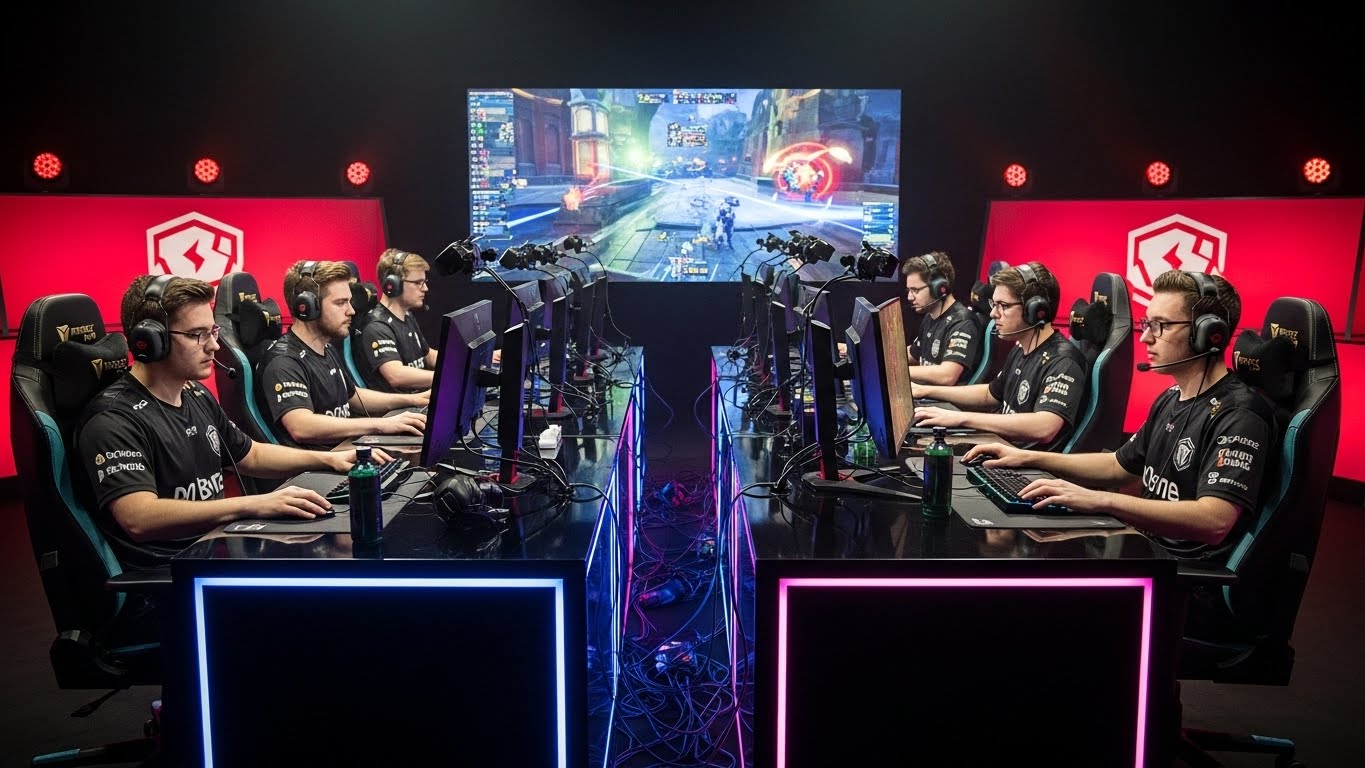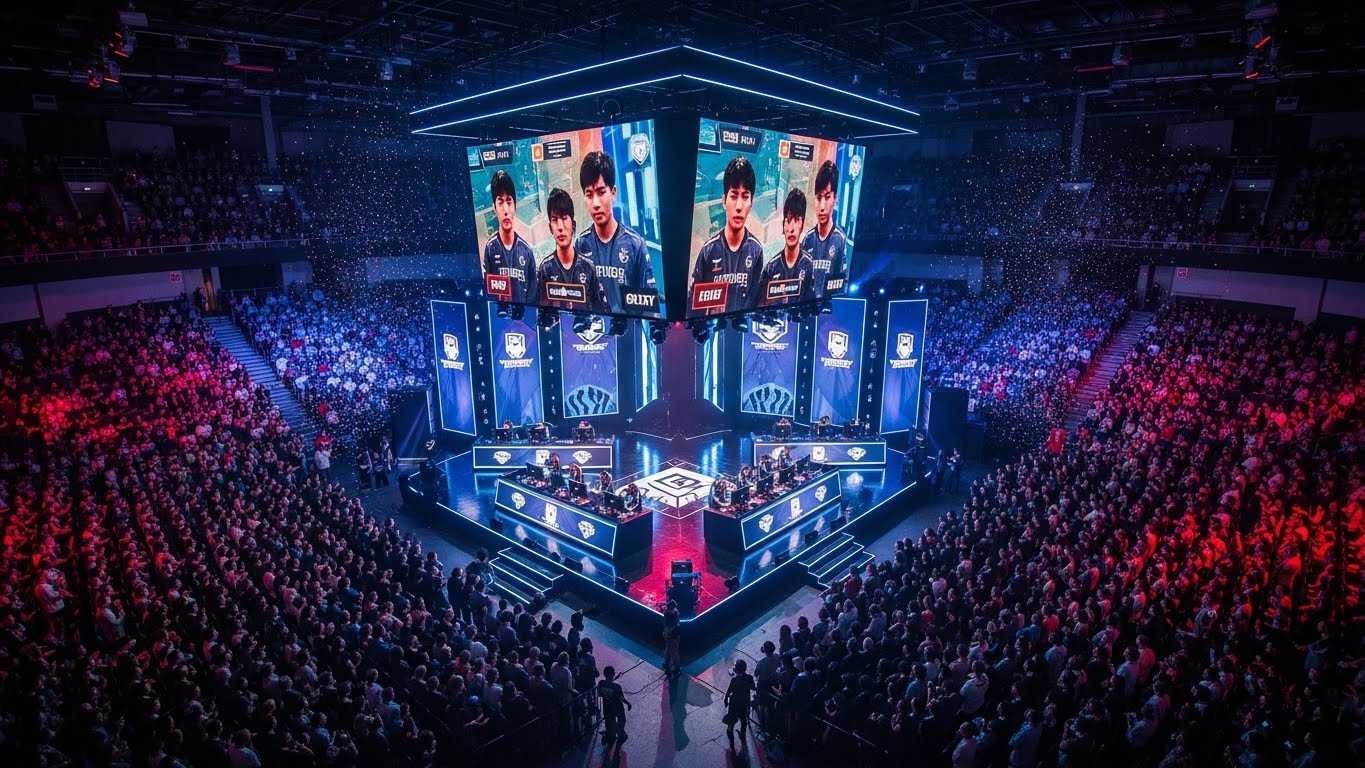

Esports has emerged as one of the most powerful forces in modern entertainment and competition. What began as casual video game contests among friends has transformed into a professional industry watched by millions around the world. Stadiums fill with cheering fans, players train with discipline and focus, and tournaments offer prestige and life-changing rewards. Esports is no longer just about gaming; it represents a new era of skill, strategy, and digital athleticism. This blog explores the journey of esports, its influence on society, and why it has become a defining element of contemporary culture.
The Early Foundations of Esports
The origins of esports can be traced back to the earliest days of video gaming. In the late twentieth century, players gathered in arcades to compete for high scores, often drawing small crowds of spectators. These early competitions were informal but passionate, fueled by curiosity and a desire to prove skill.
As home consoles and personal computers became more common, competitive gaming expanded beyond arcades. Multiplayer games introduced structured competition, allowing players to face each other directly. Local tournaments and community events began to form, planting the seeds for organized esports. These early foundations proved that gaming could be competitive, social, and entertaining all at once.
Defining Esports in the Modern Era
Esports, short for electronic sports, refers to organized competitive video gaming at a professional or semi-professional level. Unlike casual gaming, esports involves structured rules, rankings, leagues, and tournaments. Players specialize in specific games and roles, developing mastery through continuous practice and strategic study.
Modern esports includes a wide variety of genres, such as strategy-based games, first-person shooters, sports simulations, and battle arenas. Each genre demands different skills, from rapid reflexes to deep tactical planning. What unites them all is competition driven by skill, teamwork, and mental resilience.
The Professionalization of Competitive Gaming
One of the defining features of esports is its professional structure. Today, esports players sign contracts, join teams, and train under coaches and analysts. Practice schedules are intense, often lasting several hours a day. Teams review gameplay footage, analyze opponents, and refine strategies to maintain a competitive edge.
Professional esports organizations resemble traditional sports teams in many ways. They manage player health, branding, sponsorships, and performance goals. This level of organization has elevated esports from hobby status to a respected profession that demands dedication and discipline.
Global Growth and Audience Expansion
Esports has experienced explosive global growth. Millions of viewers tune in to watch tournaments, championships, and league matches. Fans follow their favorite teams and players with loyalty similar to traditional sports supporters. International competitions bring together players from different countries, showcasing diverse playstyles and cultures.
The global reach of esports is one of its greatest strengths. Digital platforms allow fans to watch events live from anywhere in the world. This accessibility has helped esports grow rapidly, reaching audiences that traditional sports may not always engage, particularly younger generations.
The Role of Streaming and Online Platforms
Streaming platforms have played a crucial role in esports’ success. They allow matches to be broadcast live, complete with commentary, analysis, and fan interaction. Viewers can engage in real time, sharing reactions and supporting players during competition.
Beyond tournaments, individual players stream practice sessions, casual gameplay, and behind-the-scenes moments. This transparency builds strong connections between players and fans, making esports more personal and interactive. Streaming has turned esports into a community-driven experience rather than a one-way form of entertainment.
Skill, Strategy, and Mental Strength
Esports requires a unique blend of physical coordination and mental agility. Players rely on precise hand-eye coordination, quick reaction times, and sustained focus. At the same time, they must think strategically, manage resources, and adapt to rapidly changing situations.
Mental strength is especially important. High-pressure matches demand calm decision-making and emotional control. Players must handle victories with humility and losses with resilience. This combination of skill and mindset highlights why esports competitors are often compared to traditional athletes.
Career Opportunities Beyond Playing
While professional players receive much of the attention, esports offers many career paths beyond competition. Coaches, analysts, commentators, event organizers, and content creators are essential to the industry. Technical roles such as production, graphic design, and software development also play a vital part.
Educational institutions are increasingly recognizing esports as a legitimate field. Programs focused on esports management, marketing, and technology prepare students for diverse careers. This growing ecosystem demonstrates that esports is not just a game but a broad professional landscape.
Esports and Youth Engagement
Esports has a strong connection with younger audiences. Many young people see competitive gaming as both entertainment and inspiration. School and university esports clubs provide opportunities for teamwork, leadership, and skill development.
Participation in esports helps develop valuable abilities such as communication, problem-solving, and time management. Players learn to work toward shared goals and handle competitive pressure. These skills translate well into academic and professional environments, making esports a meaningful activity beyond the screen.
Diversity and Inclusion in Esports
The esports industry continues to work toward greater inclusivity. While challenges remain, progress is visible through increased representation and awareness. Efforts to create respectful, welcoming environments are shaping a healthier community.
Diversity strengthens esports by encouraging new ideas, perspectives, and playstyles. As more voices are included, the industry becomes more innovative and resilient. A diverse esports community ensures that talent and dedication, rather than background, define success.
Health and Well-Being in Competitive Gaming
As esports has matured, player well-being has become a growing focus. Long hours of practice can lead to physical strain and mental fatigue if not managed properly. Professional teams now emphasize balanced routines that include physical exercise, proper rest, and mental health support.
Ergonomics, nutrition, and mindfulness are increasingly integrated into training programs. These practices help players maintain peak performance while reducing the risk of burnout. This evolving approach reflects esports’ commitment to sustainability and professionalism.
Esports as a Cultural Movement
Esports has become a powerful cultural force. Fans create artwork, celebrate iconic moments, and build communities around shared passion. Esports events feature storytelling, rivalries, and emotional moments that resonate deeply with audiences.
Players often become role models, admired for their dedication and skill. Their journeys inspire others to pursue improvement and perseverance. Esports culture blends competition with creativity, making it a vibrant part of modern digital life.
Technology Driving Competitive Innovation
Technology is at the heart of esports. Advances in hardware, software, and connectivity have enabled smoother gameplay, better viewing experiences, and deeper analysis. Performance tracking tools help teams refine strategies and understand player strengths.
As technology continues to evolve, esports will benefit from greater immersion and innovation. Enhanced visuals, improved communication tools, and smarter analytics will further elevate competitive play and audience engagement.
The Future of Esports
The future of esports is filled with promise. New games, regions, and formats continue to emerge, expanding the competitive landscape. As mainstream recognition grows, esports is increasingly featured alongside traditional sports in media and education.
Sustainability, integrity, and player development will shape the next phase of growth. With responsible innovation and community support, esports has the potential to remain a dominant force in global entertainment for decades to come.
Lessons Learned Through Esports
Esports teaches lessons that extend beyond competition. Players learn discipline, adaptability, teamwork, and resilience. They experience the value of preparation and the importance of learning from failure.
For fans and participants alike, esports demonstrates that success is built through effort and collaboration. It shows how digital spaces can foster meaningful connections and shared achievements, reinforcing the human side of technology-driven competition.
Conclusion
Esports has transformed from a niche activity into a global competitive phenomenon that influences culture, careers, and community. It combines skill, strategy, and passion in a digital arena that connects people across the world.
More than just gaming, esports represents the evolution of competition in the digital age. As it continues to grow, it will inspire new generations to pursue excellence, embrace teamwork, and redefine what it means to compete. Esports is not the future of sports; it is the present, and its impact is only beginning.