Introduction: The Digital Arena Comes of Age
Esports, once considered a niche hobby for a small group of passionate gamers, has evolved into a global phenomenon that rivals traditional sports in scale, influence, and professionalism. Stadiums filled with cheering fans, multimillion-dollar prize pools, celebrity players, and worldwide broadcasts are no longer exceptions but defining features of competitive gaming. Esports is not just about playing video games; it represents a shift in how competition, entertainment, and community are experienced in the digital age.
This blog explores the rise of esports, its structure, cultural impact, economic power, career opportunities, and the challenges it faces as it continues to grow. Far from being a passing trend, esports is shaping the future of sport and digital culture.
The Evolution of Esports: From Bedrooms to Stadiums
The roots of esports can be traced back to the early days of video gaming, when players competed locally in arcades or small community tournaments. What began as informal competitions gradually became organized events as internet connectivity allowed players to face opponents from around the world. The development of online multiplayer games marked a turning point, enabling skill-based competition on a global scale.
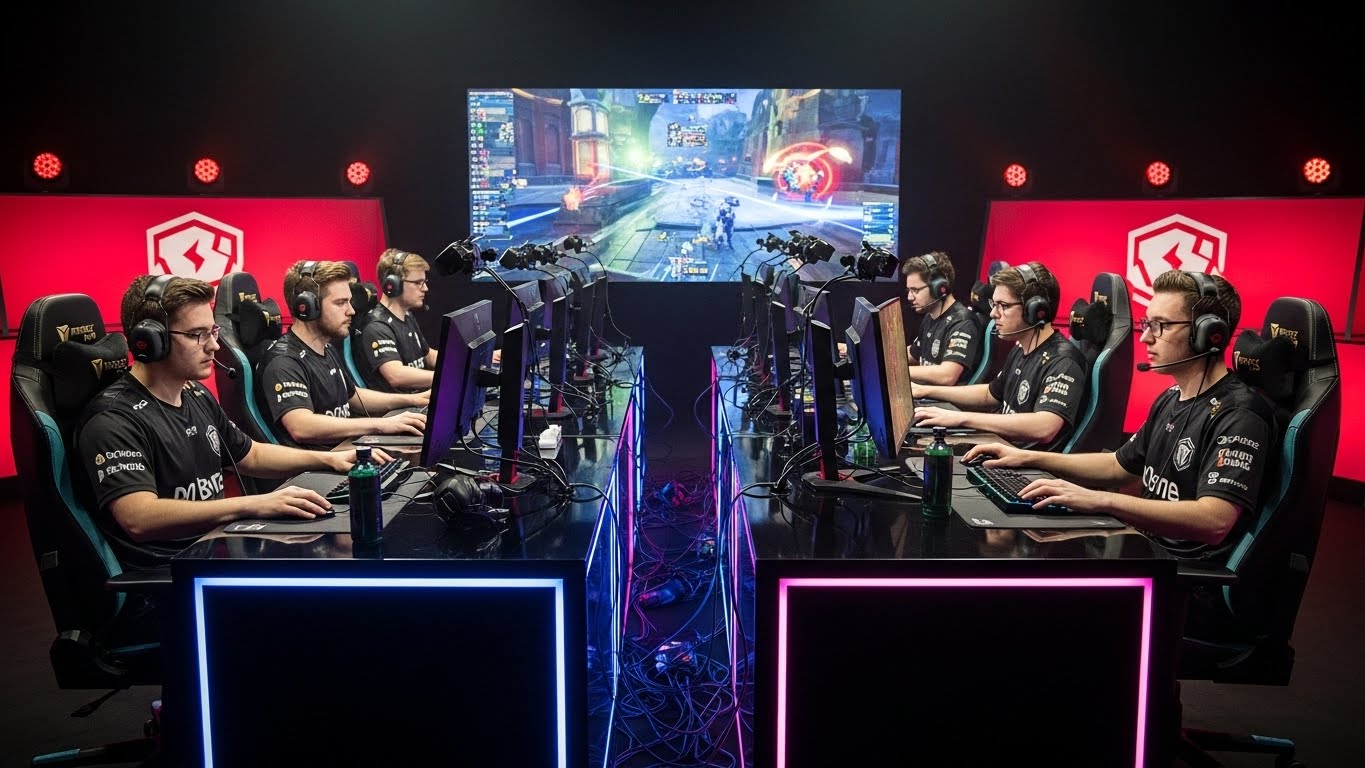
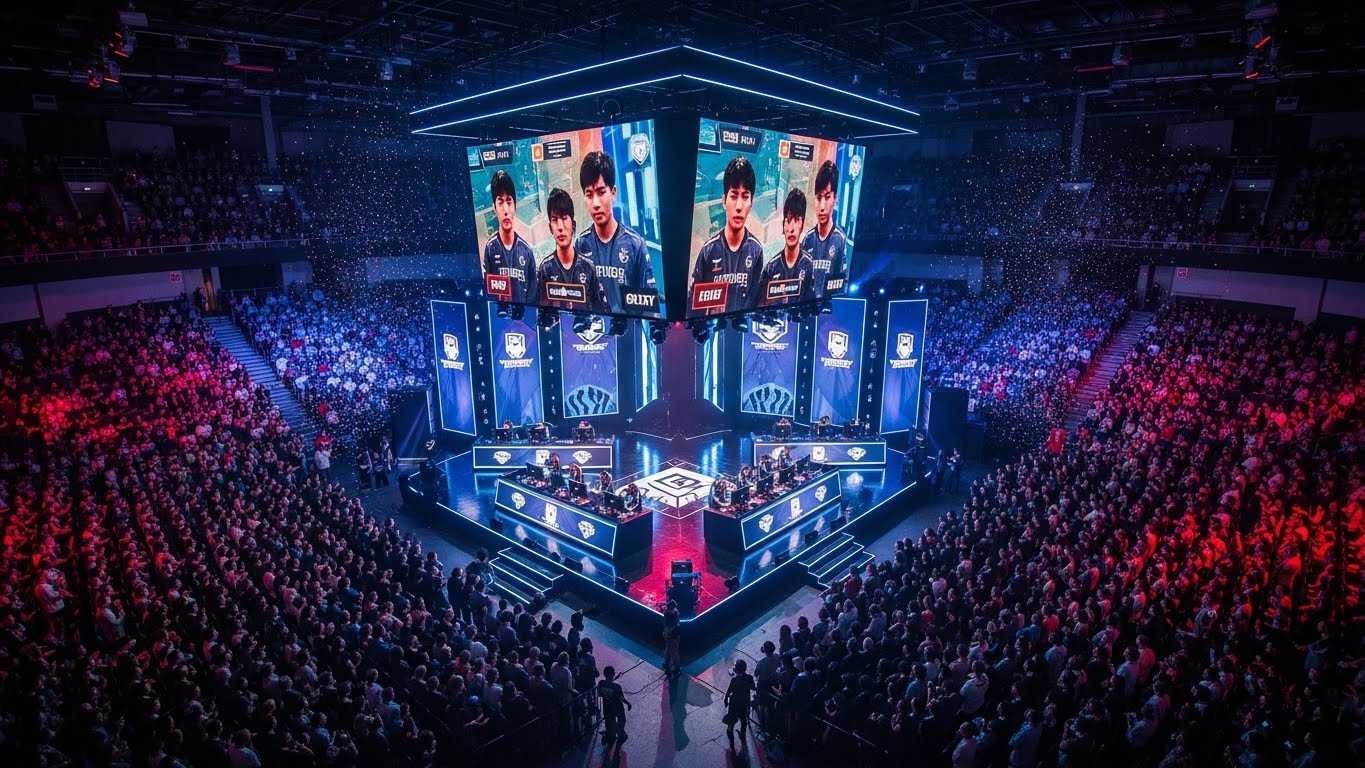
Over time, tournaments became more structured, teams formed professional organizations, and governing bodies emerged to regulate rules and formats. What was once played in bedrooms and internet cafes moved into large arenas, complete with professional lighting, commentary, and production crews. Today, major esports events can fill stadiums and attract millions of online viewers, signaling how far the industry has come.
Understanding Esports: More Than Just Gaming
At its core, esports refers to organized, competitive video gaming, usually involving professional players or teams competing in tournaments or leagues. These competitions require intense training, strategic thinking, teamwork, and quick decision-making. Contrary to common misconceptions, success in esports is not based on casual play but on disciplined practice and refined skills.
Different games form the foundation of esports, each with its own mechanics, strategies, and fan base. Some focus on teamwork and tactics, others on individual skill and reflexes. What unites them is the competitive structure, professional standards, and spectator appeal. Esports mirrors traditional sports in many ways, including coaching, analytics, scouting, and fan engagement.
The Global Popularity and Cultural Impact
Esports has transcended borders, languages, and cultures, becoming a truly global form of entertainment. Players from different countries compete on the same virtual battlefield, and fans from around the world tune in to support their favorite teams. This international nature has fostered a unique cultural exchange, where diverse communities connect through shared passion.
The influence of esports extends beyond competition. It has reshaped how younger generations consume entertainment, favoring interactive and digital experiences over traditional formats. Esports stars have become influencers, role models, and celebrities, shaping trends in fashion, language, and online culture. The community-driven nature of esports also encourages participation, allowing fans to feel closely connected to players and events.
The Business of Esports: An Expanding Economy
Behind the excitement of matches and tournaments lies a rapidly growing industry. Esports generates revenue through sponsorships, advertising, merchandise, ticket sales, and media rights. Brands from technology, fashion, food, and even finance have entered the space, recognizing the value of reaching a young, engaged audience.
Professional teams operate as businesses, with management staff, marketing departments, and long-term strategies. Tournament organizers invest heavily in production quality, ensuring broadcasts rival those of traditional sports. This economic ecosystem supports thousands of jobs worldwide and continues to attract investors who see esports as a long-term opportunity rather than a short-lived trend.
Career Opportunities Beyond the Player Role
While professional players often receive the most attention, they represent only a small fraction of careers within esports. The industry offers opportunities in coaching, team management, event organization, broadcasting, content creation, marketing, game analysis, and technology development. Each role contributes to the success and sustainability of the ecosystem.
Players themselves face intense competition and short career spans, making support roles increasingly important. Coaches analyze gameplay and develop strategies, analysts break down data to gain competitive advantages, and broadcasters bring matches to life for audiences. For those passionate about gaming but not professional play, esports provides a wide range of viable career paths.
Training, Discipline, and Mental Strength
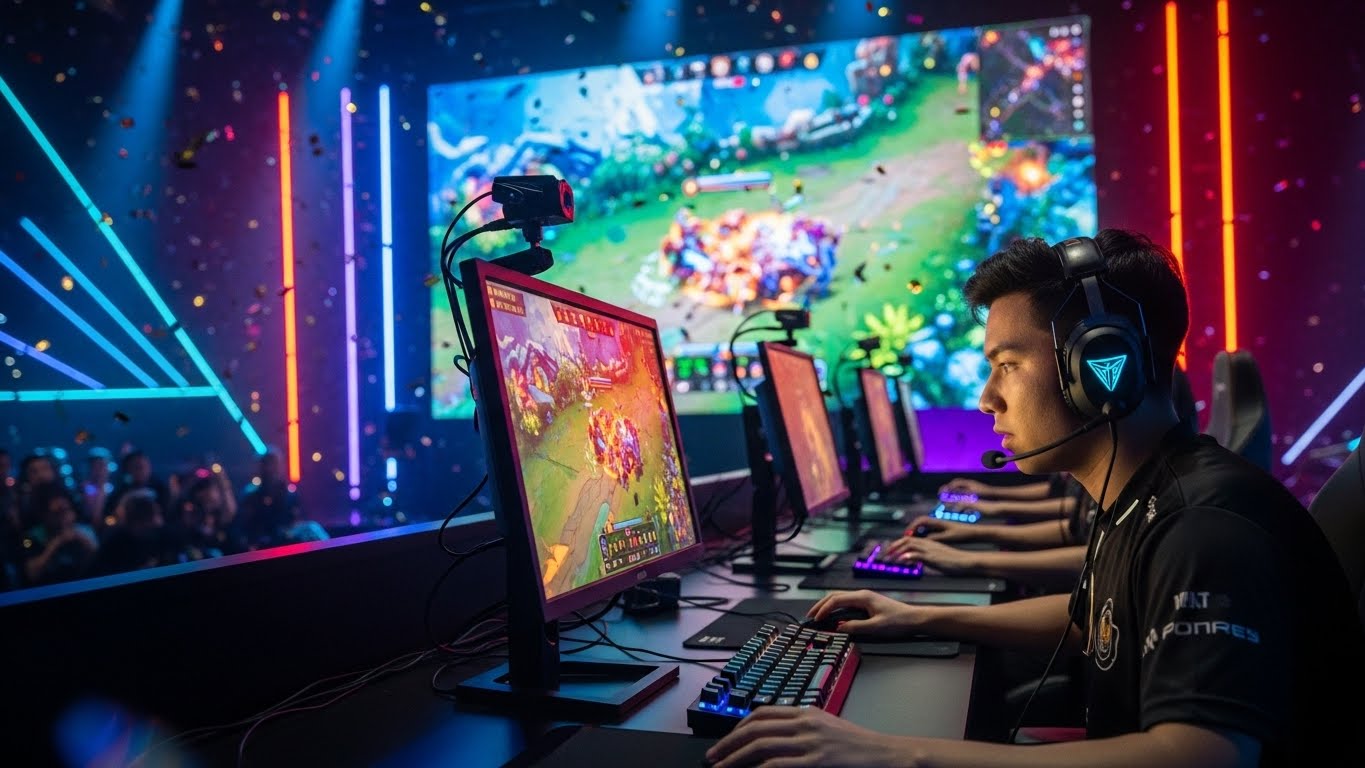
Becoming a professional esports athlete requires dedication comparable to traditional sports. Players often train for many hours a day, refining mechanical skills, learning strategies, and studying opponents. Team coordination and communication are critical, especially in games that rely heavily on cooperation.
Mental resilience is just as important as physical ability. High-pressure matches, public scrutiny, and the constant need to perform can take a toll on players. As a result, many teams now focus on mental health, incorporating sports psychologists, structured schedules, and wellness programs. This growing awareness highlights the maturity of the esports industry and its commitment to long-term player well-being.
Esports and Education: Changing Perceptions
Educational institutions are increasingly recognizing esports as a legitimate field of study and competition. Schools and universities around the world have introduced esports programs, offering scholarships, dedicated facilities, and academic courses related to gaming, media, and digital business. These initiatives help legitimize esports in the eyes of parents and educators who once viewed gaming solely as a distraction.
By integrating esports into education, institutions teach valuable skills such as teamwork, leadership, problem-solving, and digital literacy. Students learn that gaming can be more than entertainment; it can be a pathway to careers in technology, media, and management.
Challenges Facing the Esports Industry
Despite its success, esports faces several challenges that must be addressed for sustainable growth. Issues such as player burnout, lack of standardized governance, and inconsistent regulations across regions remain significant concerns. The rapid pace of change in games and technology can also make long-term planning difficult for teams and organizers.
Additionally, inclusivity and diversity continue to be areas needing improvement. While esports is global, barriers related to gender, access to resources, and online toxicity persist. Addressing these challenges requires collaboration between developers, organizations, and communities to create a healthier and more inclusive environment.
The Future of Esports: What Lies Ahead
The future of esports appears promising, driven by technological advancements and expanding audiences. Innovations such as virtual reality, augmented reality, and improved streaming technologies may further transform how competitions are played and watched. As infrastructure improves worldwide, more regions will gain access to competitive gaming, broadening the talent pool and fan base.
Esports may also continue to intersect with traditional sports, entertainment, and media, creating hybrid experiences that blur the lines between physical and digital competition. As acceptance grows, esports is likely to become an even more established part of mainstream culture.
Conclusion: A New Era of Competition
Esports represents more than a new form of sport; it symbolizes a shift in how society views competition, creativity, and community in a digital world. What began as a pastime has grown into a global industry with cultural, economic, and educational significance. As esports continues to evolve, it challenges traditional definitions of sport and opens new possibilities for participation and connection.
In embracing esports, we are not just watching games on a screen; we are witnessing the emergence of a new era where skill, strategy, and passion thrive in virtual arenas. The story of esports is still being written, and its impact on the future of entertainment and competition is only just beginning.