Sports are more than just games played on fields, courts, or tracks. They are a universal language, a source of inspiration, and a powerful tool that shapes individuals and societies alike. From the thrill of competition to the lessons learned from teamwork and perseverance, sports influence personal growth, cultural identity, and social connections. Whether it is a child learning the basics of a team sport or professional athletes performing on a global stage, sports leave a lasting impact that goes far beyond physical activity.
In this blog, we explore the evolution of sports, their cultural and social significance, the impact on health and education, and the future of athletic competition in a rapidly changing world.
The Historical Evolution of Sports
Sports have existed for thousands of years, dating back to ancient civilizations where physical competitions were a central part of life. Ancient Greeks organized the Olympic Games to honor their gods, promoting physical fitness, skill, and unity. Similarly, ancient Egyptians and Chinese societies practiced wrestling, archery, and other athletic contests as part of cultural and military traditions.
The evolution of sports over centuries has been influenced by technological advances, societal changes, and globalization. What began as informal competitions evolved into structured games with standardized rules, organized leagues, and international tournaments. Today, sports are an integral part of global culture, celebrated and followed by millions across the world.
The Role of Sports in Personal Development
Participating in sports offers far more than physical exercise. It builds character, teaches resilience, and fosters essential life skills. Athletes learn how to set goals, develop discipline, and maintain focus in the face of challenges. Team sports, in particular, emphasize communication, cooperation, and empathy, helping individuals understand the value of working toward a common goal.
Sports also teach important lessons in handling success and failure. Experiencing victory instills confidence and pride, while facing defeat encourages reflection, perseverance, and improvement. These lessons extend beyond the playing field, helping individuals navigate challenges in personal and professional life.
Physical Health Benefits of Sports
Engaging in sports provides numerous physical health benefits. Regular participation strengthens muscles, improves cardiovascular health, enhances flexibility, and boosts endurance. Sports also help maintain a healthy weight, increase energy levels, and reduce the risk of chronic illnesses such as heart disease and diabetes.
Beyond physical health, sports contribute to mental well-being. Physical activity releases endorphins, reducing stress, anxiety, and depression. Sports encourage an active lifestyle that supports overall health, making them an essential component of personal wellness.
Mental and Emotional Benefits
Sports are not only good for the body but also for the mind. They promote critical thinking, strategic planning, and decision-making. Athletes learn how to analyze situations quickly, adapt to changing circumstances, and anticipate opponents’ moves. These cognitive skills are valuable in everyday life, from problem-solving at work to managing personal responsibilities.
Emotionally, sports foster self-confidence, resilience, and a sense of accomplishment. They provide an outlet for energy, frustration, and stress while encouraging positive social interactions and relationships. Engaging in sports creates a balanced mental and emotional state that supports overall well-being.
The Rise of Professional Sports
Professional sports have become a major part of global entertainment, with athletes achieving celebrity status and inspiring millions. Leagues and tournaments attract large audiences, generate substantial revenue, and create opportunities for individuals to pursue sports as a career.
Professional athletes dedicate countless hours to training, nutrition, and mental conditioning. Their achievements demonstrate what is possible through dedication, perseverance, and hard work. The visibility of professional sports also encourages youth participation, inspiring the next generation of athletes to strive for excellence.
Sports as a Catalyst for Community and Unity
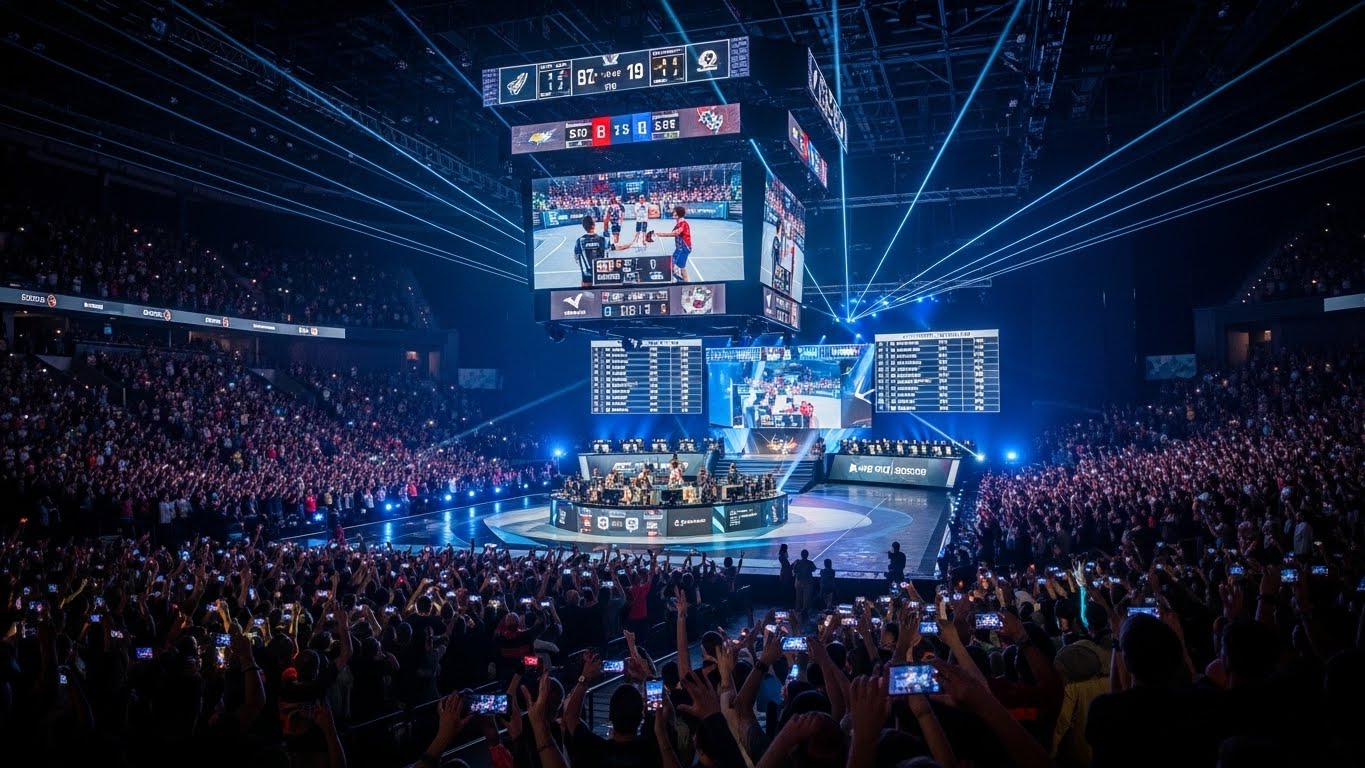
One of the most remarkable aspects of sports is its ability to bring people together. Fans rally behind local teams, celebrate victories, and share the emotional highs and lows of competition. Sporting events foster a sense of belonging, creating a shared identity among supporters.
Sports also transcend cultural, linguistic, and social barriers. Global events like the World Cup, the Olympics, and international championships unite millions of people, promoting cross-cultural understanding and mutual respect. In this way, sports serve as a universal bridge connecting communities worldwide.
Youth Sports and Education
Youth sports play a vital role in education and character building. Participating in sports helps children develop physical skills, teamwork, discipline, and leadership. Schools and universities often use sports programs to foster student growth and engagement, balancing athletic development with academic achievement.
Scholarships and educational opportunities in sports provide pathways for talented young athletes to pursue higher education while continuing to excel in their chosen sport. These programs instill a sense of responsibility, time management, and perseverance that benefits students throughout their lives.
Women in Sports: Breaking Barriers
The participation of women in sports has grown significantly, challenging traditional stereotypes and promoting gender equality. Female athletes now compete at professional levels, represent their countries on international stages, and inspire millions through their talent and dedication.
Women’s sports continue to gain recognition and investment, leading to professional leagues, sponsorships, and media coverage. The achievements of female athletes demonstrate the power of perseverance and provide role models for young girls worldwide, encouraging inclusivity and diversity in athletics.
The Economic Impact of Sports
Sports have a significant influence on the economy, creating jobs, driving tourism, and supporting industries such as merchandising, broadcasting, and event management. Major tournaments attract visitors, boost local businesses, and generate revenue through ticket sales and sponsorship deals.
The professional sports industry also provides opportunities for careers beyond athletes, including coaches, referees, analysts, marketers, and content creators. The economic impact of sports extends from local communities to global markets, illustrating the broad influence of athletic competition.
The Role of Technology in Modern Sports
Technology has transformed sports in multiple ways. Training methods have advanced through wearable devices, performance tracking, and data analysis. Video replay systems and analytics improve accuracy, strategy, and fairness in competition.
For fans, digital platforms provide live streaming, interactive content, and social engagement. Spectators can now follow games from anywhere in the world, enhancing accessibility and broadening the global fan base. Technology has made sports more engaging, inclusive, and immersive than ever before.
Sportsmanship and Ethics
Sportsmanship is central to maintaining integrity and fairness in competition. Respecting opponents, following rules, and playing with honor are essential qualities that define true athletes. Ethical behavior ensures that competition remains healthy, equitable, and inspiring.
Sports also teach humility and resilience, encouraging players to embrace both victory and defeat gracefully. These values extend beyond athletics, shaping personal character and social conduct.
Cultural Influence of Sports
Sports influence culture in profound ways. They inspire fashion trends, music, media, and art. Iconic athletes become cultural symbols, representing ideals such as perseverance, dedication, and excellence.
Sports also provide a platform for advocacy and social change. Athletes use their influence to address issues such as inequality, environmental awareness, and community development. The cultural impact of sports extends far beyond the playing field, shaping society and inspiring action.
Challenges in the World of Sports
Despite its benefits, the sports industry faces challenges. Injuries, mental health pressures, and ethical concerns such as doping or corruption can affect athletes and organizations. Access to sports is also unequal, with financial and social barriers limiting participation for some communities.
Addressing these challenges is essential to ensure that sports remain safe, inclusive, and fair. Programs that support mental wellness, equitable access, and ethical practices contribute to a healthier sporting environment for all participants.
The Future of Sports
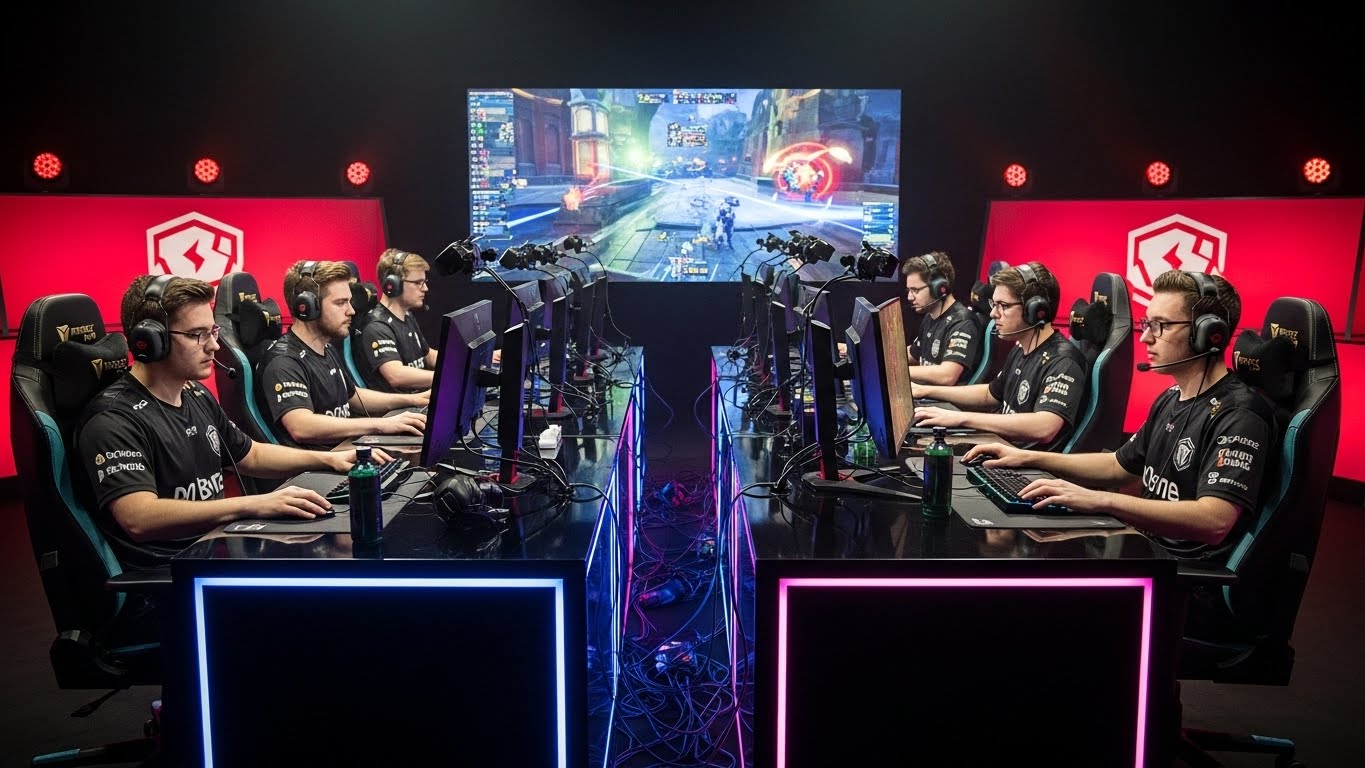
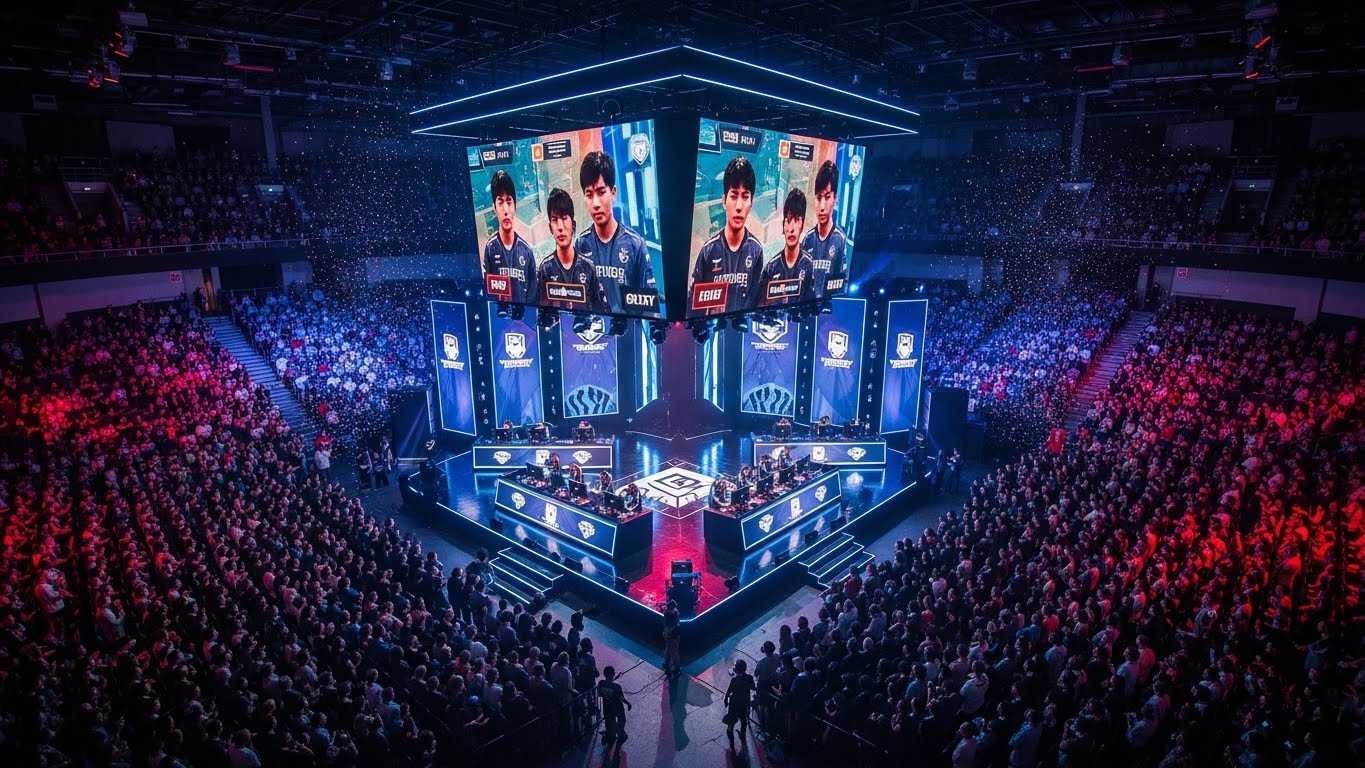
The future of sports is filled with innovation, inclusivity, and expansion. Virtual and augmented reality may create immersive training and viewing experiences. Digital competitions and esports will continue to grow alongside traditional sports, broadening the definition of athletic competition.
Sustainability and inclusivity will become increasingly important, with organizations striving to minimize environmental impact and ensure access for people of all abilities and backgrounds. Advances in technology, education, and global collaboration will continue to shape the evolution of sports for future generations.
Conclusion
Sports are a reflection of human spirit, creativity, and determination. They shape individuals, strengthen communities, and inspire generations to pursue excellence. From local youth leagues to global professional tournaments, sports influence health, culture, education, and the economy.
Participation in sports teaches resilience, teamwork, discipline, and ethical values, while professional athletes demonstrate what dedication and perseverance can achieve. Beyond entertainment, sports unify societies, promote inclusivity, and leave lasting cultural legacies.
As the world continues to evolve, sports will remain a vital force in human life, reminding us of the power of play, the value of perseverance, and the limitless potential of the human body and spirit. Whether on the field, in the stadium, or through digital platforms, sports continue to inspire, connect, and transform lives.