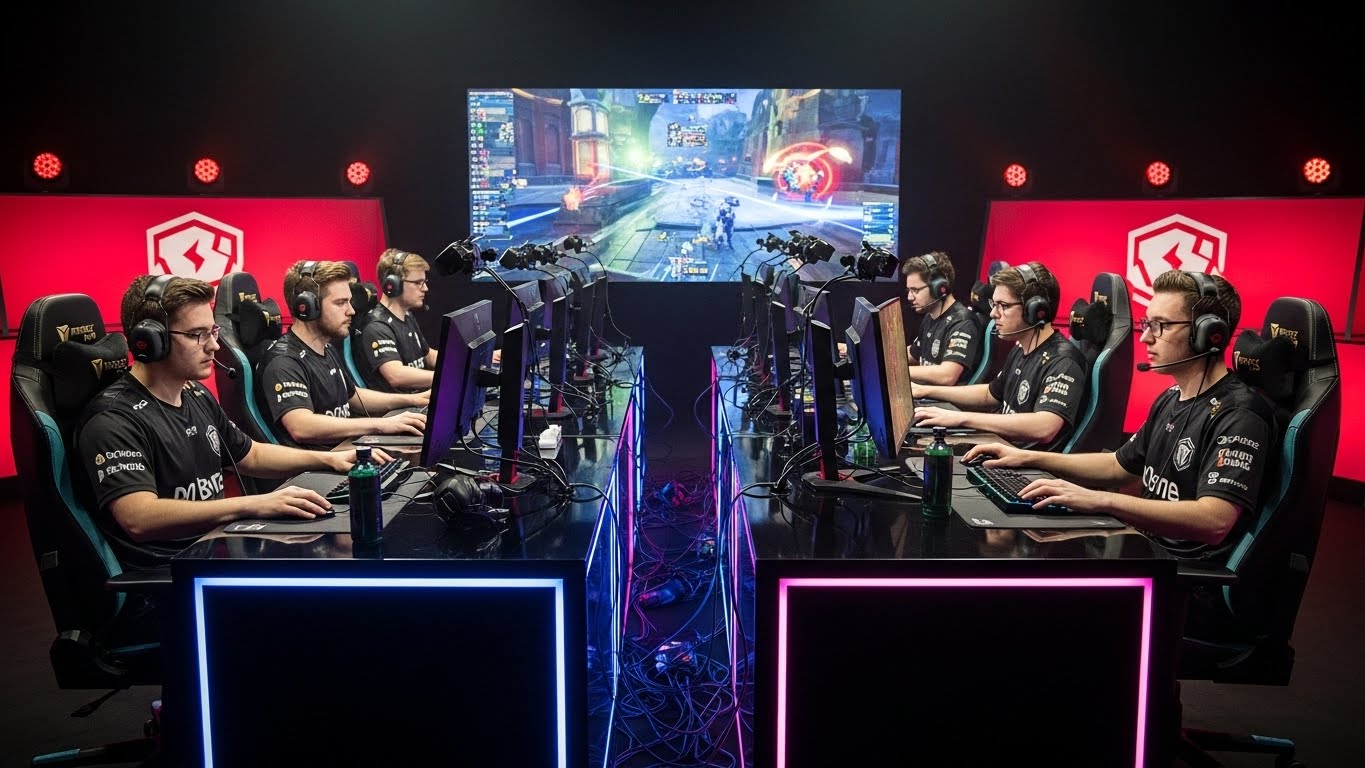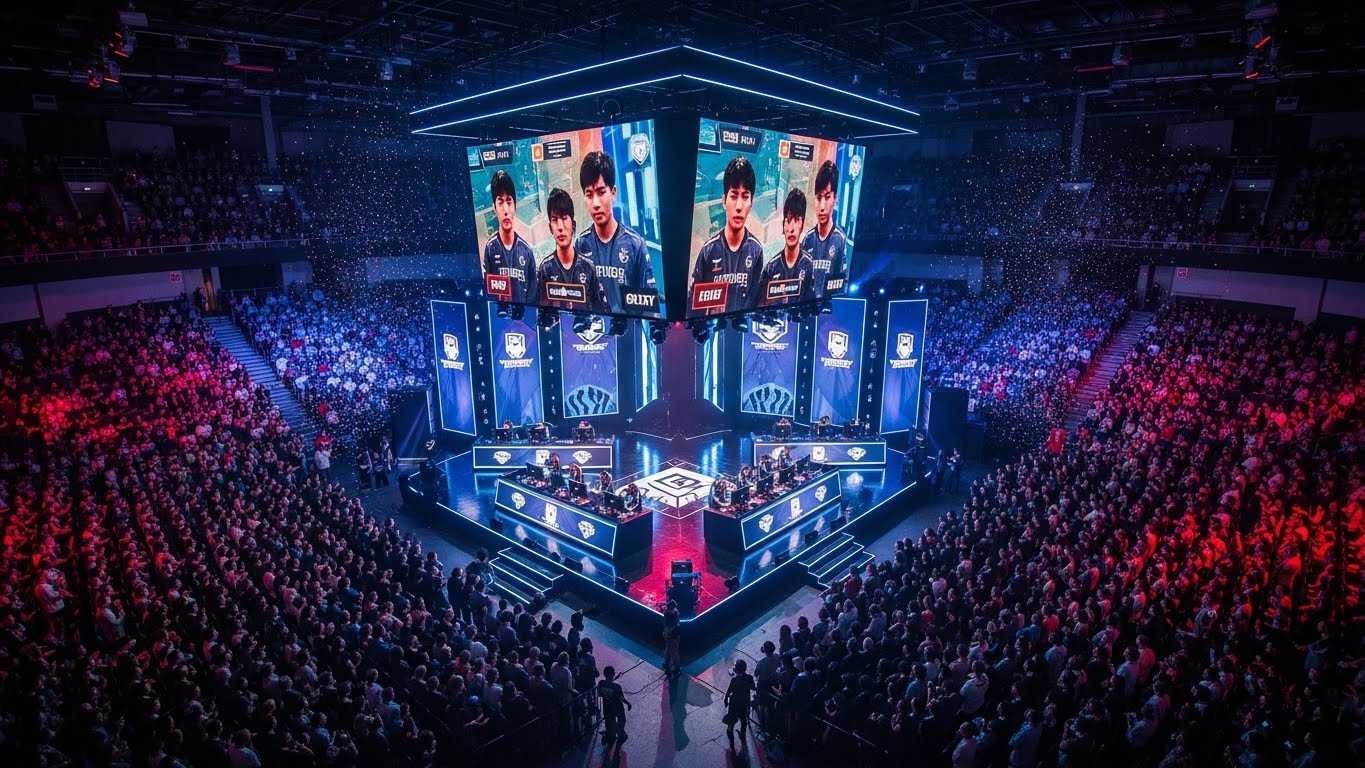
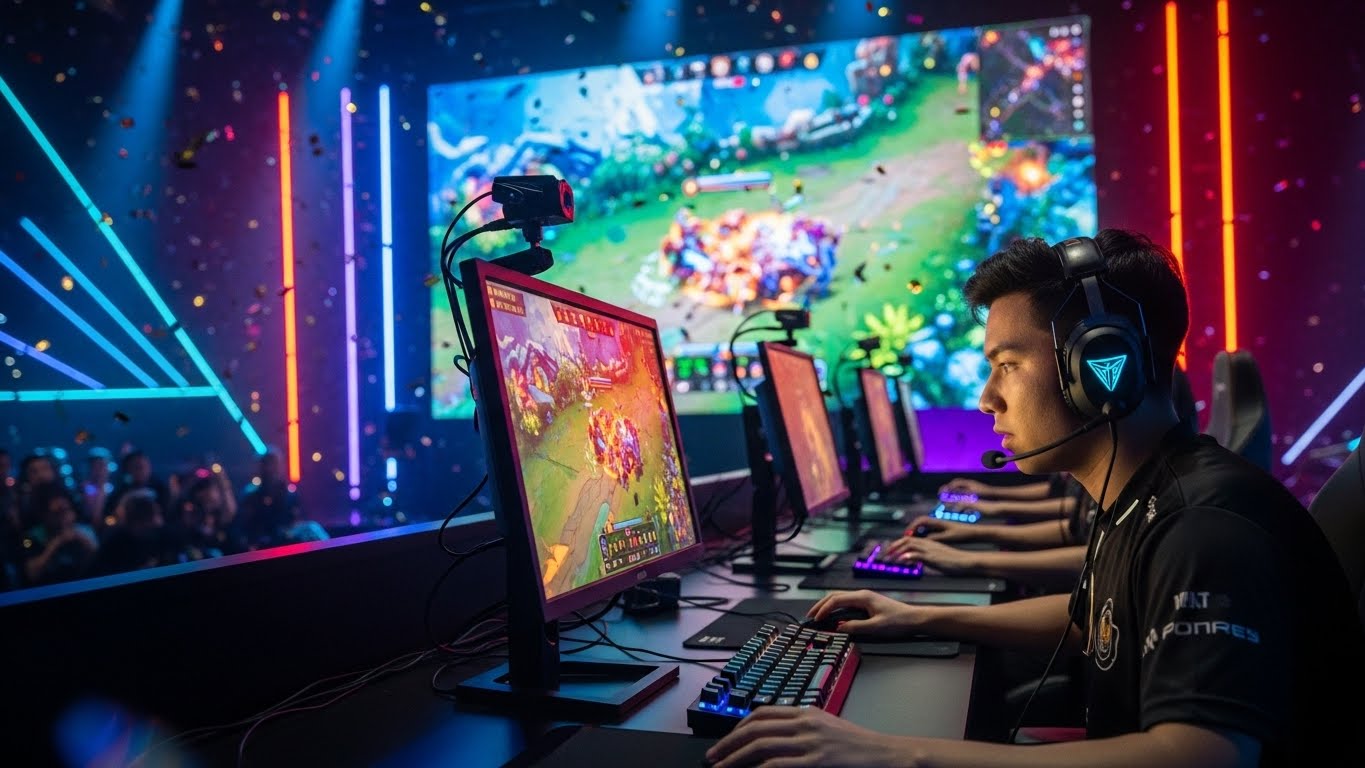
Esports has rapidly evolved from casual gaming sessions into a global competitive industry that rivals traditional sports in popularity, viewership, and cultural influence. What was once seen as a niche hobby has transformed into a professional arena where skill, strategy, discipline, and teamwork define success. Esports is now a major force in entertainment, technology, and youth culture, shaping how people compete, connect, and pursue careers in the digital era. This blog explores the journey of esports, its structure, impact, and future potential.
The Early Days of Competitive Gaming
The roots of esports can be traced back to the early days of video gaming. In the late twentieth century, competitive gaming emerged in arcades where players competed for high scores. These competitions were informal, yet they sparked excitement and rivalry among participants. Watching someone master a game was entertaining even before professional leagues existed.
As gaming consoles and personal computers became more accessible, competition expanded beyond arcades. Multiplayer games allowed players to compete directly, and local tournaments began forming in schools, gaming centers, and community events. These early competitions laid the foundation for what would later become organized esports.
Defining Esports in the Modern World
Esports, short for electronic sports, refers to organized competitive video gaming where individuals or teams compete under structured rules. Unlike casual gaming, esports demands consistent practice, strategic planning, and deep understanding of game mechanics. Players specialize in specific games and roles, honing their skills over time.
Modern esports includes a wide range of game genres such as multiplayer battle arenas, first-person shooters, strategy games, and sports simulations. Each genre requires unique abilities, from lightning-fast reflexes to long-term tactical thinking. Despite differences in gameplay, all esports share a commitment to competition and excellence.
The Rise of Professional Esports Organizations
One of the most significant developments in esports is its professionalization. Today, esports teams operate like traditional sports organizations. Players sign contracts, receive salaries, and follow structured training schedules. Coaches, analysts, and managers support players by refining strategies and maintaining peak performance.
Practice sessions can last many hours and involve reviewing gameplay footage, studying opponents, and improving coordination. This level of dedication highlights that esports success is built on discipline and preparation, not just talent. Professional organizations have helped legitimize esports as a serious competitive field.
Esports as a Global Entertainment Industry
Esports has grown into a global entertainment phenomenon with millions of fans worldwide. Major tournaments attract massive audiences both online and in physical venues. Fans passionately support teams and players, celebrating victories and sharing disappointment after losses.
The global nature of esports allows players from different countries to compete on the same stage. International tournaments showcase diverse strategies and playstyles, making competitions exciting and unpredictable. This worldwide reach has helped esports transcend cultural and geographic boundaries.
Streaming and the Esports Audience
Streaming platforms have played a crucial role in the rise of esports. Live broadcasts allow fans to watch matches in real time, complete with commentary and analysis. Viewers can engage with the action, react instantly, and feel connected to the competition.
Beyond tournaments, players often stream their practice sessions, offering insight into their routines and personalities. This transparency builds strong relationships between players and fans. Streaming has transformed esports into a highly interactive experience rather than a passive form of entertainment.
Skill, Strategy, and Competitive Discipline
Esports demands a unique combination of physical and mental abilities. Players rely on hand-eye coordination, reaction speed, and precision while processing vast amounts of information. Strategic thinking, teamwork, and adaptability are essential for success.
Mental discipline plays a critical role. Competitive matches can be intense, requiring players to stay focused under pressure. Managing emotions, learning from mistakes, and maintaining confidence are vital traits. These qualities demonstrate that esports competitors possess skills comparable to traditional athletes.
Teamwork and Communication in Esports
Many esports games are team-based, making communication and coordination essential. Players must trust each other, share information quickly, and execute strategies flawlessly. Strong teamwork often determines the outcome of matches more than individual skill alone.
Through teamwork, players develop leadership, cooperation, and problem-solving abilities. These skills extend beyond gaming and are valuable in education and professional environments. Esports teaches players how to function effectively as part of a team under high-pressure conditions.
Career Opportunities Beyond Professional Play
While becoming a professional player is a dream for many, esports offers numerous other career paths. Coaches, analysts, commentators, referees, event organizers, and content creators all play vital roles in the ecosystem.
Behind the scenes, technical staff manage production, design visuals, and ensure smooth tournament operations. Marketing and management professionals help grow brands and engage audiences. Esports has become a diverse industry that provides opportunities for individuals with various skills and interests.
Esports and Youth Development
Esports has a strong influence on younger generations. Many schools and universities now support esports programs, recognizing their potential for skill development and student engagement. Competitive gaming clubs encourage teamwork, discipline, and goal-setting.
Participation in esports can help students develop time management, communication, and analytical skills. When balanced responsibly, esports becomes a positive activity that fosters confidence and collaboration. Educational institutions increasingly view esports as a valuable extracurricular pursuit.
Health and Wellness in Competitive Gaming
As esports has matured, awareness of player health has increased. Long hours of practice can lead to physical strain, eye fatigue, and mental stress. Professional teams now emphasize proper posture, physical exercise, nutrition, and mental health support.
Maintaining a healthy lifestyle helps players sustain performance and avoid burnout. This focus on well-being reflects esports’ evolution into a responsible and sustainable competitive environment. Health is now recognized as a critical factor in long-term success.
Diversity and Inclusion in Esports
Esports continues to strive toward greater inclusivity. Historically dominated by specific demographics, the industry is gradually becoming more diverse. Efforts to promote respectful environments and equal opportunities are shaping a more welcoming community.
Increased representation brings fresh perspectives and creativity to esports. Diversity strengthens the competitive scene and ensures that success is determined by dedication and skill rather than background. Inclusive growth is essential for the future of esports.
The Cultural Impact of Esports
Esports has grown into a cultural movement that influences fashion, language, and digital communities. Fans express creativity through artwork, cosplay, and storytelling inspired by games and players. Major tournaments become cultural events that unite millions of viewers.
Players often become role models, inspiring fans with their dedication and perseverance. Esports culture blends competition with creativity, making it a defining feature of modern digital life.
Technology as the Backbone of Esports
Technology drives every aspect of esports. Advanced hardware ensures smooth gameplay, while high-speed internet enables global competition. Data analytics tools help teams analyze performance and refine strategies.
As technology advances, esports will continue to evolve. Improvements in visuals, communication, and performance tracking will enhance both competition and spectator experience. Innovation ensures that esports remains at the forefront of digital entertainment.
The Future of Esports
The future of esports is filled with opportunity. New games, leagues, and regions continue to emerge, expanding the competitive landscape. Esports is gaining recognition alongside traditional sports in education, media, and business.
Sustainable growth, fair competition, and player well-being will shape the next phase of development. With continued innovation and community support, esports is poised to remain a major global force for years to come.
Life Lessons Learned Through Esports
Esports teaches valuable lessons beyond the screen. Players learn discipline, resilience, and the importance of preparation. They experience both victory and defeat, developing emotional strength and adaptability.
For fans and participants alike, esports demonstrates that success comes from teamwork, effort, and continuous improvement. These lessons apply to education, careers, and personal growth, making esports a meaningful experience.
Conclusion
Esports has evolved from simple competitive gaming into a global industry that influences entertainment, technology, and culture. It combines skill, strategy, teamwork, and passion in a digital arena that connects people worldwide.
More than just games, esports represents the future of competition in a connected world. As it continues to grow, esports will inspire new generations, create diverse opportunities, and redefine what it means to compete in the digital age.