Introduction
Esports, short for electronic sports, has rapidly grown from casual gaming sessions into a global competitive industry. Once dismissed as a hobby, esports now stands alongside traditional sports in terms of viewership, revenue, and cultural influence. Millions of fans tune in to watch professional players compete in high-stakes tournaments, while aspiring gamers train daily with dreams of turning passion into profession.
Esports is more than competitive gaming. It represents a shift in how people define sports, entertainment, and community in the digital era. This blog explores the evolution of esports, its ecosystem, cultural impact, technological foundation, economic value, challenges, and future potential.
The Origins of Esports
The roots of esports can be traced back to the early days of video gaming when players competed for high scores in arcades. These early competitions were informal but sparked rivalry and excitement. As gaming consoles and personal computers became more accessible, multiplayer games allowed players to compete against each other beyond physical locations.
The development of online gaming transformed competitive play. Players could now compete globally, share strategies, and form communities. Early tournaments organized by gaming enthusiasts laid the foundation for structured esports. What started as small gatherings gradually evolved into organized competitions with dedicated audiences.
Transition to Professional Esports
The transition from casual competition to professional esports marked a turning point. Organized leagues, official tournaments, and standardized rules brought structure and legitimacy. Games designed with competitive balance encouraged teamwork, strategy, and skill-based gameplay.
Professional players began signing contracts, receiving salaries, and training rigorously. Teams hired coaches, analysts, and support staff, mirroring traditional sports organizations. This professionalization attracted sponsors and investors, accelerating esports growth and global recognition.
The Esports Ecosystem
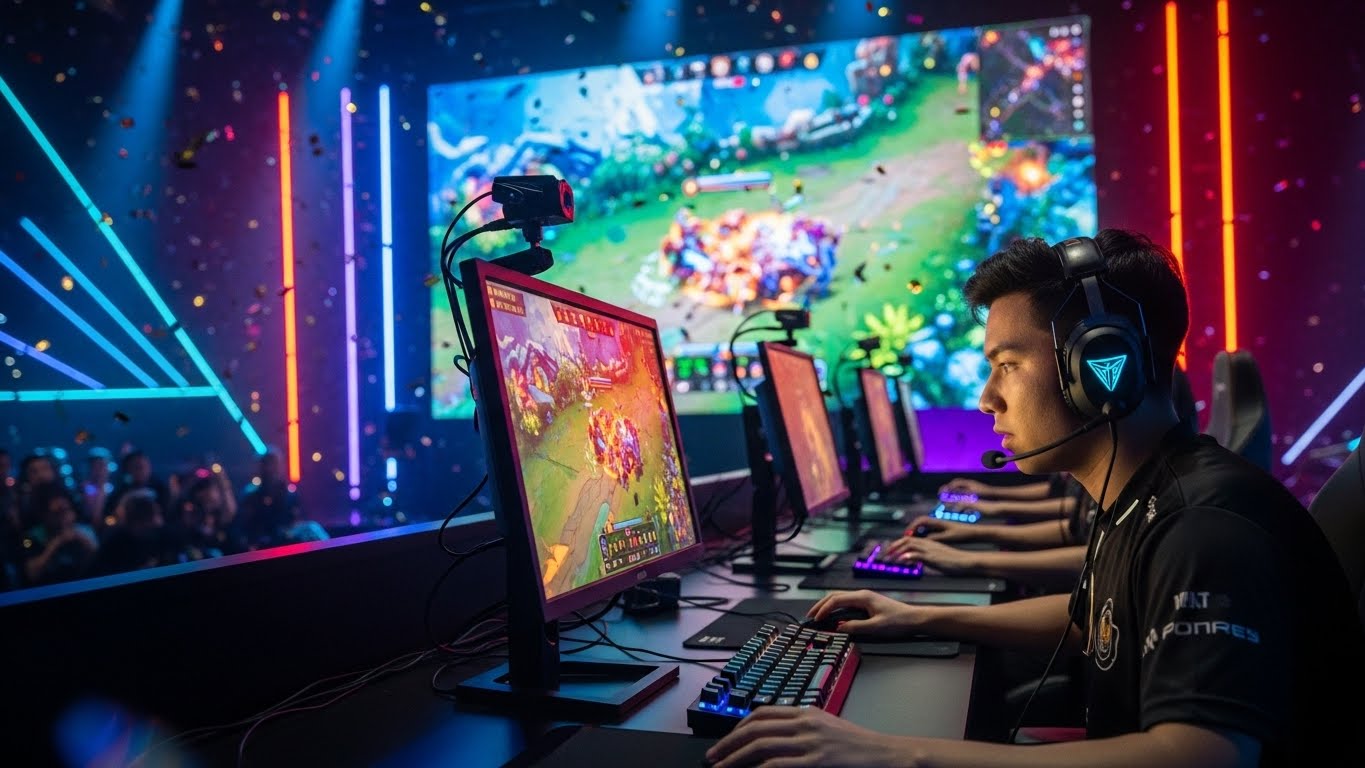
Esports operates within a complex and interconnected ecosystem. At its core are players who dedicate countless hours to mastering mechanics, strategies, and teamwork. Their performance depends not only on reflexes but also on mental discipline and adaptability.
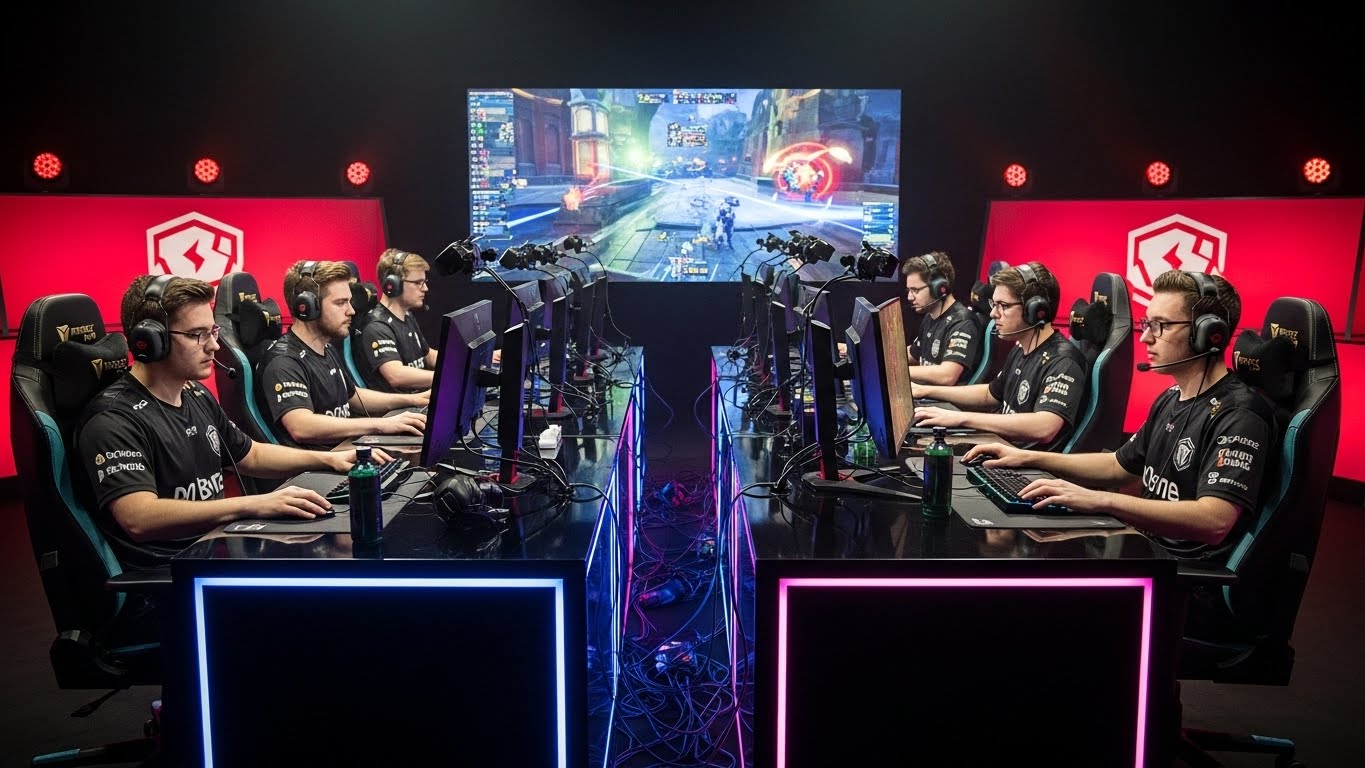
Teams function as organizations managing branding, operations, and player development. Coaches and analysts study gameplay data, develop strategies, and help players improve. Tournament organizers and broadcasters ensure high-quality events that attract global audiences.
Fans complete the ecosystem. Their engagement through viewership, community discussions, and merchandise purchases drives the industry forward. Without fans, esports would not thrive as a cultural and economic force.
Popularity and Global Reach
Esports has achieved global reach unlike any other form of competition. Players and fans from different cultures and languages connect through shared passion. International tournaments showcase diversity while fostering global unity through competition.
The digital nature of esports allows accessibility regardless of geographic location. Anyone with an internet connection can watch or participate. This inclusivity has helped esports grow rapidly, particularly among younger generations who are deeply connected to digital platforms.
Cultural Influence of Esports
Esports has significantly influenced modern culture. Professional gamers have become celebrities, shaping trends in fashion, language, and online behavior. Streaming culture allows fans to connect with players personally, creating strong community bonds.
Esports also challenges traditional definitions of athleticism. Mental endurance, reaction time, strategic thinking, and teamwork are now recognized as competitive skills. This shift has expanded the concept of sports to include digital performance and cognitive excellence.
Technology as the Foundation
Technology is the backbone of esports. High-performance gaming hardware, fast internet connections, and advanced software enable competitive play at the highest level. Game developers continually refine mechanics to ensure fairness and balance.
Broadcasting technology has transformed esports into a spectator-friendly experience. High-quality visuals, commentary, real-time statistics, and interactive features enhance engagement. Fans can analyze matches deeply and learn strategies from professionals.
Emerging technologies such as virtual reality, artificial intelligence, and cloud gaming may further redefine how esports is played and viewed, expanding possibilities for innovation.
Economic Impact and Industry Growth
Esports has become a major economic driver. Revenue streams include sponsorships, advertising, merchandise, ticket sales, and media rights. Brands invest heavily due to esports’ highly engaged and digitally native audience.
The industry also generates employment beyond professional players. Careers exist in event management, broadcasting, content creation, marketing, game development, coaching, and analytics. Educational institutions are increasingly offering programs focused on esports management and production.
Career Opportunities in Esports
While becoming a professional player requires exceptional skill and dedication, esports offers many alternative career paths. Content creators, commentators, video editors, social media managers, and community moderators play essential roles.
Aspiring professionals can contribute through technology, design, business, or education. Esports values creativity, innovation, and adaptability, making it an attractive industry for individuals with diverse skill sets.
Mental and Physical Demands
Esports competition places intense mental and physical demands on players. Long practice hours, high-pressure matches, and constant performance expectations can lead to burnout. Reaction speed, focus, and decision-making must remain sharp throughout competitions.
Organizations are increasingly recognizing the importance of health. Structured training schedules, physical exercise, mental coaching, and rest are becoming part of professional routines. Player well-being is essential for sustainable success.
Challenges Facing Esports
Despite its growth, esports faces challenges. Lack of standardized governance across games and regions can cause inconsistencies in rules and player protection. Establishing clear regulations is necessary for long-term stability.
Toxic behavior within gaming communities remains a concern. Harassment and unfair conduct can discourage participation. Promoting inclusivity, sportsmanship, and respectful competition is critical for industry health.
Player career longevity is another challenge. Competitive peaks often occur early, making post-career planning essential. Education and skill development beyond gameplay are becoming increasingly important.
Esports and Education
Esports is making its way into educational institutions. Schools and universities are forming esports teams, offering scholarships, and teaching skills related to gaming and digital production.
Esports-based education promotes teamwork, leadership, strategic thinking, and technological literacy. It also provides structured environments that balance competition with learning and personal development.
The Future of Esports
The future of esports appears promising. Technological innovation, increased mainstream acceptance, and global connectivity will continue to drive growth. Collaboration between esports and traditional sports may further expand audiences and opportunities.
Grassroots development will play a key role in nurturing talent. Local tournaments, youth programs, and community initiatives ensure sustainability and diversity. Ethical practices, player welfare, and inclusivity will shape esports’ long-term success.
Conclusion
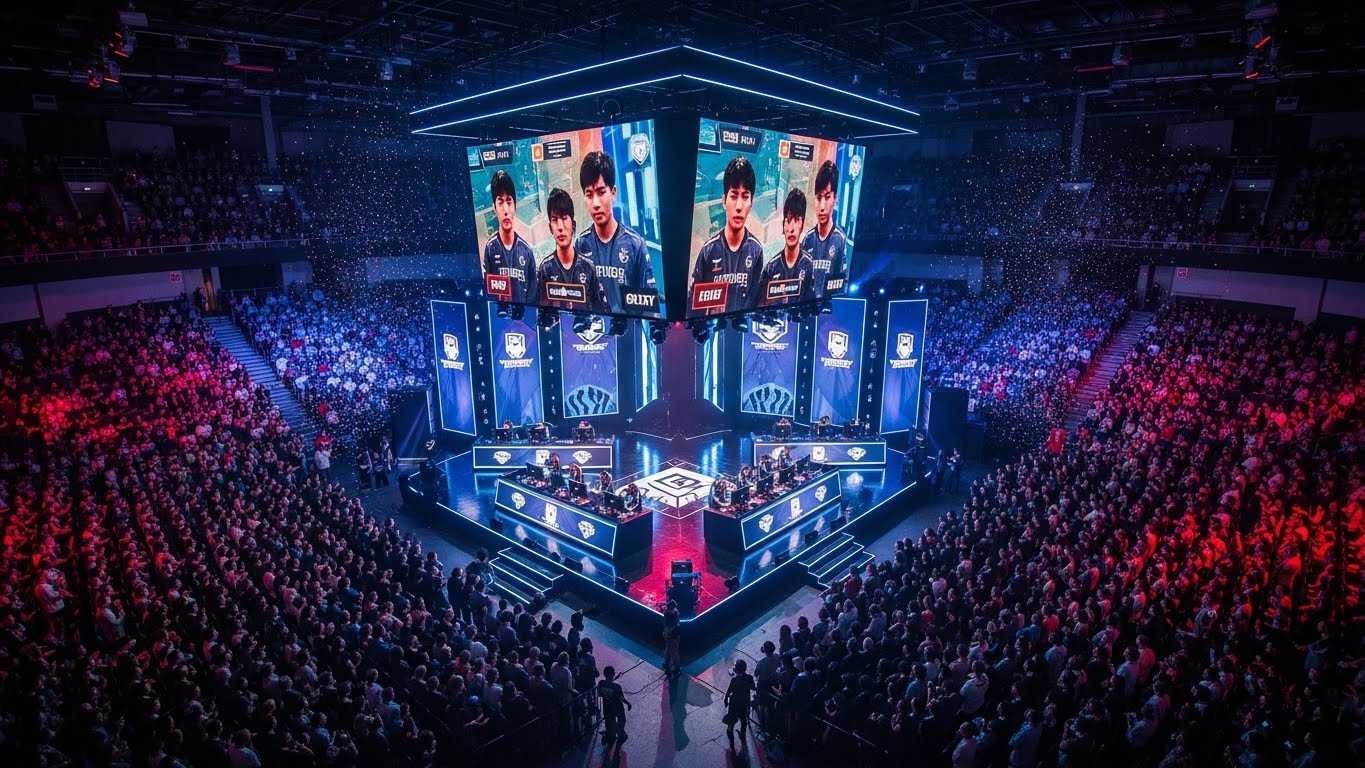
Esports has evolved into a powerful global phenomenon that redefines competition in the digital age. It blends technology, skill, entertainment, and community into a unique cultural experience. From humble beginnings to packed arenas and global audiences, esports reflects the changing nature of sports and human connection.
As esports continues to grow, it will influence how people compete, interact, and express passion in an increasingly digital world. Digital battlegrounds are no longer just games; they are stages where talent, innovation, and global culture converge.