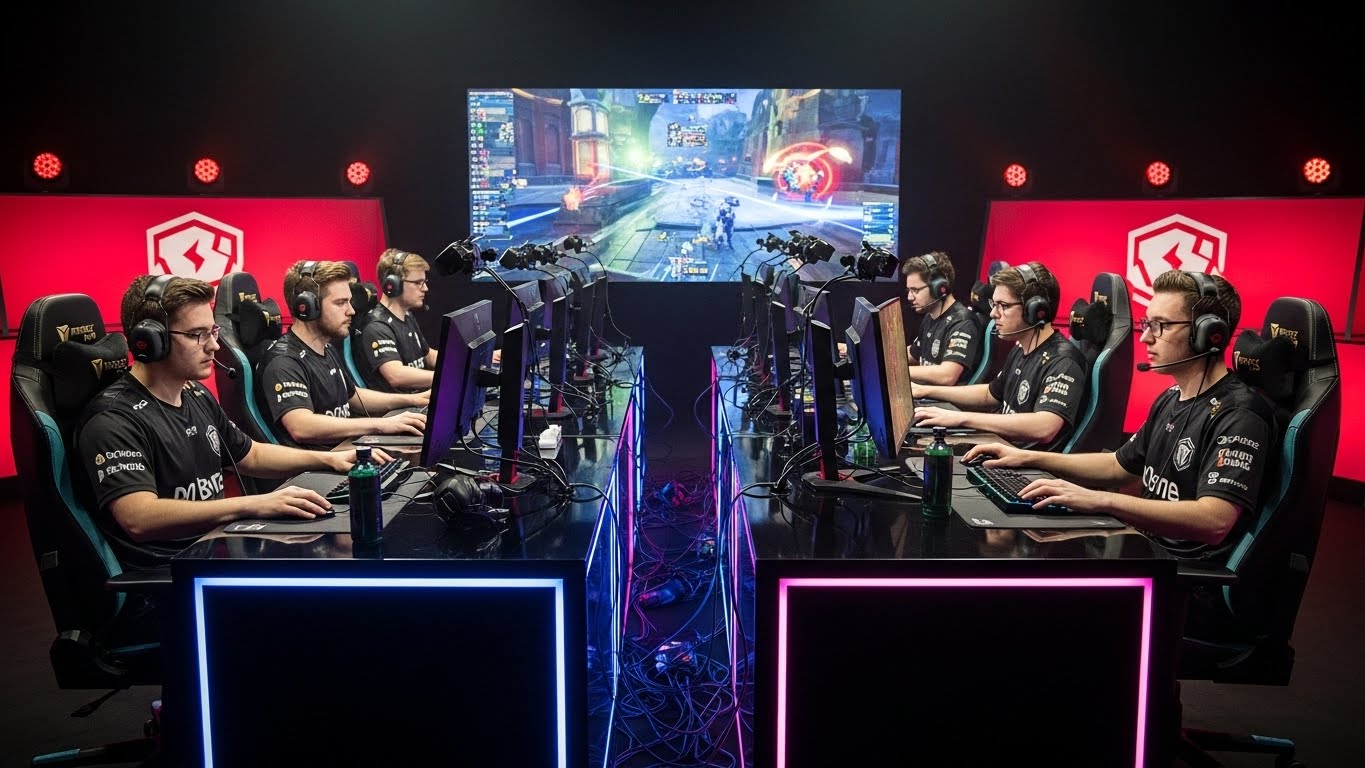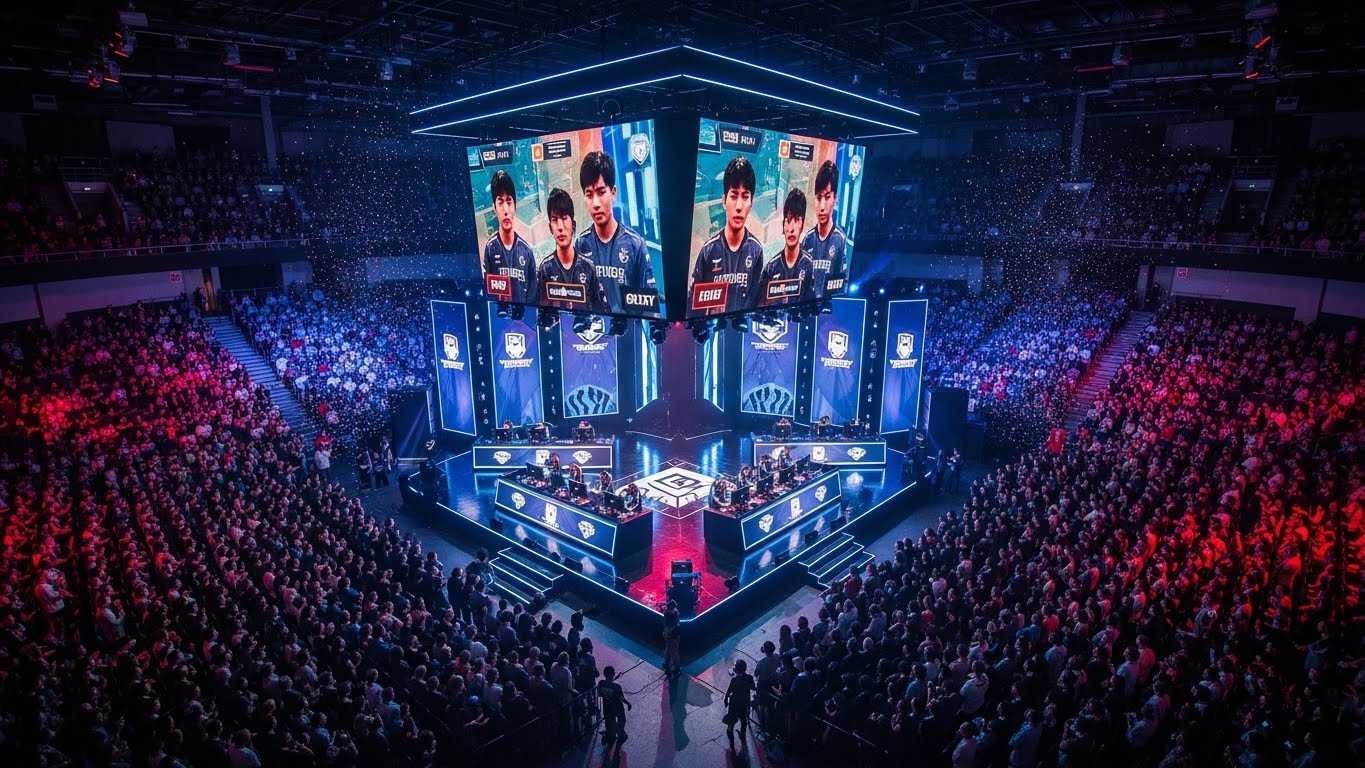
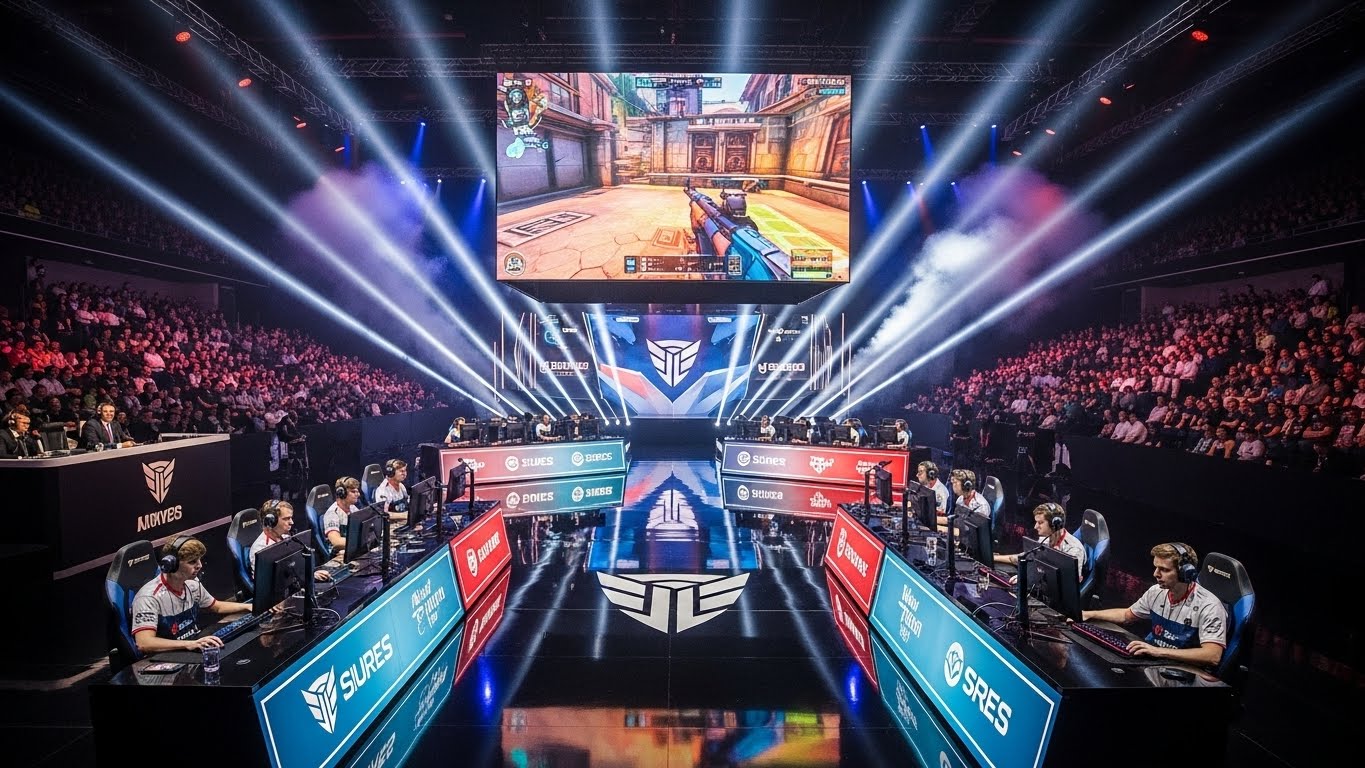
Esports has rapidly transformed from a pastime enjoyed in bedrooms and internet cafés into a global competitive force commanding massive audiences and serious respect. Competitive gaming now stands shoulder to shoulder with traditional sports in terms of viewership, professionalism, and cultural influence. What once seemed like a temporary trend has proven to be a lasting movement that reflects the digital generation’s values, skills, and ambitions.
This blog explores how esports evolved, why it matters, and how it continues to redefine competition, entertainment, and global connection.
The Early Days of Competitive Gaming
The roots of esports stretch back to the earliest days of video gaming. In the late twentieth century, players gathered around arcade machines, competing for high scores and local recognition. These informal rivalries laid the foundation for organized competition. As home consoles and personal computers became more accessible, multiplayer games allowed players to challenge friends and strangers alike.
The introduction of local area networks and later online connectivity changed everything. Games that supported competitive play encouraged skill development, strategic thinking, and teamwork. Small tournaments began forming, marking the first step toward what would eventually become professional esports.
From Hobby to Profession
The shift from casual gaming to professional esports did not happen overnight. It required structured tournaments, standardized rules, and consistent platforms for competition. As technology improved, developers began designing games with competitive balance in mind. This allowed skill to shine over randomness, an essential element for any sport.
Professional teams emerged, offering players contracts, coaching, and training schedules. What was once a hobby became a full-time career for many. Today, esports athletes dedicate countless hours to practice, analysis, and self-improvement, much like their counterparts in traditional sports.
Understanding What Esports Truly Is
Esports refers to organized, competitive video gaming where individuals or teams compete under formal rules. It emphasizes mastery, strategy, coordination, and mental discipline. Unlike casual gaming, esports demands consistency and peak performance under pressure.
Each game within esports has its own ecosystem, including leagues, tournaments, rankings, and professional players. Success depends not only on individual skill but also on communication, adaptability, and teamwork. This depth and complexity are what elevate esports from entertainment to sport.
The Skills Behind the Competition
Esports challenges both the mind and body in unique ways. Players rely on lightning-fast reflexes, hand-eye coordination, and precise motor control. At the same time, they must process vast amounts of information, make split-second decisions, and anticipate opponents’ actions.
Strategic planning plays a crucial role. Teams analyze opponents, develop tactics, and adjust strategies during matches. Mental endurance is equally important, as competitions can last for hours and require unwavering focus. These skills demonstrate that esports excellence is earned through dedication and discipline.
Esports as a Global Community
One of esports’ most powerful aspects is its ability to unite people across borders. Players and fans from different cultures, languages, and backgrounds come together through shared passion. Online platforms allow real-time interaction, creating a sense of belonging that transcends geography.
Major tournaments attract international audiences, turning matches into global events. Fans support teams with the same loyalty seen in traditional sports, celebrating victories and mourning defeats together. This shared experience has made esports a true global community.
The Influence of Streaming Culture
Streaming has played a vital role in the growth of esports. It allows fans to watch matches live, follow professional players, and engage with content creators. This accessibility has removed barriers between athletes and audiences, making esports more personal and interactive.
Streaming also provides opportunities beyond professional competition. Many players build careers by sharing gameplay, teaching strategies, and entertaining audiences. This ecosystem supports creativity, entrepreneurship, and direct fan engagement, further strengthening esports’ cultural impact.
Career Opportunities Beyond Playing
While professional players often receive the spotlight, esports offers many career paths. Coaches, analysts, commentators, event organizers, and content creators all contribute to the industry. Technical roles such as game design, production, and data analysis are equally important.
Educational institutions have begun recognizing esports as a legitimate field of study. Programs focusing on esports management, marketing, and technology prepare students for careers in this growing industry. Esports has become a gateway to diverse professional opportunities.
Youth Development and Education
Esports has a strong influence on younger generations. For many students, competitive gaming provides motivation, structure, and a sense of achievement. Schools and universities now host esports clubs and teams, promoting teamwork and healthy competition.
Participation in esports helps develop critical thinking, communication skills, and time management. Players learn to balance practice with academics, handle pressure, and work collaboratively. These lessons extend beyond gaming, supporting personal and academic growth.
Diversity and Inclusion in Esports
The esports community continues to work toward greater inclusivity. While challenges remain, progress is visible in increased representation across genders and backgrounds. Initiatives promoting fair treatment, respectful behavior, and equal opportunity are shaping a more welcoming environment.
As esports grows, diversity strengthens the community. Different perspectives bring innovation, creativity, and resilience. An inclusive esports culture ensures that talent and effort, rather than background, determine success.
Health and Well-Being in Competitive Gaming
The demands of esports highlight the importance of physical and mental well-being. Long practice hours can lead to fatigue and stress if not managed properly. Recognizing this, professional teams now emphasize balanced routines that include exercise, rest, and mental health support.
Healthy habits improve performance and longevity. Proper posture, nutrition, and mindfulness practices help players maintain focus and prevent injury. The evolving approach to wellness reflects esports’ maturation as a professional sport.
Esports as Entertainment and Culture
Esports has grown beyond competition into a form of mainstream entertainment. Events feature dramatic storytelling, fan engagement, and memorable moments that resonate with audiences. Esports personalities become role models and influencers, shaping trends and conversations.
The culture surrounding esports includes fan art, cosplay, music, and social interaction. These creative expressions enrich the experience, making esports not just something to watch, but something to live and share.
The Role of Technology in Growth
Technological advancement continues to fuel esports’ expansion. Improved hardware, faster connectivity, and advanced software enhance both gameplay and viewing experiences. Innovations in data analysis and artificial intelligence help teams refine strategies and improve performance.
Future technologies promise even greater immersion. As digital experiences evolve, esports will continue to push boundaries, blending competition with innovation in ways that redefine what sports can be.
The Future of Competitive Gaming
The future of esports is filled with possibility. New games, formats, and regions are constantly emerging. As acceptance grows, esports is finding its place alongside traditional sports in media, education, and culture.
Sustainability and professionalism will shape the next phase. With continued focus on player well-being, inclusivity, and integrity, esports can build a strong foundation for long-term success.
Lessons Esports Teaches the World
Esports offers valuable lessons about perseverance, teamwork, and adaptability. It shows that success is built through practice, analysis, and resilience. Players learn to handle victory with humility and defeat with determination.
These lessons extend far beyond gaming. They apply to careers, relationships, and personal growth. Esports proves that dedication and passion can turn unconventional paths into meaningful achievements.
Conclusion
Esports has evolved into a powerful force that reflects the digital age’s spirit and ambition. It combines competition, creativity, and community in a way that resonates with millions around the world. What began as a simple form of play has become a professional, cultural, and economic phenomenon.
Beyond screens and controllers, esports represents human connection, strategic excellence, and the pursuit of mastery. As it continues to grow, esports will not only redefine sports but also reshape how we understand competition and collaboration in a connected world.