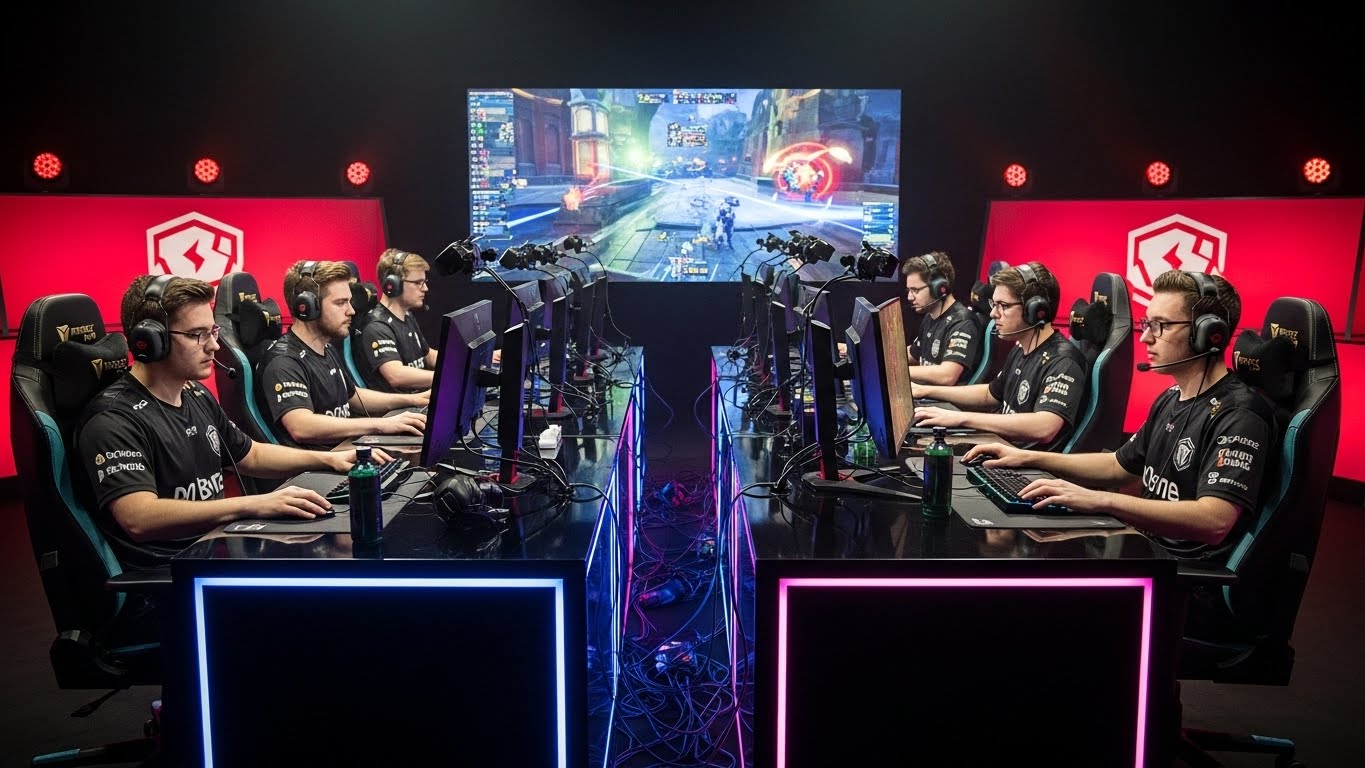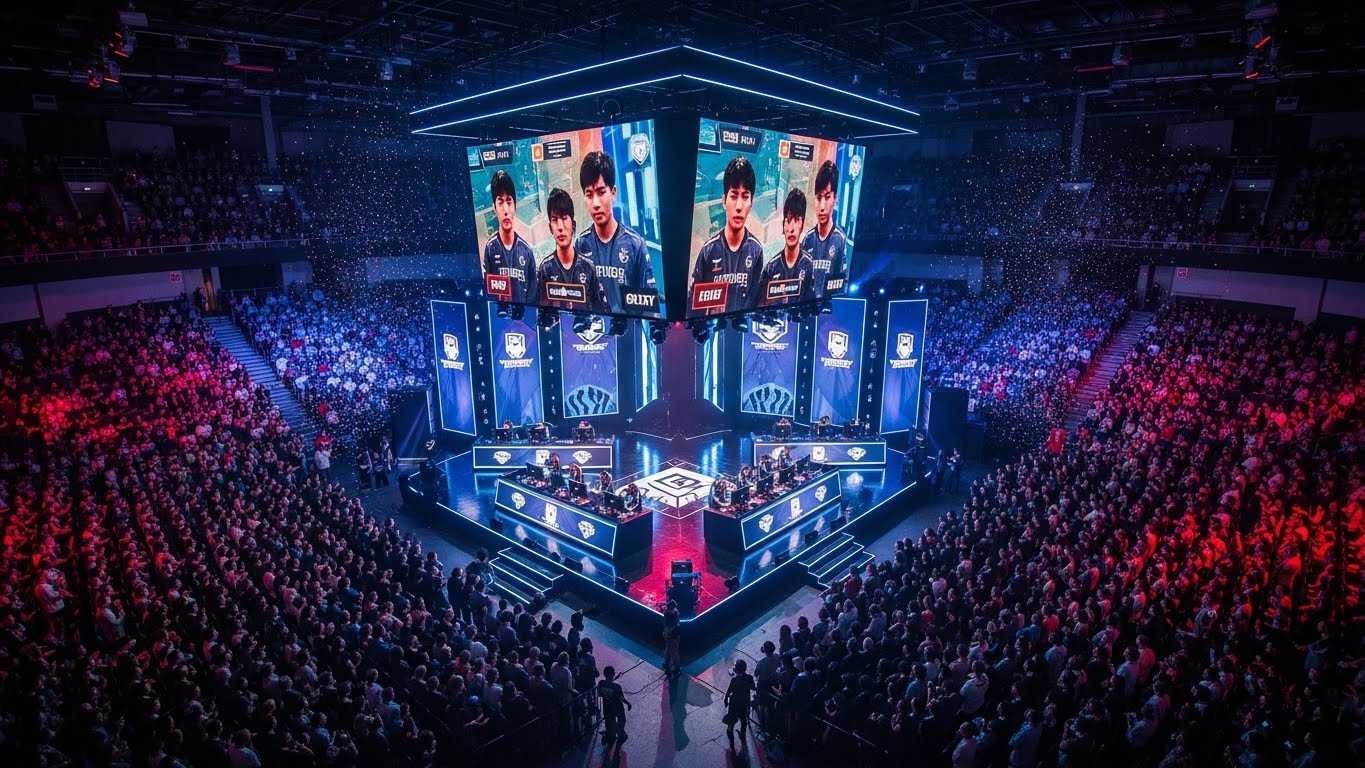
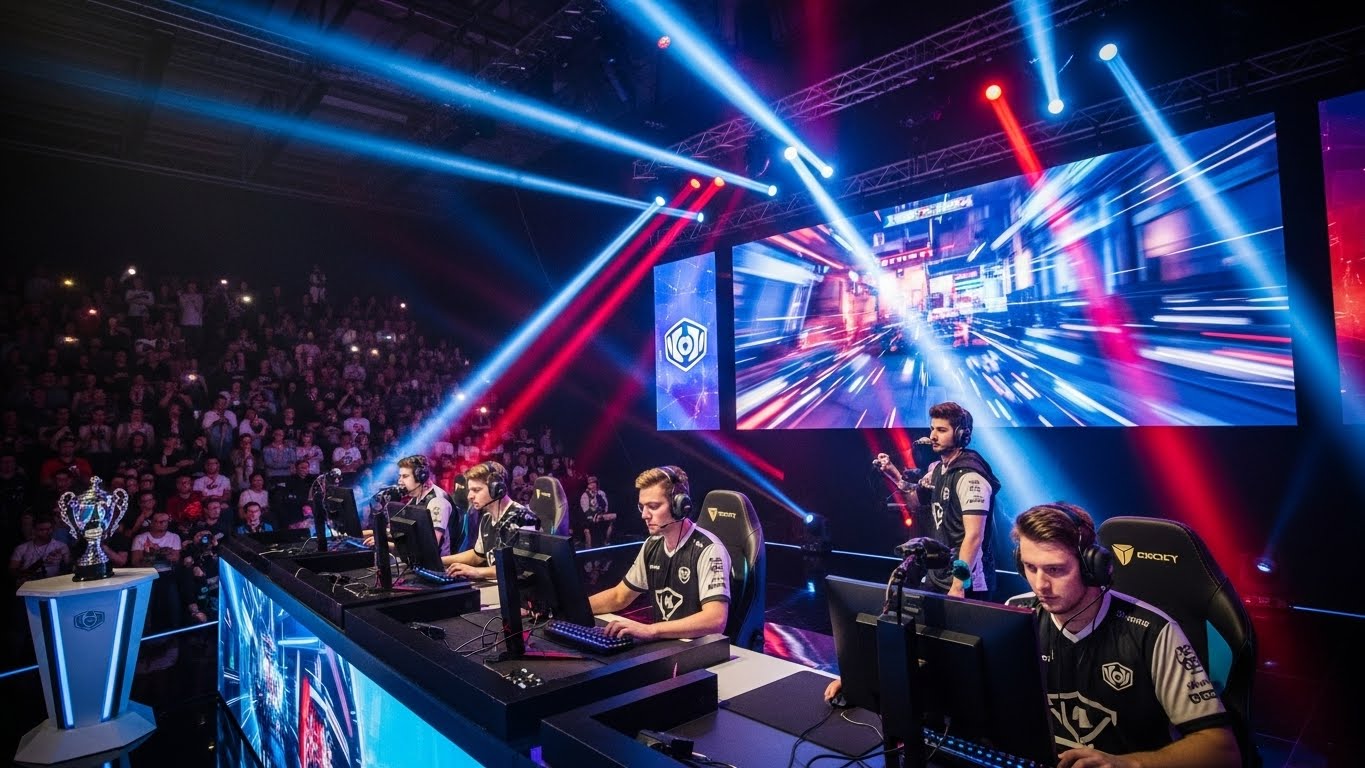
The rise of esports marks one of the most transformative shifts in modern entertainment and sports culture. Once considered a niche hobby, competitive gaming has evolved into a global phenomenon, attracting millions of fans, players, and sponsors. From local tournaments to international championships, esports has become a multi-billion-dollar industry, reshaping the way we perceive competition, skill, and teamwork. In this blog, we will explore the history of esports, its impact on society, the careers it fosters, and why it is here to stay.
The Origins of Esports
The story of esports begins with the earliest video games. In the 1970s and 1980s, arcade competitions and home console tournaments captured the attention of gaming enthusiasts. Titles like “Space Invaders,” “Pac-Man,” and later “Street Fighter” and “Super Mario” provided the first glimpses of organized competition among players.
By the 1990s, the rise of personal computers and multiplayer games like “Quake” and “StarCraft” introduced structured competitive play. Internet connectivity allowed players to compete globally, transforming gaming from a solitary activity into a social and competitive experience. These early tournaments laid the foundation for the modern esports ecosystem, combining skill, strategy, and community engagement.
What Defines Esports?
Esports, short for electronic sports, refers to organized, competitive video gaming. Unlike casual gaming, esports emphasizes skill, strategy, and teamwork at a professional level. Players train for hours daily, often specializing in specific roles or characters within their games. Titles like “League of Legends,” “Dota 2,” “Counter-Strike,” and “Fortnite” have become iconic in the esports world, each with unique mechanics, strategies, and competitive structures.
What sets esports apart is its professionalization. Players are often part of teams, sign contracts, and participate in leagues and tournaments with structured rules. Coaches, analysts, and support staff help players optimize performance, making esports comparable to traditional sports in terms of preparation, training, and execution.
The Global Impact of Esports
Esports has a far-reaching cultural and economic impact. Globally, it attracts millions of viewers, both online and in physical venues, generating massive audiences for streaming platforms and broadcast networks. Tournaments often fill stadiums, mirroring the excitement of traditional sports events.
Economically, esports contributes billions of dollars through sponsorships, merchandise, ticket sales, and media rights. Brands from tech, fashion, and even food industries invest heavily in esports, recognizing its influence over younger audiences. The industry also provides career opportunities beyond players, including event management, broadcasting, coaching, marketing, and content creation.
The Rise of Streaming Platforms
A key factor in esports’ explosion is the rise of streaming platforms. Services like Twitch and YouTube Gaming allow fans to watch live matches, interact with players, and learn strategies in real time. Streaming has transformed the relationship between players and audiences, creating a community-driven ecosystem.
Viewers not only watch for entertainment but also engage in discussions, predictions, and fan content. This interactive experience has created a sense of belonging and fandom, similar to traditional sports supporters, but with digital immediacy and accessibility.
Training and Discipline in Esports
Professional esports players often train with the same rigor as athletes in conventional sports. Daily practice schedules, strategic planning, and physical wellness routines are essential to peak performance. Mental focus, reflexes, and communication skills are continuously honed.
Unlike casual gaming, esports demands teamwork and adaptability. Players must coordinate strategies, anticipate opponents’ moves, and maintain composure under pressure. The combination of physical coordination, mental agility, and strategic planning makes professional esports a highly demanding and respected field.
Esports and Youth Engagement
Esports has a strong appeal among younger generations. For many, competitive gaming is not only a form of entertainment but also a potential career path. Schools and universities have recognized this, offering esports programs, scholarships, and training opportunities.
Participation in esports can enhance cognitive skills, including critical thinking, decision-making, and multitasking. Team-based games foster collaboration, communication, and leadership. These skills are transferable to academic and professional contexts, demonstrating that esports can contribute positively to personal development.
Gender and Diversity in Esports
While esports was initially male-dominated, there is a growing push for gender inclusivity and diversity. Female gamers and mixed-gender teams are gaining visibility, challenging stereotypes, and expanding the industry’s reach.
Diversity initiatives aim to create safe and supportive environments for players of all backgrounds. Inclusive tournaments, mentorship programs, and awareness campaigns are helping to ensure that esports becomes a platform where talent, dedication, and performance are valued above all else.
The Economic Ecosystem of Esports
The economics of esports extend far beyond player salaries. Sponsors, advertisers, and media companies invest heavily in tournaments and events. Professional teams generate revenue through merchandise sales, streaming subscriptions, and partnerships. Prize pools in major tournaments often reach millions of dollars, highlighting the commercial viability of the industry.
Additionally, esports has spurred entrepreneurship in gaming hardware, software development, and content creation. Training academies, event management companies, and esports agencies have emerged to support the growing demand, creating a multi-faceted economic ecosystem around competitive gaming.
Mental and Physical Challenges
Despite its appeal, esports is not without challenges. Professional players face intense pressure, long hours of practice, and the need for constant adaptation to new game updates. Mental health concerns such as stress, burnout, and performance anxiety are common.
Physical health is also a consideration. Extended screen time and repetitive movements can lead to eye strain, carpal tunnel syndrome, and posture-related issues. Many teams now incorporate physical training, nutrition, and mental wellness programs to ensure players maintain a balanced and sustainable lifestyle.
Esports as a Cultural Phenomenon
Esports has transcended the gaming community to become a cultural phenomenon. Merchandise, fan art, cosplay, and media coverage contribute to its mainstream presence. Esports stars are celebrated like traditional athletes, with fan bases spanning continents.
The cultural influence extends into music, fashion, and entertainment. Collaborations between esports brands and popular artists or fashion labels demonstrate how deeply gaming has embedded itself into global youth culture. Esports is not just a pastime; it is a lifestyle and a shared identity for millions.
The Future of Esports
The future of esports is poised for growth and innovation. Advances in technology, including virtual reality, augmented reality, and artificial intelligence, will create more immersive and dynamic experiences. Emerging markets are increasingly investing in esports infrastructure, expanding the industry to new audiences.
Furthermore, esports continues to blur the lines between entertainment, education, and professional sports. Universities are developing research programs focused on esports science, strategy, and management, while emerging leagues explore hybrid formats combining live events with digital platforms. The next decade promises even greater integration of esports into mainstream culture.
Lessons Learned from Esports
Esports teaches valuable lessons that extend beyond the screen. Discipline, teamwork, strategic thinking, and resilience are essential to success. Players learn to adapt to change, handle pressure, and pursue long-term goals with dedication. These qualities are applicable not only in gaming but in careers, academics, and personal development.
Moreover, esports fosters a sense of community. Fans and players share experiences, celebrate achievements, and support one another. The industry demonstrates that digital spaces can cultivate meaningful connections and collaboration, proving that competition and camaraderie can coexist in the virtual world.
Conclusion
Esports has evolved from a niche hobby to a global industry, redefining competition, entertainment, and community engagement. Its impact spans culture, economy, education, and technology, making it one of the most influential phenomena of the 21st century.
As esports continues to grow, it will provide opportunities for players, innovators, and audiences worldwide. More than just gaming, esports represents a new frontier of skill, strategy, and human connection. It proves that in the digital age, competition can transcend physical boundaries, bringing people together in ways never imagined before. The digital arena is no longer the future; it is the present, and it is here to stay.