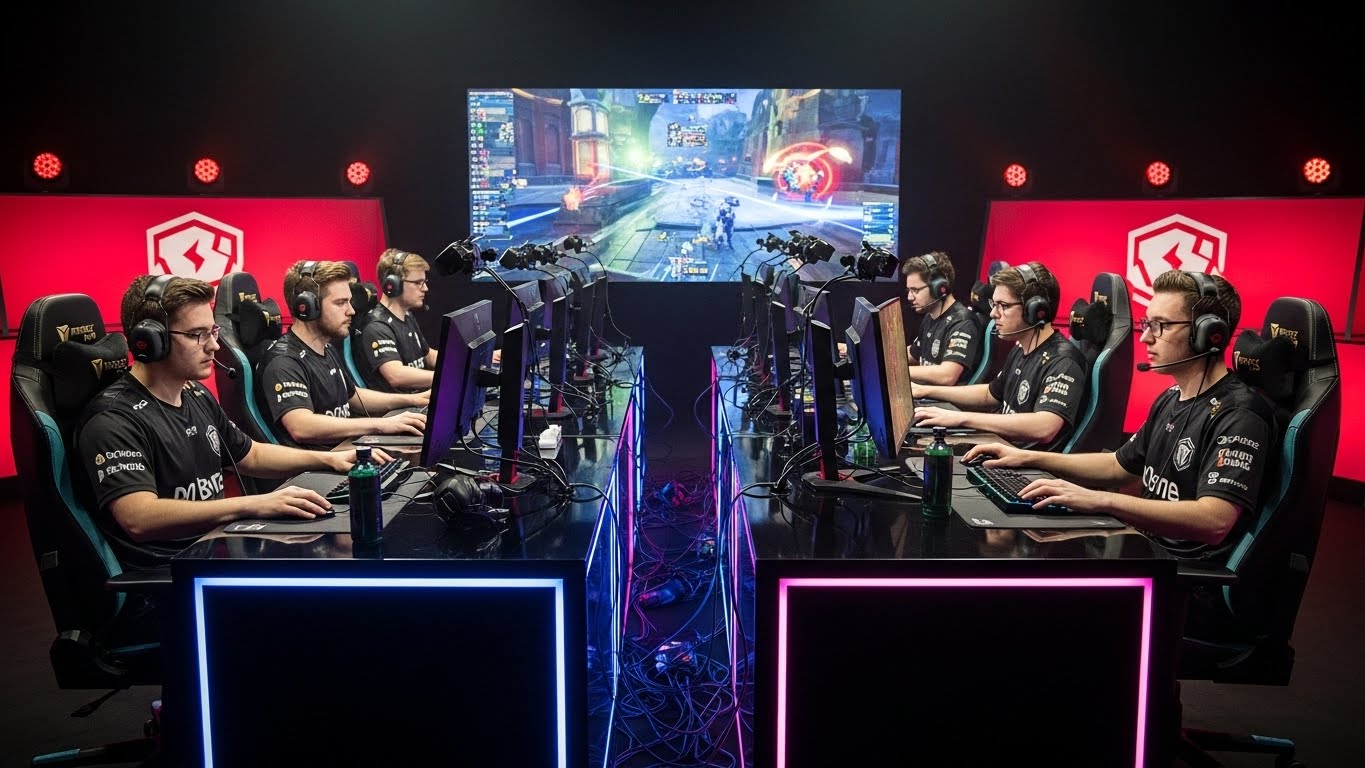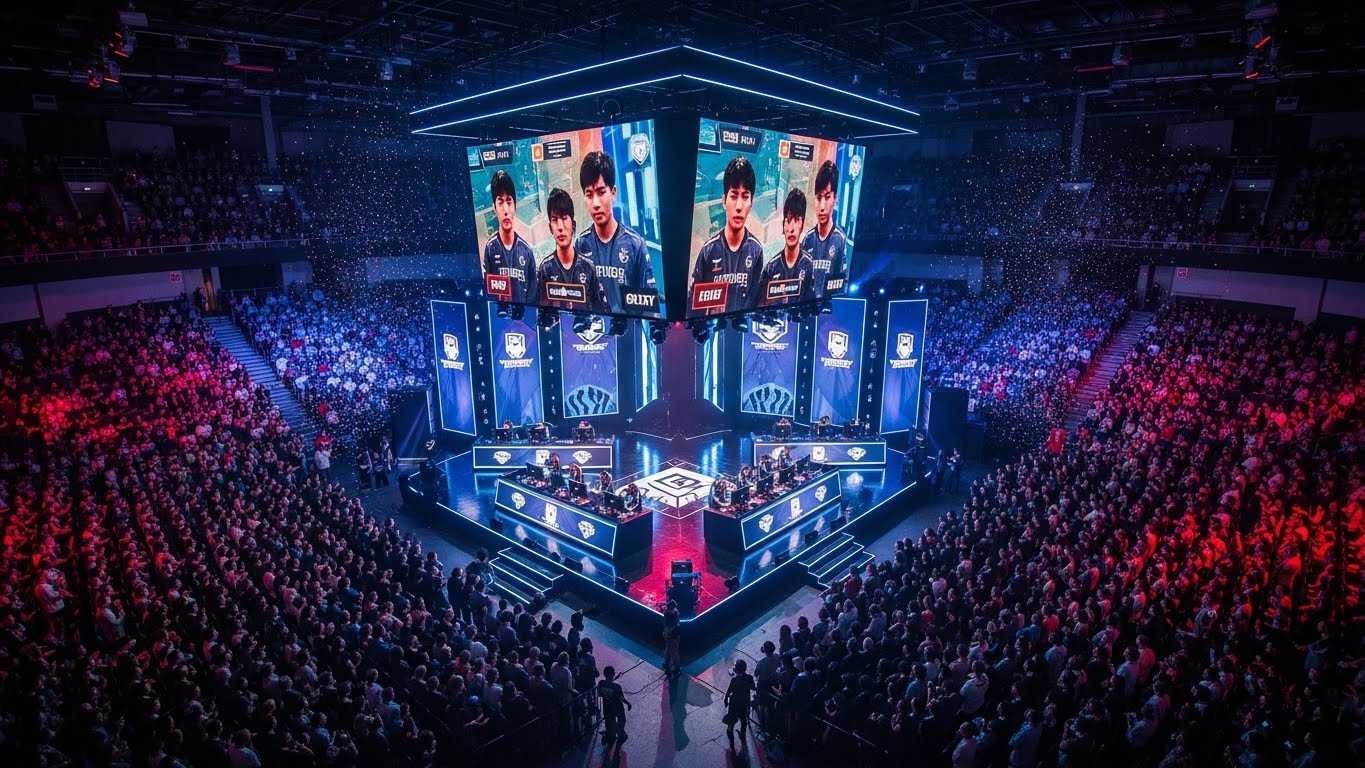

In the last two decades, the world of competitive gaming, commonly known as eSports, has grown from a niche hobby enjoyed by a small group of dedicated players to a multi-billion-dollar global industry. What was once considered an unconventional activity for a select group of enthusiasts has now become a mainstream form of entertainment, attracting millions of viewers and turning professional gamers into celebrities. From live-streamed tournaments to professional leagues, eSports has taken the world by storm. In this blog post, we will explore the rise of eSports, the factors behind its massive growth, the impact it has on the gaming community, and the future of this booming industry.
The Birth of eSports: Humble Beginnings
While competitive gaming has been around since the early days of video games, the concept of eSports as we know it today began to take shape in the late 1990s and early 2000s. Early competitive gaming was informal, with players competing in small, local tournaments. However, as internet speeds improved and more people gained access to online gaming, the potential for large-scale competitions began to emerge.
The first significant steps toward organized eSports came with games like StarCraft and Quake, both of which featured robust online multiplayer modes. These games attracted skilled players who began to compete for prizes, recognition, and status within their respective communities. In 1997, the Red Annihilation tournament for Quake became one of the first major eSports events, offering a grand prize of a Ferrari to the winner. Although it was a small event by today’s standards, it was a precursor to the massive eSports tournaments that would follow.
As broadband internet became more widely available in the early 2000s, online multiplayer games like Warcraft III, Counter-Strike, and League of Legends allowed players from around the world to compete against one another. This global connectivity was a game-changer, laying the foundation for the emergence of eSports as a legitimate and thriving industry.
The Growth of eSports: Building the Industry
The real turning point for eSports came in the mid-2000s when companies, game developers, and tournament organizers began to see the commercial potential of competitive gaming. The launch of World of Warcraft in 2004, with its emphasis on cooperative gameplay and online competition, helped to bring eSports into the mainstream. Blizzard Entertainment, the developer behind WoW, began organizing major tournaments, such as the World Warcraft Championship, which attracted thousands of players and viewers.
At the same time, other games like StarCraft and Counter-Strike were also gaining popularity as competitive titles. In 2008, the World Cyber Games (WCG), one of the first truly global eSports tournaments, held its inaugural event in Cologne, Germany, attracting teams from all over the world. The WCG helped to establish eSports as an international phenomenon and marked a major step toward the professionalization of competitive gaming.
The next big leap in the evolution of eSports came with the rise of online streaming platforms. Twitch, launched in 2011, revolutionized the way gamers interacted with their audience. Streamers could broadcast their gameplay in real-time, allowing viewers to watch and interact with their favorite players and teams. The platform quickly became the go-to hub for eSports content, providing a place for tournaments to be streamed live to millions of viewers worldwide. As Twitch’s popularity grew, it paved the way for eSports to move from physical arenas to the digital world, creating a more accessible and interactive experience for fans.
In 2014, Amazon acquired Twitch for nearly $1 billion, signaling the growing commercial value of eSports and online gaming. Over the next several years, the popularity of eSports skyrocketed, with top tournaments offering multi-million-dollar prize pools and attracting corporate sponsorships from major companies like Coca-Cola, Intel, and Red Bull.
eSports as a Professional Career
One of the key factors behind the explosive growth of eSports has been the emergence of professional players and teams. Just like traditional sports, competitive gaming now has players who train full-time, hone their skills, and compete at the highest levels for cash prizes, sponsorships, and fame. These professional gamers are no longer seen as hobbyists or amateurs; they are athletes in their own right, with rigorous training schedules, dedicated coaches, and managers to help them succeed.
The most successful eSports players can earn millions of dollars a year through prize money, streaming deals, sponsorships, and merchandising. For example, the International, an annual Dota 2 tournament, has offered prize pools exceeding $30 million, with the winner often taking home several million dollars. This level of prize money has made eSports a viable career option for highly skilled gamers, with many players dedicating themselves to the sport from a young age.
In addition to prize money, professional players and teams also benefit from sponsorship deals, endorsements, and streaming revenue. Major brands have realized the potential of partnering with eSports athletes and teams to reach a younger, tech-savvy audience. As a result, eSports has become a major marketing tool for companies looking to engage with millennials and Gen Z consumers.
Moreover, eSports has spawned an entire ecosystem of professionals, including coaches, analysts, casters (commentators), and content creators. These individuals play crucial roles in the success of the eSports scene, providing expertise, analysis, and entertainment for fans. The growing demand for eSports-related content has led to the creation of new career opportunities, further professionalizing the industry.
The Impact of eSports on Gaming Culture
eSports has had a profound impact on gaming culture, not just in terms of the industry’s financial success but also in terms of how gaming is perceived by the general public. What was once considered a niche activity has now become a respected form of entertainment, with millions of viewers tuning in to watch professional gamers compete.
The rise of eSports has also fostered a sense of community among players and fans. Online gaming, in particular, has become a social activity, with players coming together from all corners of the globe to compete, chat, and share experiences. The sense of camaraderie and shared passion for gaming has created a global community that transcends national borders, cultures, and languages.
Tournaments and leagues have become large-scale events, filling stadiums with thousands of spectators and drawing in millions of online viewers. Major eSports events, such as the League of Legends World Championship and The International for Dota 2, are now considered some of the most-watched sporting events in the world, rivaling traditional sports in terms of viewership.
Additionally, the increasing prominence of eSports has led to a shift in how video games are designed. Game developers now create titles with competitive play in mind, ensuring that they are balanced, skill-based, and capable of supporting large-scale online tournaments. Popular games like Overwatch, Fortnite, CS:GO, and Valorant are all designed with both casual and professional players in mind, ensuring that the game is fun to play while also offering a high level of competitiveness for those who want to take it to the next level.
The Globalization of eSports
One of the most exciting aspects of eSports is its global appeal. Competitive gaming is no longer confined to a specific region or country; it has become a truly international sport. Major tournaments are held all over the world, and teams often feature players from multiple countries. For example, in League of Legends, teams in the North American League of Legends Championship Series (NALCS) often include players from Europe, Korea, and China, reflecting the global nature of the eSports ecosystem.
eSports events are broadcast in multiple languages, making it possible for fans from different cultures to watch and engage with their favorite teams and players. This international reach has helped eSports become a truly global phenomenon, with millions of fans tuning in from countries as diverse as South Korea, Brazil, Sweden, and the United States.
Moreover, the success of eSports in one country often leads to its spread to other regions. South Korea, for example, has long been a leader in eSports, particularly in StarCraft, League of Legends, and Overwatch. The country’s government has even supported the growth of eSports, creating state-of-the-art stadiums and providing financial backing for players and organizations. Other countries have followed South Korea’s lead, creating their own eSports infrastructure and nurturing local talent.
The Future of eSports: What’s Next?
Looking ahead, the future of eSports appears bright, with continued growth and innovation on the horizon. One of the most exciting prospects is the integration of eSports with traditional sports, as many sports leagues have begun to see the potential of competitive gaming. In recent years, major sports organizations like the NBA, NFL, and European football clubs have started to invest in eSports, either by sponsoring teams or establishing their own eSports leagues.
Another potential development is the rise of eSports in the realm of education. Several universities around the world now offer scholarships for eSports players, and some have even built dedicated eSports arenas for student competitions. As eSports continues to gain legitimacy, it could become a staple of college sports programs, with universities offering specialized programs to help players develop their skills and prepare for professional careers.
Furthermore, the growing popularity of virtual reality (VR) and augmented reality (AR) could revolutionize eSports by creating even more immersive and interactive experiences. Imagine competing in a fully immersive VR eSports tournament, where players can physically move around the game environment and interact with their teammates and opponents in real-time. This could take competitive gaming to a whole new level, offering fans a more immersive way to experience eSports.