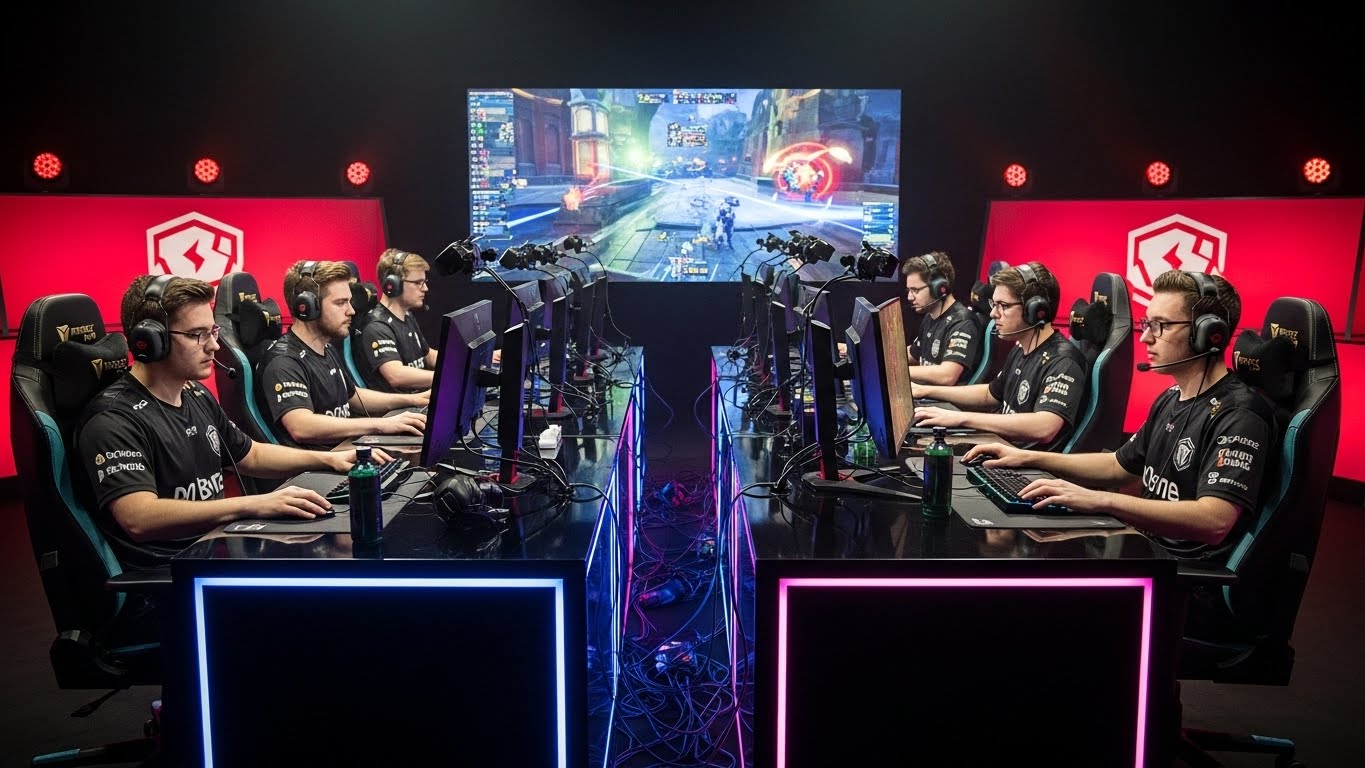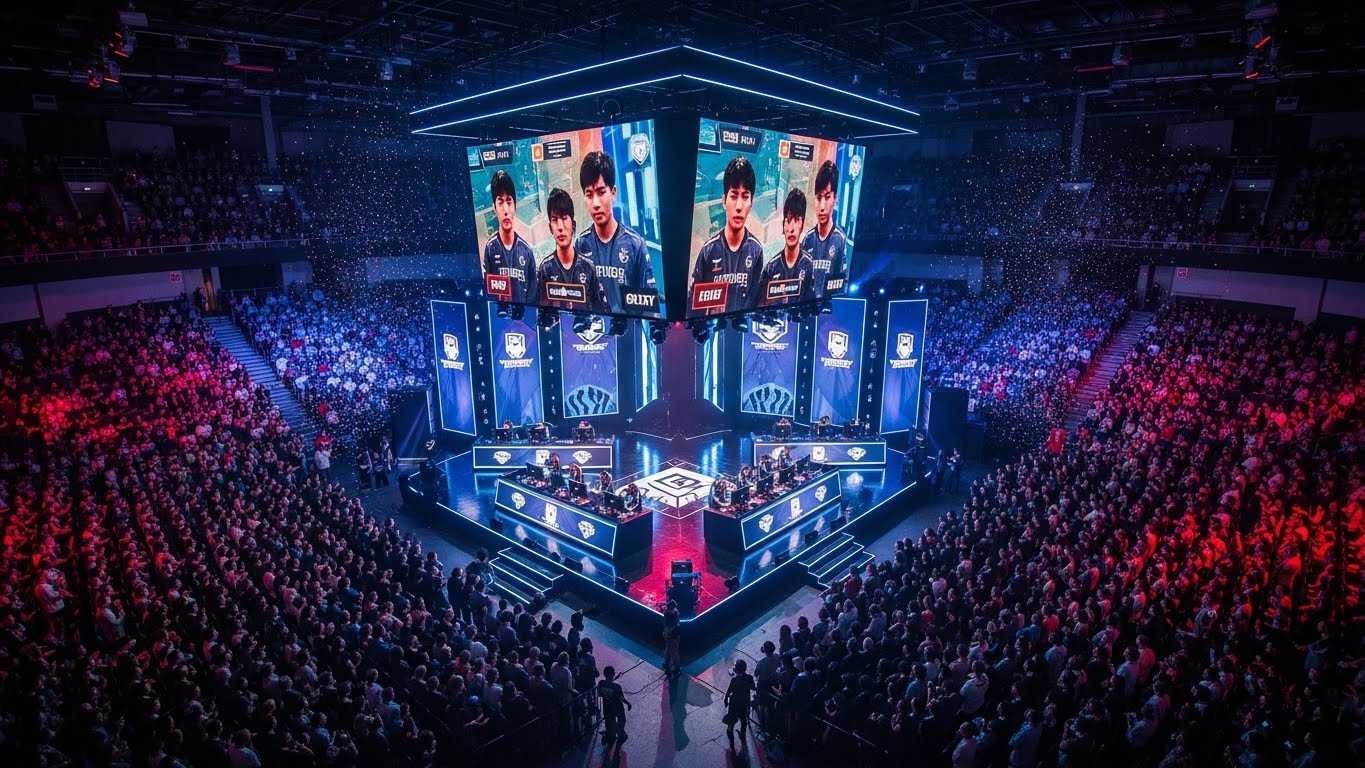
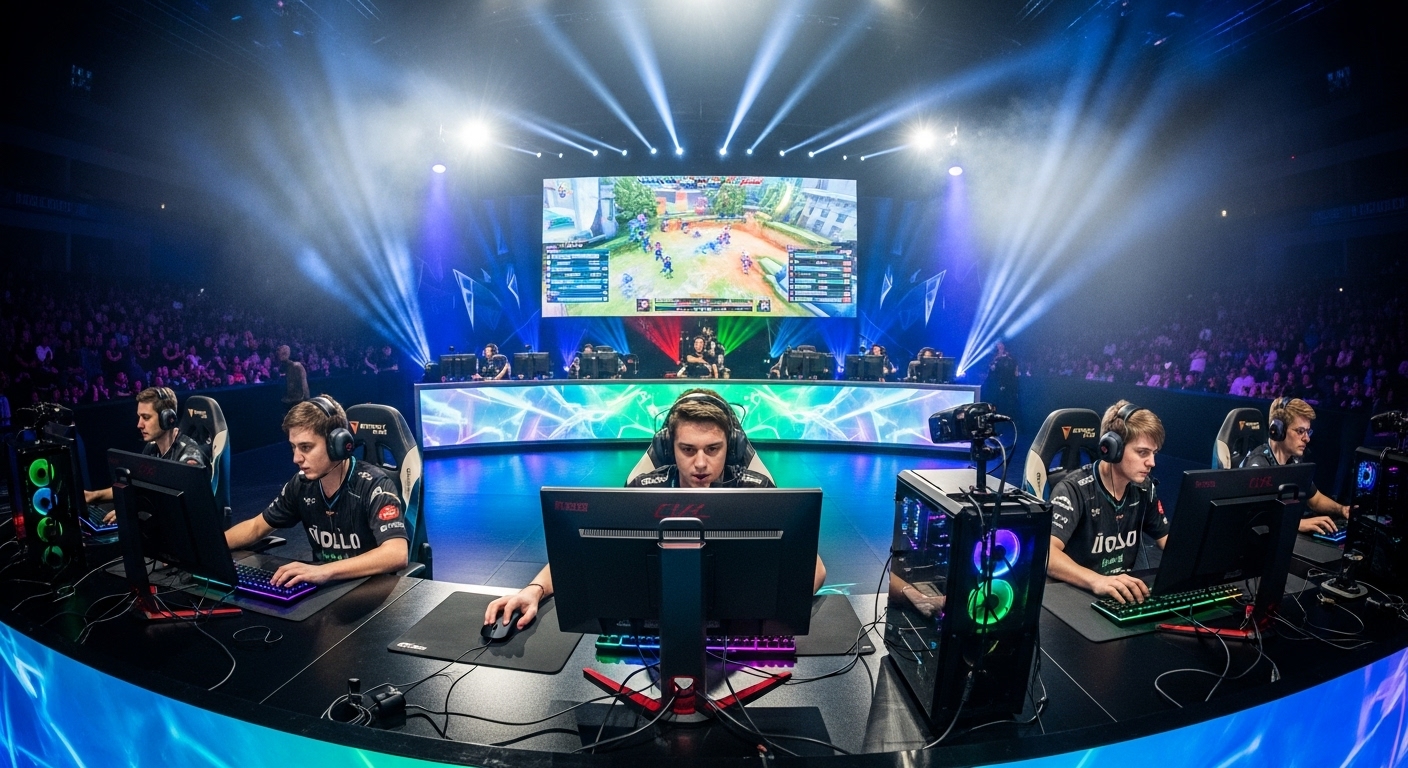
In recent years, esports has evolved from a niche hobby into a global phenomenon. What was once a passion for gamers has now blossomed into a multi-billion-dollar industry, with millions of fans, professional teams, and lucrative sponsorships. Esports, short for electronic sports, refers to organized competitive video gaming, where players or teams compete against each other in video game titles ranging from first-person shooters (FPS) to real-time strategy games and multiplayer online battle arena (MOBA) games. As the world becomes more digitally connected, esports has rapidly moved from the fringes of gaming culture to mainstream entertainment. But how did esports become the global force it is today? What are its defining characteristics? And what does the future hold for this rapidly growing industry?
A Brief History of Esports
Esports is far from a recent phenomenon. Competitive video gaming dates back to the 1970s when arcade games like Pong and Space Invaders started to attract players who wanted to challenge one another for high scores. However, it wasn’t until the 1990s that organized esports began to take shape, with titles like Street Fighter II and Quake bringing players together in tournaments. The Red Annihilation Tournament held in 1997 for the game Quake is often regarded as one of the first major esports events, where the winner received a Ferrari as a prize.
The real turning point came in the early 2000s when games like StarCraft, Warcraft III, and Counter-Strike introduced more sophisticated multiplayer mechanics, creating the foundation for modern esports. The growth of internet cafes, particularly in South Korea, also played a huge role in the rise of competitive gaming. It was in South Korea that esports first gained significant mainstream attention, with televised tournaments and professional leagues emerging around games like StarCraft. By the mid-2000s, esports was no longer just a hobby—it was an organized and lucrative industry.
The Mainstream Explosion: Esports in the 2010s
The 2010s saw esports explode into a global cultural phenomenon. The rise of live streaming platforms such as Twitch and YouTube Gaming made it easier for players to share their gameplay with audiences around the world. Competitive gaming also gained significant exposure through large-scale tournaments like The International (for Dota 2), League of Legends World Championship, and Overwatch League. These events attracted millions of viewers and offered multi-million dollar prize pools, catapulting esports into the mainstream.
During this time, major brands from outside the gaming industry began to take notice. Companies like Coca-Cola, Intel, and Red Bull began sponsoring events and players, while television networks and streaming platforms signed exclusive broadcasting deals. Esports became a multi-faceted industry with players, coaches, analysts, broadcasters, and event organizers all contributing to the ecosystem. By 2019, the global esports market was valued at over $1 billion, with no signs of slowing down.
The Players: The Stars of the Digital Arena
One of the most intriguing aspects of esports is the players themselves. Unlike traditional sports, where physical prowess is the primary determinant of success, esports players rise to prominence based on their skill, strategy, and teamwork in a digital arena. Players often specialize in specific games, and the top-tier professionals are viewed as celebrities within their communities.
Take League of Legends (LoL), for example—one of the most popular and competitive esports titles in the world. The game has a thriving professional scene with regional leagues in North America, Europe, China, and Korea. Players such as Faker, Uzi, and Doublelift have become household names, with legions of fans following their every move. Esports professionals often train for hours each day, honing their skills, studying opponents, and working with coaches to improve their strategies.
Esports players face unique challenges. While traditional athletes must maintain physical fitness, esports players need to focus on mental sharpness, reflexes, and hand-eye coordination. The grind of practice and competition can be incredibly intense, with some players retiring as early as their mid-20s due to the mental and physical toll the industry takes.
The Esports Ecosystem: Teams, Tournaments, and Fans
The world of esports is more than just players and games. It’s a vibrant ecosystem that involves numerous stakeholders, from organizations to fans. Professional esports teams have become central to the industry, much like traditional sports teams. Organizations such as Team Liquid, Cloud9, T1, and Fnatic have built large fan bases and invested heavily in creating successful franchises across multiple games.
In these teams, players are not only required to compete at the highest level but also to engage with their fans. Social media plays an essential role in connecting players with their audience. Fans often follow players on platforms like Twitter and Instagram, watch live streams on Twitch, and interact with teams during match days. Esports organizations are also becoming increasingly professionalized, with team owners, coaches, analysts, and support staff all working together to create winning teams.
Tournaments are at the heart of the esports scene, and they often draw in millions of viewers. Major events like The International for Dota 2 and the League of Legends World Championship are among the most-watched live events in the world, competing with traditional sports in terms of viewership. These tournaments also feature massive prize pools, sometimes exceeding $30 million, which makes them one of the highest-paying forms of competition in the world.
Esports fans are highly engaged, and fan loyalty runs deep. In some regions, esports is more popular than traditional sports. For example, in South Korea, games like StarCraft and League of Legends have fan followings that rival those of soccer or basketball. Esports fans are also diverse, with players and viewers spanning across ages, genders, and geographical locations. Many fans feel an emotional connection to their favorite players or teams, creating a passionate and vibrant community.
Sponsorships, Revenue, and the Business of Esports
As esports has grown, so has its financial potential. Sponsorships, advertising, and media rights deals make up a large portion of esports’ revenue streams. Top-tier esports events attract major companies, and sponsorships from global brands like BMW, Audi, and Nike are now common. In fact, some of the biggest esports events have prize pools that are funded entirely through crowdfunding, where fans contribute to the pot in exchange for in-game rewards and other perks.
Esports has also become a lucrative avenue for streamers. Platforms like Twitch allow players to earn money not just from tournament winnings but also through donations, subscriptions, and brand partnerships. The rise of “content creators” in esports has turned some players into full-time broadcasters, producing content that appeals to a wider audience. Streamers like Ninja, Shroud, and Pokimane have transcended gaming and become mainstream celebrities, making money from multiple sources, including YouTube channels, brand deals, and exclusive platform deals.
Furthermore, venture capitalists and tech companies have begun investing heavily in esports. In 2020, the global esports market was valued at over $1 billion, with projections showing that it could reach $3 billion by 2025. Much of this growth can be attributed to increased sponsorships, media rights deals, merchandising, and the rise of esports betting. As more companies and investors get involved, esports is on track to continue growing into a more diverse and commercially successful industry.
The Future of Esports: Challenges and Opportunities
Looking ahead, esports faces several challenges and opportunities. One of the biggest challenges is ensuring its sustainability. While esports has grown rapidly in recent years, its future will depend on maintaining a balance between competition, entertainment, and financial viability. As more teams, sponsors, and organizations enter the space, the risk of oversaturation could lead to a decline in fan engagement or diminished prize pool values.
Another challenge is the perception of esports as a legitimate sport. While esports has garnered mainstream attention, there are still critics who argue that video gaming cannot be compared to traditional sports. Overcoming this stigma will require continued effort in establishing professional leagues, promoting healthy competition, and demonstrating the skills required to excel in the digital arena.
However, the future of esports is undeniably bright. With advances in technology, including virtual reality (VR) and augmented reality (AR), the gaming experience will continue to evolve, leading to new forms of competition. New game genres will emerge, expanding the variety of esports titles, and innovations in broadcasting and live streaming will bring fans closer to the action. Esports could even see its debut in the Olympic Games, further cementing its status as a global sport.
Conclusion: The Digital Frontier
Esports has come a long way from its humble beginnings in the 1970s. Today, it is a global powerhouse, attracting millions of players, fans, and investors alike. With the rise of streaming, sponsorships, and massive tournaments, esports has created an entirely new digital landscape where competition is king. Whether you are a player, fan, or spectator, esports offers an exciting and dynamic world to explore. As technology continues to advance and the esports ecosystem matures, the future of competitive gaming looks incredibly promising. The battlegrounds of esports are only just beginning to take shape—and who knows what the future holds for this thrilling, high-octane digital sport.