
Introduction
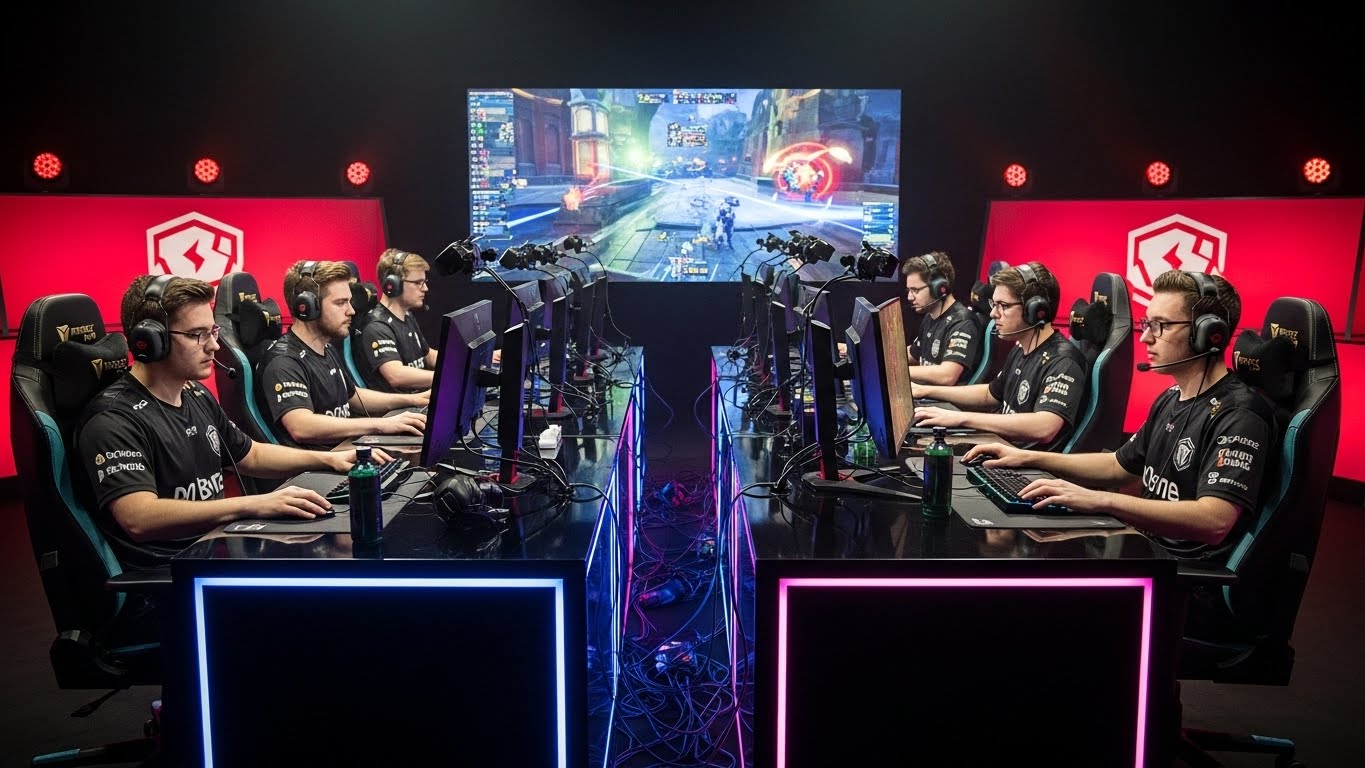
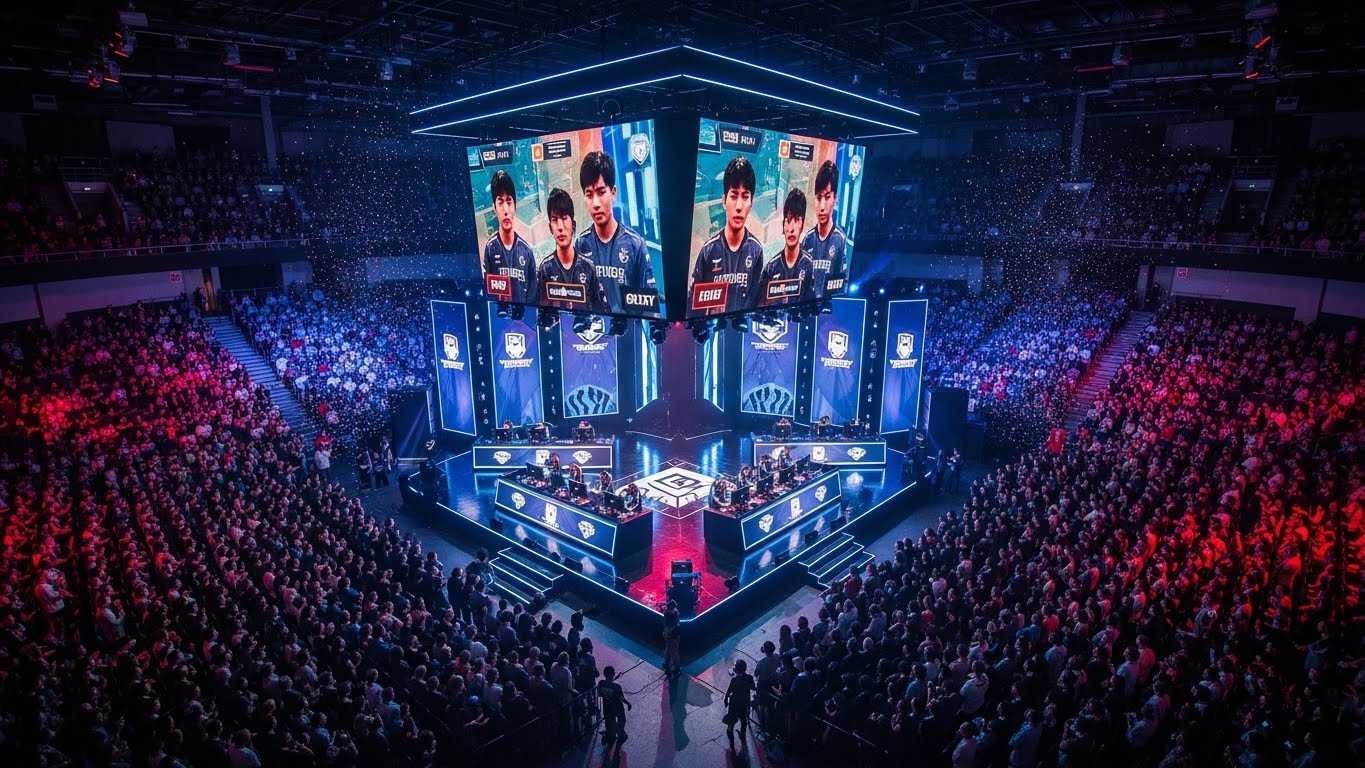
In the past few decades, a quiet revolution has been taking place within the world of entertainment, one that has transformed the way we think about sports and competition. Esports, or competitive video gaming, has emerged as a global phenomenon. Once considered a niche interest for a select few, esports has blossomed into a multi-billion-dollar industry that rivals traditional sports in terms of viewership, fan engagement, and revenue generation. From professional tournaments with millions of dollars in prize money to packed arenas filled with passionate fans, esports has proven that digital competition has a place on the world stage.
As esports continues to grow, it’s important to understand the dynamics of this vibrant industry—how it began, what makes it so appealing, and how it is influencing the future of both entertainment and sports. In this blog post, we will explore the rise of esports, the factors that contribute to its success, and the potential it holds for the future.
The Origins of Esports: From Hobby to Global Phenomenon
Esports didn’t emerge overnight. Its roots can be traced back to the early days of gaming in the 1970s and 1980s, when gaming enthusiasts began organizing informal competitions. The first known gaming tournament, the “Space Invaders Championship,” was held in 1980 and drew thousands of participants. However, it wasn’t until the late 1990s and early 2000s, with the rise of online multiplayer games, that esports truly began to gain traction.
Games like “StarCraft” and “Quake” were among the early pioneers of competitive gaming, bringing players together across the globe to face off in tournaments. In South Korea, the rise of professional gaming leagues, particularly around the game “StarCraft,” established a foundation for esports that would grow exponentially. By the mid-2000s, gaming companies and broadcasters began to recognize the potential of esports as a viable form of entertainment, and the first esports leagues and tournaments, such as Major League Gaming (MLG) in the United States, were born.
The 2010s marked the explosive growth of esports, with games like “League of Legends,” “Dota 2,” and “Counter-Strike: Global Offensive” leading the way. Today, esports competitions are broadcast worldwide, drawing millions of viewers both in person and online.
The Appeal of Esports: Why It Captivates Audiences
One of the key reasons esports has captured the imagination of millions is its accessibility. Unlike traditional sports, esports doesn’t require expensive equipment or specialized training to get started. With a computer or gaming console and an internet connection, anyone can jump into a game and begin competing. This accessibility has made esports particularly popular among younger generations, who have grown up with gaming as part of their daily lives.
Another major factor contributing to the popularity of esports is the sheer variety of games available. From real-time strategy games like “StarCraft” to battle royale titles like “Fortnite” and “Apex Legends,” there is something for every type of gamer. Whether you’re into fast-paced action, tactical decision-making, or cooperative play, esports offers a diverse range of experiences that keep audiences engaged.
The global reach of esports is also a key driver of its success. With live streaming platforms like Twitch, YouTube Gaming, and Facebook Gaming, fans can watch their favorite players and teams compete from anywhere in the world, creating a sense of community and global connection. Esports tournaments, such as The International (for “Dota 2”) and the League of Legends World Championship, attract millions of viewers, often rivaling traditional sports events in terms of online viewership.
Esports as a Profession: The Rise of the Professional Gamer
One of the most fascinating aspects of esports is the transformation of competitive gaming from a hobby into a legitimate profession. Just as athletes in traditional sports dedicate their lives to training and competition, professional gamers undergo rigorous training regimens to sharpen their skills and stay at the top of their games.
Esports players can make a substantial income from tournament winnings, sponsorships, streaming, and merchandise sales. Some of the highest-paid esports players in the world, such as Johan “N0tail” Sundstein and Kyle “Bugha” Giersdorf, have earned millions of dollars over the course of their careers. This financial success has helped esports shed its image as a “nerdy pastime” and turn it into a legitimate career path for talented gamers.
However, becoming a professional esports player is no easy feat. It requires immense dedication, countless hours of practice, and a deep understanding of the games being played. Players often train for up to 12 hours a day, fine-tuning their strategies, learning new techniques, and competing against other top players to maintain their position in the rankings.
In addition to the players themselves, there are a variety of support roles that help make esports a successful industry. Coaches, analysts, team managers, and other staff members work behind the scenes to ensure that players are prepared and that teams perform at their best. Esports organizations have become akin to traditional sports franchises, complete with management teams, sponsors, and brand deals.
The Growing Esports Industry: A Multi-Billion-Dollar Ecosystem
Esports is no longer just about the players; it’s an entire ecosystem involving tournament organizers, sponsors, broadcasters, and fans. The esports industry has seen exponential growth in terms of revenue, with estimates putting the global esports market at over $1 billion annually. Major companies, from tech giants like Intel and Nvidia to beverage brands like Red Bull and Coca-Cola, have recognized the advertising potential of esports and are now major sponsors of tournaments, teams, and events.
Streaming platforms like Twitch have played a major role in the commercialization of esports. Streamers, who broadcast their gameplay to millions of viewers, can earn significant revenue through ads, sponsorships, and donations from their fanbases. The rise of platforms like YouTube Gaming and Facebook Gaming has further fueled the growth of esports content consumption.
In addition to traditional sponsorships and ad revenue, esports has also seen an increase in betting and fantasy esports leagues. Similar to traditional sports betting, esports betting allows fans to wager on the outcomes of matches, adding an additional layer of excitement and engagement to the experience. This growing financial interest has made esports a key player in the broader entertainment and sports industries.
Esports and Traditional Sports: A Symbiotic Relationship
Esports and traditional sports have often been seen as separate entities, but there is a growing synergy between the two. Many traditional sports leagues, including the NBA, NFL, and European football clubs, have invested heavily in esports, either by sponsoring teams or even creating their own esports divisions. The NBA’s League of Legends team, the NBA 2K League, is a prime example of how traditional sports organizations are embracing esports as a legitimate form of competition.
This crossover has helped bring legitimacy and mainstream recognition to esports. Esports has also begun to mirror the structures of traditional sports, with organized leagues, draft systems, and franchised teams. The competitive nature of esports makes it a natural fit for traditional sports organizations, who recognize the potential to tap into a younger, tech-savvy audience.
In addition, many professional athletes are now involved in esports, either as sponsors, team owners, or players themselves. NBA stars like Shaquille O’Neal and Michael Jordan have invested in esports teams, and other athletes have used esports as a way to connect with fans in a new and exciting way. This blending of esports with traditional sports has helped elevate the legitimacy and cultural relevance of both industries.
The Future of Esports: Endless Possibilities
As esports continues to evolve, its future looks incredibly bright. One of the most exciting prospects is the potential for esports to become a part of the Olympic Games. The International Olympic Committee (IOC) has already expressed interest in exploring the inclusion of esports, recognizing the growing popularity and global reach of competitive gaming. While challenges remain in terms of defining what constitutes an “esport,” the possibility of seeing esports alongside traditional Olympic sports is no longer a distant dream.
The rise of virtual reality (VR) and augmented reality (AR) is also poised to revolutionize the esports landscape. VR gaming offers a level of immersion that could bring esports to new heights, allowing players and spectators to experience tournaments in an entirely new way. Imagine watching a first-person shooter competition from the perspective of the players themselves, or participating in an interactive esports event using VR technology. The potential for innovation is limitless.
Additionally, esports will continue to expand globally, with new regions and countries joining the competitive gaming scene. As internet access and infrastructure improve in emerging markets, esports will likely become even more accessible to a wider audience.
Conclusion
Esports has come a long way from its humble beginnings in the early days of competitive gaming. Today, it is a global phenomenon, attracting millions of viewers and players from around the world. The appeal of esports lies not only in its accessibility and variety but also in its ability to connect people across cultures and generations. As the industry continues to grow, esports is poised to become a dominant force in the world of entertainment, shaping the future of competition, leisure, and digital culture.
From professional gaming leagues to mainstream recognition, esports has firmly established itself as an integral part of the modern entertainment landscape. The future of esports is bright, and its potential is only beginning to be realized. As technology advances and more fans get involved, esports will continue to redefine what it means to compete, connect, and entertain in the digital age.