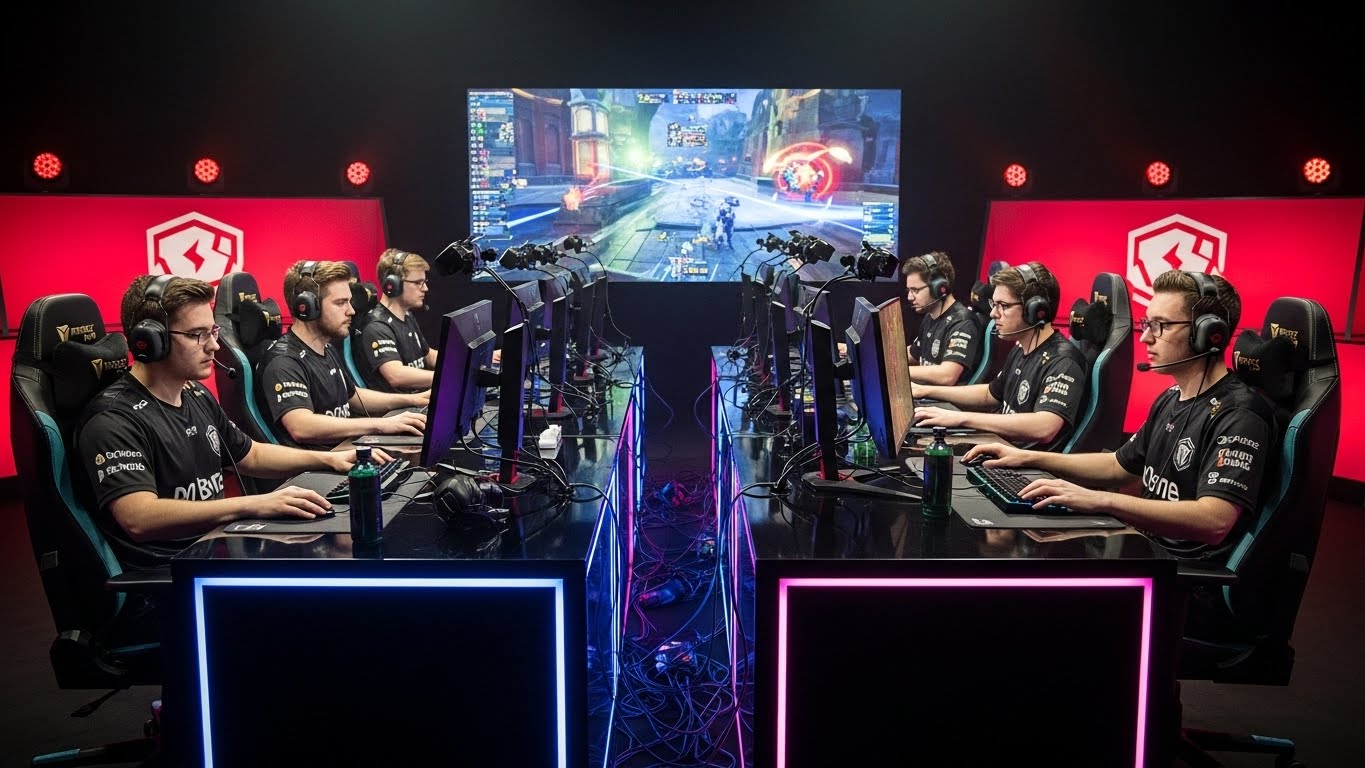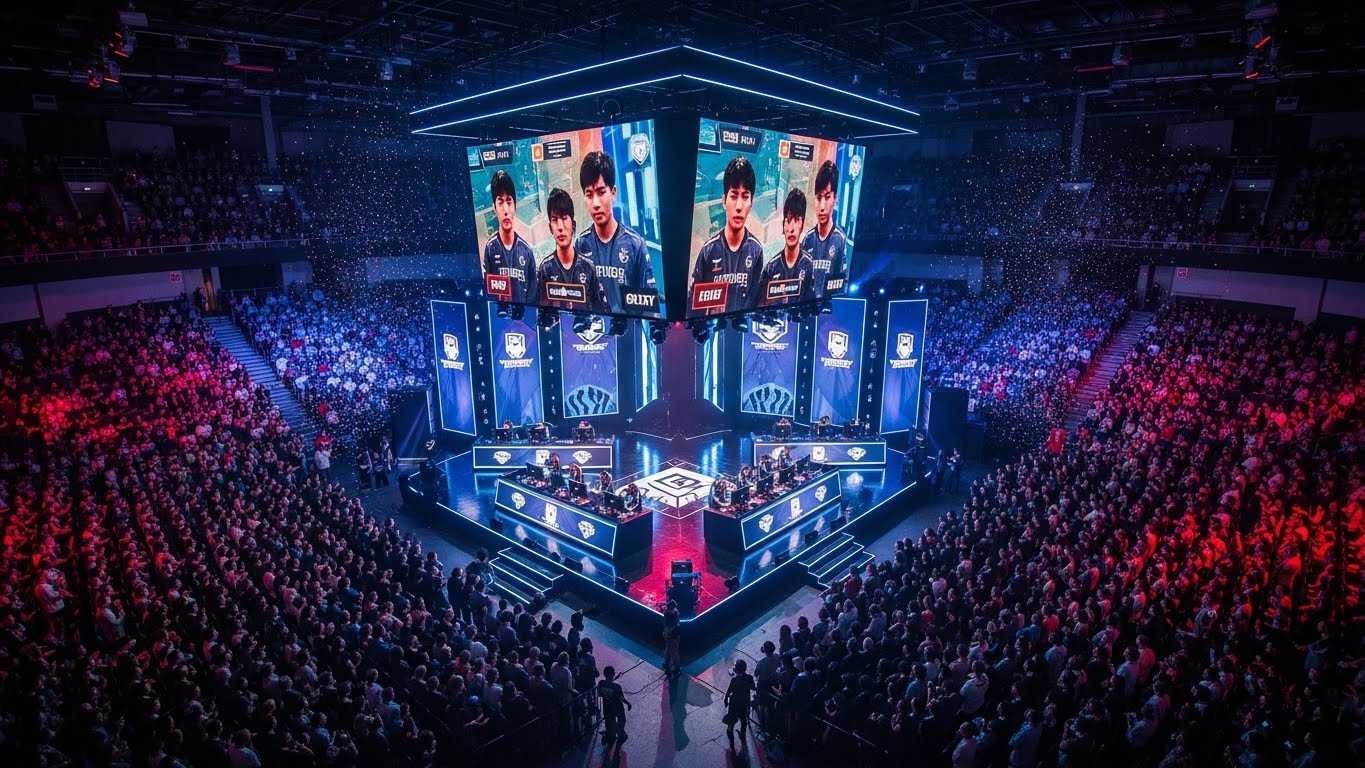

In a world where entertainment options are ever-expanding, one industry has not only carved a niche but has rapidly grown into a global phenomenon. Esports, or competitive video gaming, has evolved from casual player versus player competitions to a massive professional industry, generating billions of dollars in revenue and attracting millions of passionate fans worldwide. Once regarded as a pastime for gamers, esports now holds the spotlight, challenging traditional sports for dominance in the entertainment sector.
Esports represents the intersection of technology, entertainment, and competition. In this blog post, we will explore how esports came to be, why it has seen such incredible growth, the key players and teams driving its success, and the challenges the industry faces as it continues to evolve. We will also look ahead at what the future holds for competitive gaming and its place in global culture.
The Origins of Esports: From Arcades to Online Competitions
Esports didn’t appear overnight. Its roots trace back to the early days of video gaming in the 1970s when players competed in local arcades for high scores. However, the first recognized competitive gaming event occurred in 1972 when Stanford University hosted the “Intergalactic Spacewar Olympics,” featuring the game Spacewar! This event, while small and relatively informal, set the stage for what would later become a global phenomenon.
Fast forward to the 1990s, when the rise of personal computers and the internet gave birth to the first wave of online multiplayer games. Titles such as Quake, StarCraft, and Warcraft allowed players to compete against one another across vast distances, making competitions much more accessible. It was during this era that organized gaming tournaments started to gain traction, with early competitions like the Cyberathlete Professional League (CPL) emerging.
By the early 2000s, the esports scene began to formalize, with dedicated leagues and tournaments held in major cities worldwide. The development of broadband internet played a pivotal role, as it allowed gamers to connect with one another more easily and reliably. The rise of streaming platforms like Twitch and the advent of games like League of Legends, Dota 2, and Counter-Strike further accelerated the growth of competitive gaming into a professional sport.
The Global Boom of Esports: Accessibility, Streaming, and Community Engagement
Several key factors have contributed to the meteoric rise of esports over the past decade. Esports has not only become a competitive pursuit for talented players but also a form of entertainment that attracts millions of fans around the world.
- Global Accessibility
One of the main reasons esports has gained widespread popularity is its accessibility. Unlike traditional sports, where participants need expensive equipment or facilities to compete, esports only requires a computer or gaming console and an internet connection. This accessibility has made it easier for gamers from all backgrounds and regions to participate, watch, and engage with esports. From mobile games like PUBG Mobile to full-scale PC titles like Fortnite and Valorant, there is something for everyone in esports, catering to different interests, skill levels, and hardware capabilities.
Esports has become an avenue for talent discovery. Players who might never have the resources to compete in traditional sports are now able to showcase their skills in virtual arenas, giving rise to stars who once operated in obscurity. As esports continues to grow, its inclusivity allows people from diverse backgrounds and regions to be part of the global conversation.
- Streaming Platforms and Content Creation
The growth of streaming platforms like Twitch, YouTube Gaming, and Facebook Gaming has been another game-changer for esports. These platforms allow viewers to watch live streams of tournaments, interact with players in real-time, and even follow their favorite players and teams on a personal level. The interactive nature of streaming has fostered a sense of community, where fans are not just passive viewers but active participants in the ecosystem.
Streamers and content creators have become an essential part of the esports industry. Many professional players also stream their practice sessions, tournaments, or casual gameplay, allowing fans to connect with them on a deeper level. This level of accessibility and direct communication has created a fan culture around esports that mirrors the community spirit of traditional sports.
- Esports as a Social Experience
Beyond just watching matches, esports has evolved into a social experience. Fans can join online forums, follow social media accounts, and interact with other community members who share their passion. These virtual communities are where much of the discourse around esports happens, from analyzing match results to discussing strategies and even speculating about team changes.
Esports has become more than just a series of events — it has become a cultural movement. Fans identify with teams, players, and organizations, forming long-lasting bonds over their favorite games. This culture has contributed to the rise of esports in mainstream media and entertainment.
The Professional Esports Scene: Teams, Tournaments, and Fame
At the heart of esports is the professional scene, where top-tier players, coaches, analysts, and teams work to compete in high-stakes tournaments. These professionals are not just talented players but also entertainers who train rigorously and strategically, just like athletes in traditional sports.
- Esports Teams and Organizations
Esports teams are organizations that sign professional players to compete in tournaments across various games. Some of the most well-known teams in esports include Team Liquid, Cloud9, Fnatic, and G2 Esports. These teams have created a competitive infrastructure around their players, providing coaching, training facilities, and sponsorships that mirror what is seen in traditional sports.
Esports organizations have begun to extend their reach beyond just one game, with many organizations now fielding teams in multiple titles. The team’s success is not just about individual players but also about teamwork and strategy. As a result, organizations invest in staff beyond players, including analysts, managers, and strategists, who help teams hone their gameplay and gain an edge in competitions.
- Major Esports Tournaments
The landscape of esports is dominated by major tournaments where teams battle it out for large prize pools, fame, and global recognition. These tournaments often become the centerpiece of their respective games’ seasons, attracting massive audiences both in-person and online.
- The International for Dota 2 is widely considered the crown jewel of esports events. With prize pools that exceed $30 million, it’s the largest esports tournament in terms of money, and it draws millions of viewers from all over the world. The competition is known for its drama, suspense, and exceptional skill displayed by the competing teams.
- The League of Legends World Championship is another highly anticipated event in the esports calendar. This tournament attracts millions of viewers, with the most successful teams from around the world battling for the chance to be crowned champions.
- Fortnite World Cup burst onto the scene with its massive $30 million prize pool and captured the attention of mainstream media, further solidifying esports as a legitimate and thriving industry.
These events serve not just as competitions but as cultural milestones for fans, where they gather to celebrate their favorite games, players, and moments in competitive gaming.
- Sponsorship and Media Rights
Esports has drawn significant interest from major brands and corporations. Sponsorships from non-endemic companies like Coca-Cola, Mercedes-Benz, and Intel have flooded the esports scene, recognizing the opportunity to reach a highly engaged and youthful audience. Esports is now a multibillion-dollar industry, and sponsors are eager to align their brands with the competitive and dynamic nature of gaming.
Media rights for esports tournaments are also a growing revenue stream. With large global audiences, media companies have been eager to secure broadcast rights for major esports events. This has further elevated esports, positioning it alongside traditional sports in terms of its reach and commercial potential.
The Challenges Faced by Esports
Despite its tremendous growth, esports still faces several challenges that need to be addressed to ensure its continued development.
- Sustainability of Player Careers
While the financial rewards in esports can be significant, the careers of professional players are often short-lived. The mental and physical strain of training, coupled with the pressures of competition, can lead to burnout. Most players peak in their mid-20s, and career longevity is often limited.
Esports organizations must find ways to support their players’ health, both physically and mentally, while also helping them transition into roles after their playing careers end.
- Cheating and Integrity
As with any competitive field, esports is not immune to cheating. The rise of cheat software and performance-enhancing tools has led to numerous scandals in the esports world. Ensuring the integrity of competitions is a top priority for developers, tournament organizers, and governing bodies, as cheating undermines the credibility and excitement of esports.
- Diversity and Inclusion
Esports, while inclusive in many respects, still has work to do when it comes to diversity, particularly in gender representation. Although the number of female players is rising, they remain underrepresented at the professional level. To ensure that esports is truly inclusive, the community must continue to foster an environment where all individuals feel welcome, regardless of gender, race, or background.
Looking Ahead: The Future of Esports
The future of esports looks bright, with continued growth on the horizon. Advances in technology, including virtual reality and augmented reality, may revolutionize the way esports is played and experienced. These technologies could introduce new forms of competition and offer players and fans an even more immersive experience.
Esports is expected to become a fixture in mainstream media, with more crossover between traditional sports and esports leagues. Esports may even find its way into major sporting events such as the Olympics, as it increasingly aligns with the values of global competition and sportsmanship.
Conclusion
Esports is no longer just a niche activity for gamers. It has evolved into a global industry that rivals traditional sports in both its economic impact and cultural relevance.