Introduction: The Birth of a Digital Revolution
In the early 2000s, very few people could have predicted that video games, once considered a mere form of entertainment, would grow into a billion-dollar global industry known as esports. What began as friendly competitions in local gaming cafés and living rooms has evolved into a professional and highly organized field where players compete for prestige, sponsorships, and life-changing prizes. Esports is not just about playing games anymore—it has become a legitimate career path, a cultural movement, and a symbol of how technology has reshaped the way we experience competition.
The Origins of Competitive Gaming
The roots of esports stretch back to the late 20th century, long before streaming platforms and high-speed internet made online gaming accessible to all. In the 1970s, early video game tournaments like the Space Invaders Championship and Atari’s arcade competitions began introducing the concept of gaming as a spectator sport. Players competed for high scores, recognition, and small prizes, laying the foundation for the competitive spirit that fuels esports today.
The 1990s marked a crucial turning point. With the rise of personal computers and local area network (LAN) parties, multiplayer gaming became more common. Games such as Quake, StarCraft, and Counter-Strike defined early competitive play. These games were not only technically impressive for their time but also introduced the concepts of strategy, teamwork, and skill-based competition that continue to define esports genres today.
The Internet and the Birth of the Esports Era
The late 1990s and early 2000s saw the internet revolution transform gaming forever. For the first time, players could compete with others from across the globe. Broadband connections enabled smooth multiplayer experiences and birthed a new era of online tournaments. Games like StarCraft in South Korea and Counter-Strike in Europe and North America became the focal points of growing communities.
South Korea played a particularly vital role in shaping modern esports. The country embraced gaming culture with unmatched enthusiasm, establishing professional leagues, dedicated TV channels for broadcasting matches, and a system that supported players as athletes. The Korean esports model became a global benchmark, inspiring similar structures in China, Europe, and the United States.
The Explosion of Esports Titles
Esports thrives on variety. Unlike traditional sports that focus on fixed rules and a limited number of games, esports encompasses a broad range of genres. The early 2000s saw titles such as Warcraft III, Unreal Tournament, and Halo gain popularity, but the landscape shifted dramatically in the 2010s with the rise of games like League of Legends, Dota 2, and Counter-Strike: Global Offensive. These games became synonymous with the esports movement.
Each game developed its own competitive ecosystem. For example, Riot Games built League of Legends around a structured global league system, culminating in the annual World Championship, which draws millions of viewers. Valve’s Dota 2 introduced The International, a tournament renowned for its enormous player-funded prize pool. Meanwhile, shooters like Overwatch and Call of Duty attracted audiences seeking fast-paced, team-based action. This diversity ensured that esports appealed to a wide range of audiences, each passionate about their chosen title.
Professionalization and the Rise of Esports Athletes
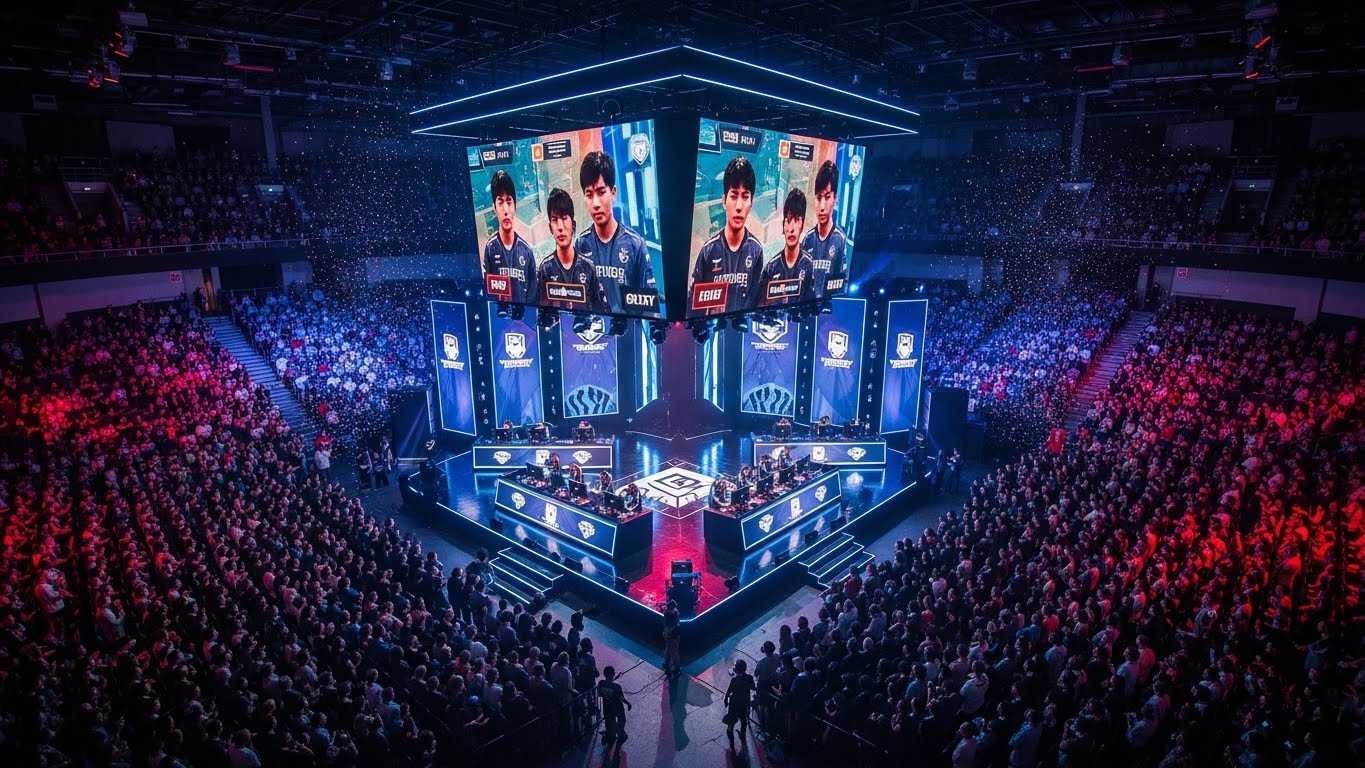
In the beginning, most gamers competed purely for passion and community recognition. However, as audiences grew, so did sponsorships, investments, and prize pools. What started as small gatherings evolved into major international tournaments held in packed stadiums. Players transitioned from hobbyists to professionals, complete with salaries, contracts, and endorsements.
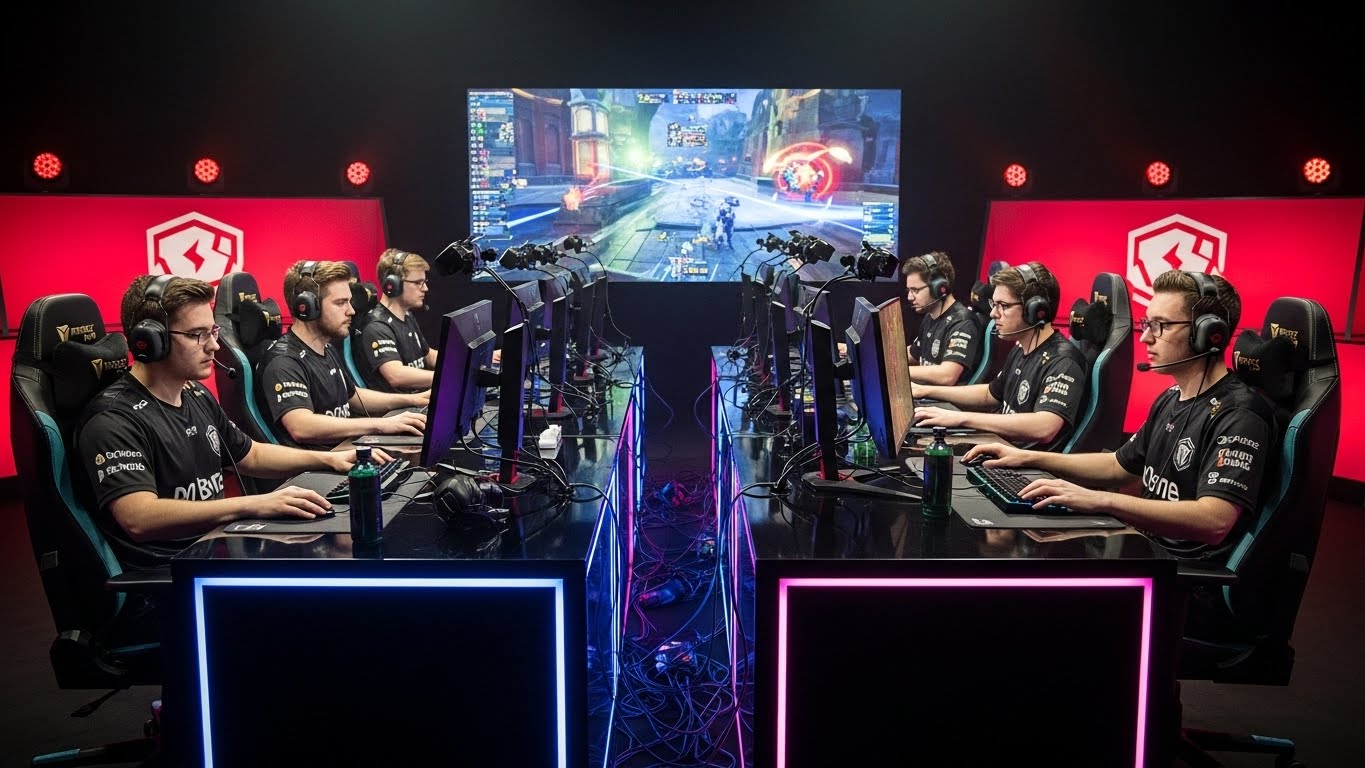
Professional esports players train intensively, often practicing for more than ten hours a day. They analyze strategies, study opponents, and work with coaches and analysts to improve performance. The lifestyle demands discipline, teamwork, and mental resilience. Despite lingering stereotypes about gaming being a casual hobby, esports athletes now embody the same dedication seen in traditional sports competitors.
Organizations such as Team Liquid, Fnatic, T1, and Cloud9 have become household names within the gaming world. These organizations manage multiple teams across different games, offering players structured environments, healthcare, and psychological support. This level of professionalism has legitimized esports as a true sporting discipline.
Streaming, Spectatorship, and the Power of Platforms
One of the biggest reasons esports became mainstream is the rise of online streaming platforms. In the early 2010s, platforms like Twitch, YouTube Gaming, and Facebook Gaming gave fans easy access to live broadcasts of tournaments and casual streams by their favorite players. This accessibility transformed esports into a global spectacle.
Streaming not only allowed fans to watch matches but also to interact with players in real time. The barrier between professional athletes and audiences became smaller than ever. Fans could comment, cheer, and even learn strategies directly from the best players. This interactivity helped create loyal communities and gave rise to gaming influencers who command millions of followers.
Traditional media also took notice. Television networks began broadcasting esports tournaments, and universities started offering esports scholarships. With millions of viewers tuning in to world championships, esports events began rivaling major traditional sports broadcasts in terms of audience size.
Esports Economics: An Industry of Opportunity
The financial growth of esports has been staggering. According to industry reports, esports has surpassed the billion-dollar revenue mark, driven by sponsorships, advertising, media rights, and merchandise. Major corporations, from tech giants to energy drink brands, have invested heavily in esports sponsorships, recognizing its power to reach younger demographics.
Prize pools have become equally impressive. The International, Dota 2’s flagship event, often offers multi-million-dollar rewards, funded by player purchases within the game. League of Legends championships attract sponsorships from global companies and boast spectacular production quality. This financial ecosystem sustains not just players and teams but also event organizers, broadcasters, and content creators who form the wider esports community.
Esports has also become a job generator. Beyond players and coaches, the industry now employs managers, production crews, commentators, analysts, marketing professionals, and event coordinators. Esports arenas and facilities have been built worldwide, blending technology with entertainment to create immersive fan experiences.
The Role of Esports in Modern Youth Culture
For today’s generation, esports is more than a pastime—it’s a lifestyle and identity. Many young people look up to professional gamers as role models, much like previous generations admired traditional athletes or musicians. The digital nature of esports aligns perfectly with the habits of modern youth, who spend much of their lives online.
Esports has also influenced fashion, music, and even education. Popular players collaborate with clothing brands, and tournament soundtracks feature mainstream artists. Schools and universities now include esports management courses, recognizing the growing demand for professionals in this sector. The fusion of entertainment, technology, and competition makes esports a central pillar of 21st-century youth culture.
Challenges and Controversies in the Esports Industry
Despite its rapid rise, esports faces several challenges that threaten to slow its momentum. One of the primary concerns is player burnout. The intense training schedules and constant travel can lead to physical and mental exhaustion. Unlike traditional sports, esports is still developing standardized health and career management systems for its athletes.
Another issue is regulation. Since esports spans multiple countries and games, there is no universal governing body overseeing competition standards, contracts, or anti-cheating policies. This lack of consistency sometimes results in disputes, uneven prize distributions, and ethical concerns.
Cheating and match-fixing have also plagued certain tournaments. As with any competitive environment, the temptation to exploit systems for advantage remains high. Developers and organizers have responded by introducing advanced anti-cheat technologies and stricter penalties.
Toxic behavior within gaming communities is another area of concern. Developers and tournament organizers have made efforts to promote inclusivity and respect, but online anonymity can foster hostility. Ensuring a positive environment for both players and fans remains an ongoing challenge.
Esports and Technology: The Symbiotic Relationship
The relationship between esports and technology is deeply intertwined. Advances in graphics, internet speed, and gaming hardware have directly fueled esports’ evolution. Cloud gaming and high-refresh-rate monitors have made competitive gaming more accessible and immersive. Artificial intelligence is now used to analyze gameplay patterns, predict outcomes, and optimize team strategies.
Virtual reality (VR) and augmented reality (AR) also promise to reshape esports in the near future. Imagine spectators watching a live match projected in 3D from their living rooms or competing in physically interactive virtual arenas. As these technologies mature, esports will continue to lead innovation in digital entertainment.
Moreover, blockchain and digital ownership models are beginning to influence the esports economy. In-game assets, collectibles, and fan engagement platforms now allow audiences to interact with tournaments in new ways. The blending of gaming, finance, and community participation points to a future where esports becomes even more integrated into the broader digital economy.
The Globalization of Esports
Esports is a truly global phenomenon. From Seoul to Los Angeles, from Shanghai to Stockholm, tournaments bring together players and fans across borders. This worldwide appeal has made esports a vehicle for cultural exchange and diplomacy. Teams often consist of members from different continents, working together seamlessly in virtual environments.
Different regions have carved their own niches. Asia remains the powerhouse, particularly in strategy and mobile games. Europe has excelled in first-person shooters and tactical titles, while North America dominates the business and entertainment side of the industry. The Middle East, Latin America, and Africa are now rapidly emerging as new markets, driven by mobile technology and growing youth populations.
The inclusivity of esports also extends to gender and accessibility. While the industry still has work to do to achieve gender parity, increasing efforts are being made to support women’s leagues and diverse representation. Accessibility initiatives ensure that people with disabilities can also participate and compete at high levels.
Esports and Traditional Sports: A Convergence
Initially, many traditional sports organizations viewed esports as competition. However, over time, the relationship has become collaborative. Major sports franchises have invested in esports teams, while esports organizations adopt professional management practices inspired by traditional athletics.
Sports simulation games such as FIFA, NBA 2K, and Formula 1 Esports have blurred the lines between virtual and physical sports. During global events where physical gatherings were restricted, esports provided continuity for fans hungry for competition. Even athletes from conventional sports have taken to gaming as both a hobby and a form of cross-promotional engagement.
This convergence is also educational. Sports analytics, fitness regimes, and psychology programs designed for traditional athletes are now being adapted for esports professionals. As both industries share best practices, the boundary between them continues to fade.
Education, Scholarships, and the Future Workforce
Esports has made its way into academia, signaling a major cultural shift. Universities around the world now offer esports scholarships, degrees in esports management, and even dedicated arenas for student teams. These programs go beyond gaming—they teach event management, digital marketing, content creation, and broadcasting, preparing students for a range of careers in the gaming industry.
High schools have also introduced esports clubs, promoting teamwork, communication, and problem-solving. Educators increasingly recognize that gaming can foster cognitive skills such as strategic thinking and adaptability. With the global digital economy expanding, esports education may become a cornerstone of future vocational and academic programs.
The Future of Esports: Where Innovation Meets Imagination
Looking ahead, the trajectory of esports shows no sign of slowing down. New technologies, games, and audience experiences will continue to push boundaries. Mobile esports, for instance, is growing rapidly, especially in regions where smartphones are more accessible than PCs or consoles. Titles like PUBG Mobile and Mobile Legends have already created massive competitive ecosystems.
Esports will also continue to influence mainstream entertainment. Collaborations between game developers, musicians, and filmmakers are becoming increasingly common. The storytelling potential of esports—its rivalries, underdog victories, and global fanbase—offers endless opportunities for documentaries, films, and even interactive viewing experiences.
As the metaverse concept develops, esports may become one of its central pillars. Virtual arenas where players and fans coexist in shared digital spaces could redefine what it means to attend a tournament. In such a world, physical boundaries will no longer limit participation, making esports one of the most inclusive forms of competition on the planet.
Conclusion: The Legacy of Esports
Esports is no longer a niche hobby—it is a cultural and economic powerhouse that symbolizes the merging of technology, competition, and creativity. From humble arcade beginnings to multimillion-dollar arenas, esports has proven that digital competition can inspire just as much passion and unity as any physical sport.
It represents the future of entertainment, where interactivity replaces passivity, and skill and strategy are celebrated in new and dynamic ways. For players, fans, and creators alike, esports is more than just a game—it is a testament to how human ingenuity and digital evolution can come together to build something extraordinary.
As the world continues to change, one thing remains certain: the spirit of competition is eternal, and in the digital age, that spirit has found its ultimate expression in esports.