Introduction
In the past few decades, the world of gaming has evolved from a casual pastime into a full-fledged global phenomenon. Esports, or electronic sports, have transformed the concept of competitive entertainment, blending technology, skill, and strategy into a new form of digital sport. From local gaming cafes to sold-out stadiums, esports have captured the attention of millions across the globe. This digital revolution has not only changed how games are played but also how they are perceived, giving rise to professional players, massive tournaments, and even academic programs dedicated to the art of gaming.
The Birth of Esports
The roots of esports can be traced back to the early days of arcade gaming in the late 1970s and early 1980s. Titles like Space Invaders and Pac-Man sparked friendly competitions among players aiming for the highest score. The first recorded video game competition took place in 1972 at Stanford University, where students competed in the game Spacewar!. However, it was not until the 1990s, with the rise of personal computers and the internet, that competitive gaming began to take a more organized form.
Games like Doom, Quake, and StarCraft laid the foundation for multiplayer tournaments, allowing players to connect online and test their abilities against others worldwide. The emergence of broadband internet and online gaming platforms made global competitions possible, setting the stage for esports as we know it today.
The Rise of Competitive Gaming Culture
The 2000s marked a turning point for esports, as professional tournaments began to emerge with significant prize pools. South Korea, in particular, played a crucial role in shaping esports culture. The government recognized gaming as a legitimate industry, and professional gaming leagues were formed. StarCraft became a national obsession, with televised matches and celebrity gamers gaining household fame.
This cultural shift inspired other countries to follow suit. In North America, Europe, and China, esports organizations began forming around popular titles such as Counter-Strike, Warcraft III, and Defense of the Ancients. As technology advanced, streaming platforms and high-speed internet allowed fans to watch their favorite players live, bridging the gap between gamers and audiences.
Esports Becomes a Global Industry
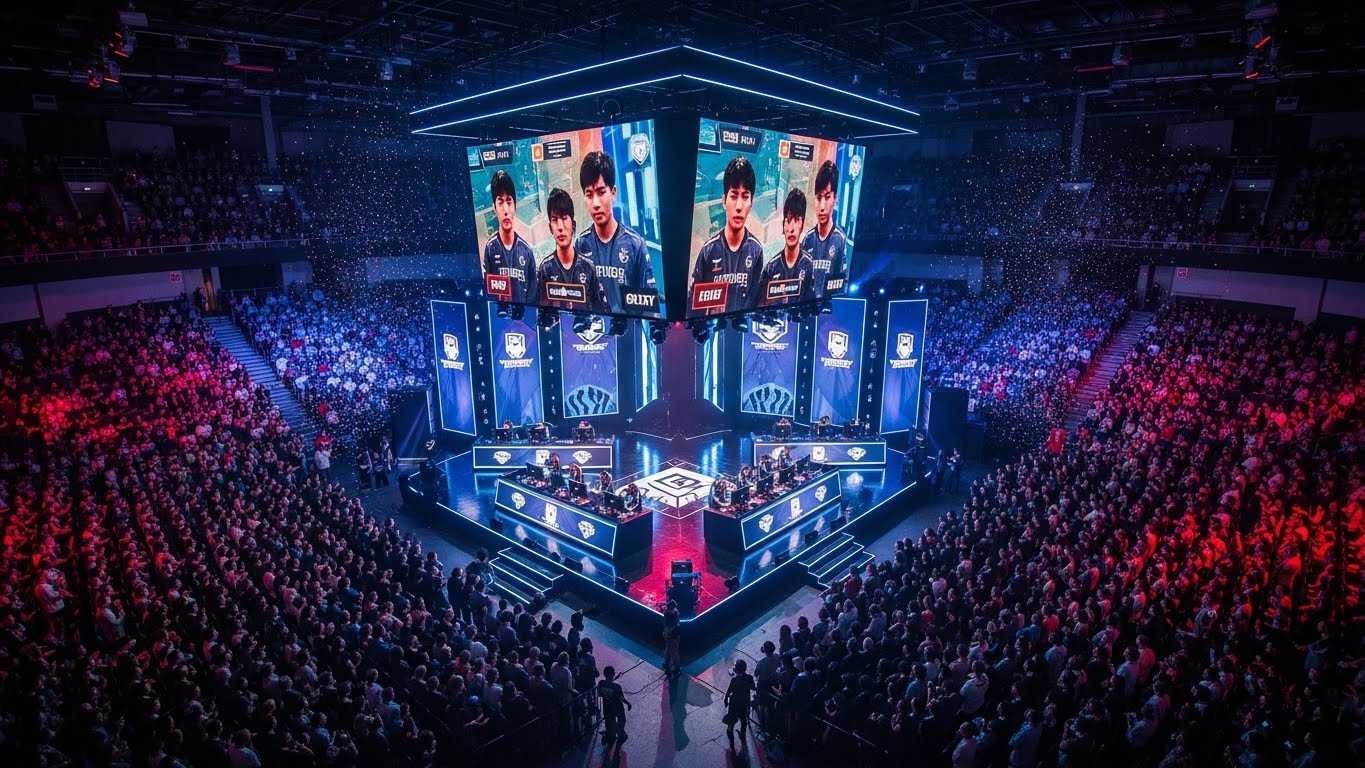
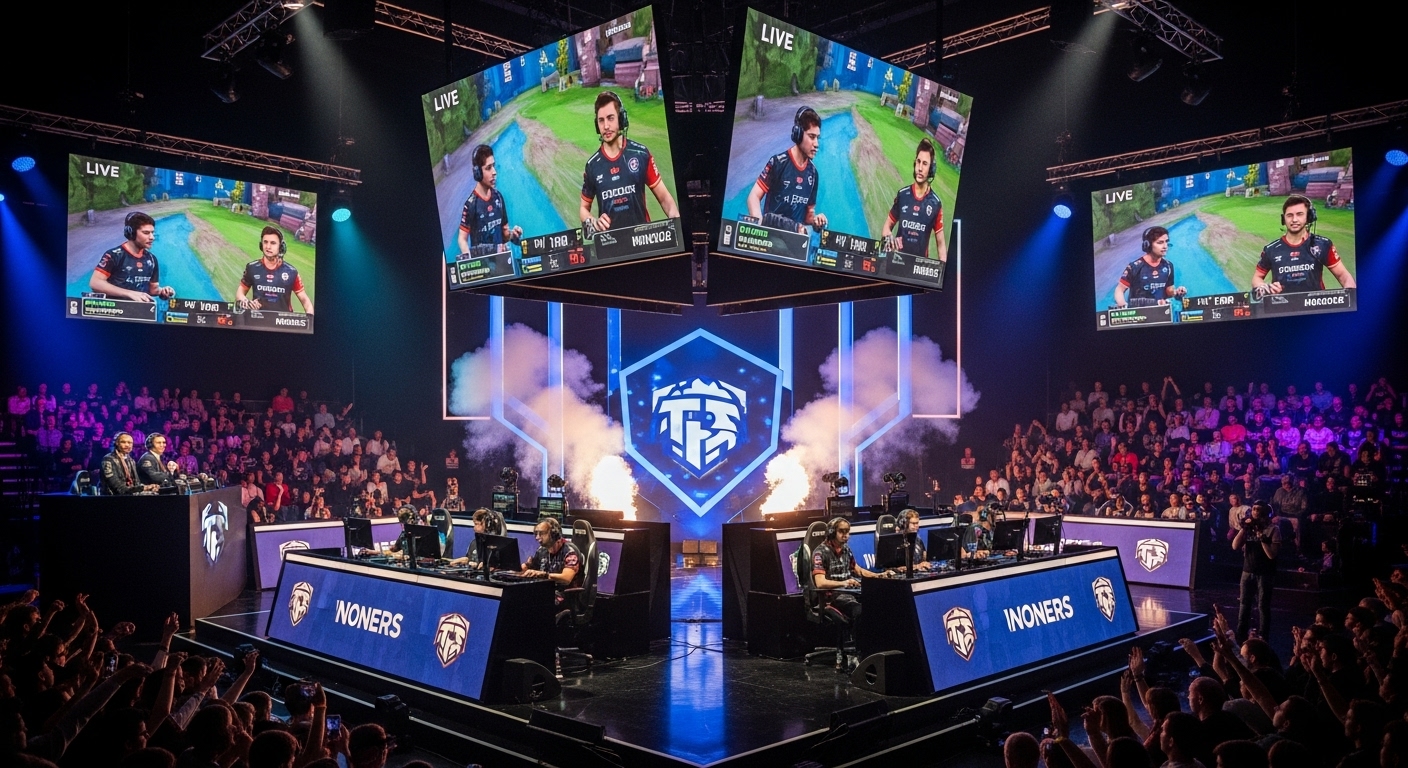
Today, esports is no longer a niche activity—it is a multi-billion-dollar industry. Major tournaments such as The International for Dota 2, the League of Legends World Championship, and Fortnite World Cup attract millions of viewers and offer prize pools worth tens of millions of dollars. Esports organizations operate much like traditional sports teams, with managers, coaches, analysts, and sponsorship deals.
Brands that once focused solely on physical sports now invest heavily in esports. From energy drink companies to tech giants, sponsorship has become a crucial part of the ecosystem. Streaming platforms such as Twitch and YouTube Gaming have further expanded the audience, giving fans direct access to their favorite teams and players.
The economic impact of esports extends beyond tournaments and sponsorships. Gaming peripherals, hardware, and even apparel brands have flourished under this digital boom. Cities around the world now host dedicated esports arenas, further solidifying the industry’s legitimacy.
The Professional Esports Player
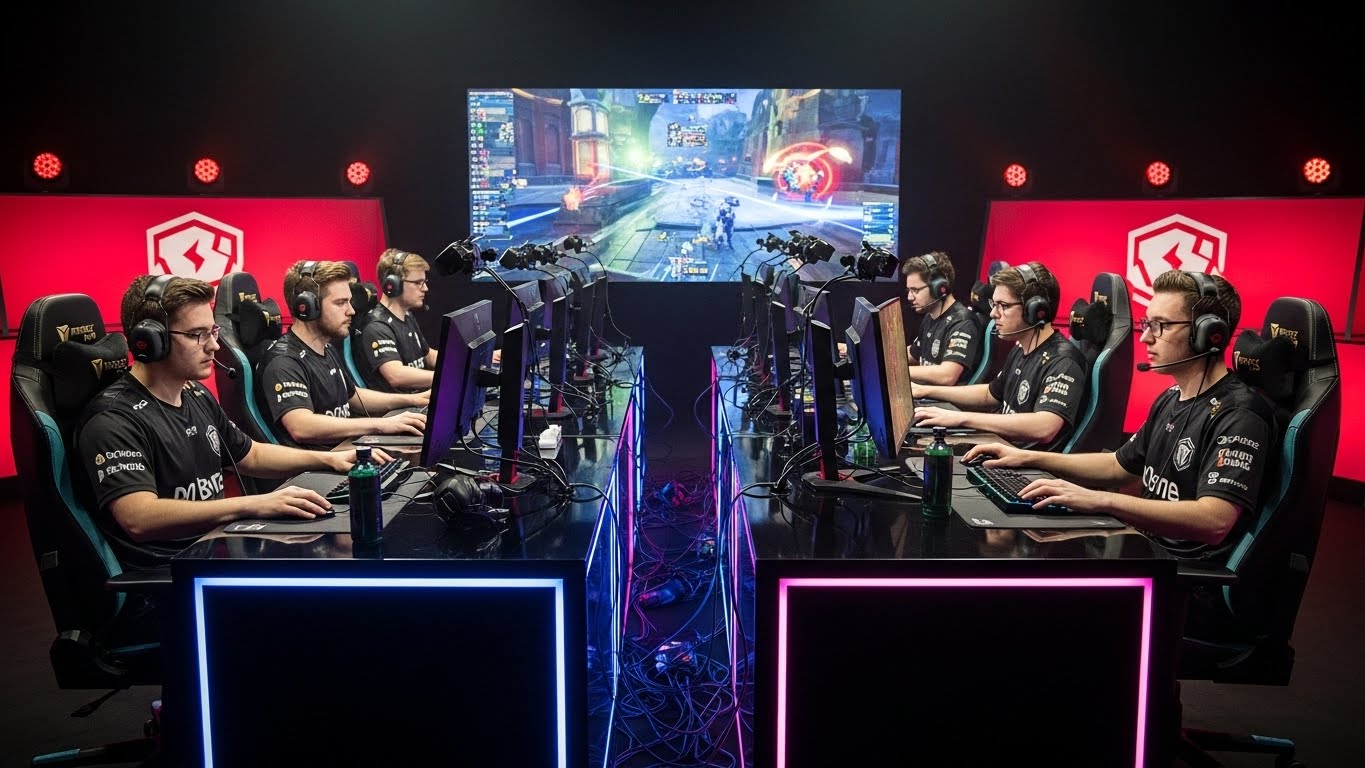
The life of a professional esports player is demanding and highly competitive. Contrary to popular belief, becoming a top-tier gamer requires more than just casual gaming. Players dedicate countless hours to training, refining strategies, and studying their opponents.
Most professional players are part of structured teams that follow strict training regimens, similar to athletes in traditional sports. They work with coaches, psychologists, and nutritionists to maintain both mental and physical well-being. Reaction time, precision, teamwork, and decision-making are all critical factors that determine success.
While fame and fortune attract many aspiring players, only a small percentage reach the top. The career of an esports player can also be relatively short due to the intense mental strain and fast-paced evolution of gaming titles. However, many professionals transition into coaching, content creation, or broadcasting, staying within the industry even after their competitive careers end.
The Esports Ecosystem
The esports ecosystem is vast and interconnected. It includes game developers, tournament organizers, sponsors, media outlets, and fans. Developers play a central role by designing games that are both engaging to play and exciting to watch. Titles like League of Legends and Valorant are carefully balanced to promote competition and viewer enjoyment.
Tournament organizers are responsible for structuring events, ensuring fair play, and creating immersive viewing experiences. Broadcasting and commentary have also become vital, with professional casters narrating matches and providing analysis, much like traditional sports commentators.
Fans, too, form the heartbeat of the industry. Online communities and social media platforms have made esports highly interactive. Fans can engage with players, discuss strategies, and even influence the direction of teams through their support.
Esports and Education
An interesting development in recent years is the integration of esports into education. Schools and universities around the world have started offering esports programs that teach game design, marketing, and management. Scholarships are now available for skilled gamers, providing opportunities to combine education with passion.
These programs go beyond gaming skills. They promote teamwork, problem-solving, communication, and leadership—all essential qualities in today’s digital world. By blending academics with competitive gaming, institutions are preparing students for careers in a rapidly expanding industry.
The Role of Technology in Esports Growth
Technology lies at the core of esports’ success. Advances in graphics, connectivity, and hardware have made modern games more immersive and competitive. Virtual reality, cloud gaming, and artificial intelligence are opening new possibilities for the future of esports.
High-speed internet and streaming innovations have made global broadcasting seamless. Fans from different continents can watch the same match simultaneously in high definition, creating a sense of unity and shared excitement. Data analytics and real-time tracking also enhance both gameplay and viewing experiences, providing insights into player performance and strategies.
Esports and Traditional Sports: A Comparison
Though esports and traditional sports may seem worlds apart, they share many similarities. Both require discipline, teamwork, strategy, and competition. Esports athletes train rigorously, much like football or basketball players. The difference lies in the medium—digital arenas replace physical fields, and controllers take the place of sports equipment.
Interestingly, traditional sports organizations are increasingly investing in esports. Many football clubs and basketball franchises have created their own esports divisions to tap into younger audiences. This cross-industry collaboration has helped blur the line between digital and physical competition, bringing legitimacy and recognition to esports on a global scale.
The Future of Esports
As technology continues to evolve, the future of esports looks brighter than ever. Virtual and augmented reality may redefine how games are played and watched, offering immersive experiences for both players and audiences. Artificial intelligence could enhance training programs, while blockchain technology might introduce new systems for player contracts and tournament integrity.
Esports could soon become part of mainstream sporting events, potentially included in global competitions such as the Olympics. With younger generations growing up in a digital-first world, esports is positioned to be one of the dominant entertainment industries of the future.
Challenges Facing Esports
Despite its rapid growth, esports faces several challenges. Issues such as player burnout, lack of standardized regulations, and online toxicity remain major concerns. Moreover, maintaining integrity through anti-cheat measures and ensuring fair competition are ongoing battles.
Diversity and inclusion are also areas needing attention. While esports is accessible to anyone with a computer or console, representation among players, commentators, and executives must improve to reflect the industry’s global nature. Addressing these challenges will be essential for sustaining long-term success.
Conclusion
Esports has transcended its humble beginnings to become a symbol of the modern digital age. It represents creativity, competition, and community, all wrapped into one thrilling experience. From packed arenas to online tournaments, from casual gamers to global champions, esports has reshaped entertainment and sports alike.
As technology continues to advance, the boundaries between physical and digital competition will blur even further. What began as a hobby for a few has evolved into a worldwide movement that inspires millions. Esports is not just the future of gaming—it is the future of sports itself, proving that in the digital age, passion and skill know no limits.