Introduction: The Digital Revolution in Competition
In the last few decades, a quiet revolution has taken place in the realm of entertainment and sports. What began as small gatherings of passionate gamers has transformed into one of the largest global industries: esports. Esports, short for electronic sports, refers to organized video game competitions where players—often professionals—compete individually or in teams for fame, prizes, and glory. Today, esports has transcended its origins as a niche hobby to become a multibillion-dollar global phenomenon, drawing millions of fans from around the world.
The growth of esports has been fueled by technological advances, internet connectivity, social media, and streaming platforms that allow anyone to watch or participate. From games like Counter-Strike and League of Legends to Dota 2, Fortnite, and Valorant, esports has created a new form of athleticism that relies on mental agility, precision, teamwork, and reflexes rather than physical strength alone.
This blog explores the fascinating journey of esports—from its humble beginnings to its professional evolution—and examines its cultural, economic, and social impact on the modern world.
The Origins of Competitive Gaming
The story of esports begins long before the rise of Twitch streams and massive stadium events. Competitive gaming traces its roots back to the early days of arcade and computer games in the 1970s and 1980s. One of the first recorded video game competitions took place in 1972 at Stanford University, where students competed in the game Spacewar! The prize was modest—a subscription to a magazine—but it represented the beginning of organized digital competition.
As video games gained popularity in the 1980s, arcade titles like Pac-Man, Donkey Kong, and Space Invaders became cultural icons. Players sought to achieve the highest scores, and arcades often posted leaderboards to display top performers. In 1980, Atari organized the Space Invaders Championship, which drew over 10,000 participants across the United States. It was a glimpse into the future: gaming as a spectator and competitive activity.
During the 1990s, gaming shifted from arcades to home computers and consoles. The rise of the internet brought new opportunities for online multiplayer games, paving the way for broader competition. Titles like Quake, StarCraft, and Counter-Strike became early cornerstones of the esports scene. LAN parties—where players gathered in physical spaces to connect their computers—became a cultural phenomenon and a breeding ground for future esports stars.
The Rise of Professional Esports
By the early 2000s, esports had begun to move beyond grassroots events and into organized professional leagues. South Korea played a pivotal role in shaping the modern esports industry. The country’s high-speed internet infrastructure and gaming culture gave rise to televised gaming tournaments and professional players with celebrity status. Games like StarCraft: Brood War became national obsessions, and players were treated like athletes, with sponsorships, fan clubs, and televised matches.
Other regions soon followed. In North America and Europe, tournaments for games such as Counter-Strike 1.6, Warcraft III, and Halo started to gain traction. The formation of esports organizations—such as Major League Gaming (MLG) and the Electronic Sports World Cup (ESWC)—helped standardize competition and create professional pathways for players.
The introduction of streaming platforms like Twitch in the 2010s revolutionized the scene further. Now, anyone could watch professional matches live, interact with players, and follow tournaments in real-time. This democratization of viewership fueled exponential growth in fan engagement and helped esports reach audiences far beyond traditional gaming circles.
The Games That Shaped Esports
Esports is not defined by one single game but by a diverse array of titles, each with its own competitive ecosystem and fan community.
MOBA Games
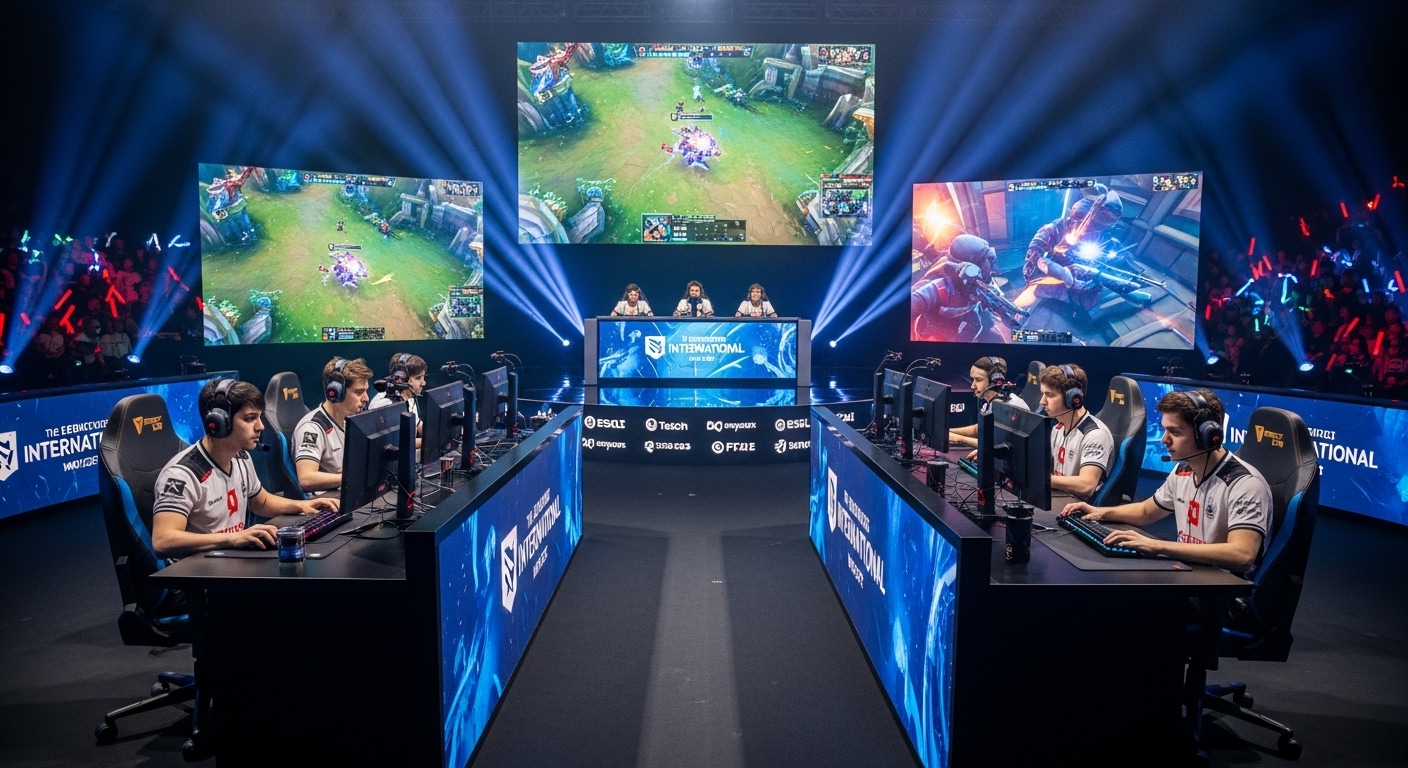
Multiplayer Online Battle Arena (MOBA) games such as League of Legends and Dota 2 are among the most prominent esports genres. These games emphasize teamwork, strategy, and coordination. The League of Legends World Championship and The International (Dota 2) attract millions of viewers annually, with prize pools that can exceed tens of millions of dollars.
First-Person Shooters (FPS)
The FPS genre has also been a staple of competitive gaming. Titles like Counter-Strike: Global Offensive, Call of Duty, Overwatch, and Valorant have become synonymous with fast-paced tactical gameplay. FPS esports emphasize reflexes, communication, and strategic thinking.
Fighting Games
Games like Street Fighter, Tekken, and Super Smash Bros. represent some of the oldest competitive gaming communities. Fighting game tournaments, such as the Evolution Championship Series (EVO), maintain a grassroots spirit while drawing global audiences.
Battle Royale and Sports Titles
Modern trends have also brought new genres into the esports fold. Games like Fortnite and PUBG popularized the battle royale format, while sports simulations like FIFA and NBA 2K bridge the gap between traditional sports and digital competition.
The Global Esports Economy
Today, esports is not just a hobby—it’s a major industry. Revenues come from sponsorships, advertising, ticket sales, merchandise, media rights, and in-game purchases. Leading brands across technology, fashion, and entertainment have partnered with esports teams to tap into younger, tech-savvy audiences.
Professional players earn incomes comparable to traditional athletes, with salaries, streaming revenue, and endorsement deals. Large organizations such as Team Liquid, Cloud9, T1, and FaZe Clan operate like sports franchises, employing managers, analysts, coaches, and content creators.
Prize money in esports has grown dramatically. The International 2019 in Dota 2 offered a record-breaking prize pool of over $34 million, largely crowdfunded by fans. Events like these highlight the unique relationship between esports and its digital communities, where fan engagement directly contributes to the industry’s success.
Esports Arenas and Spectator Culture
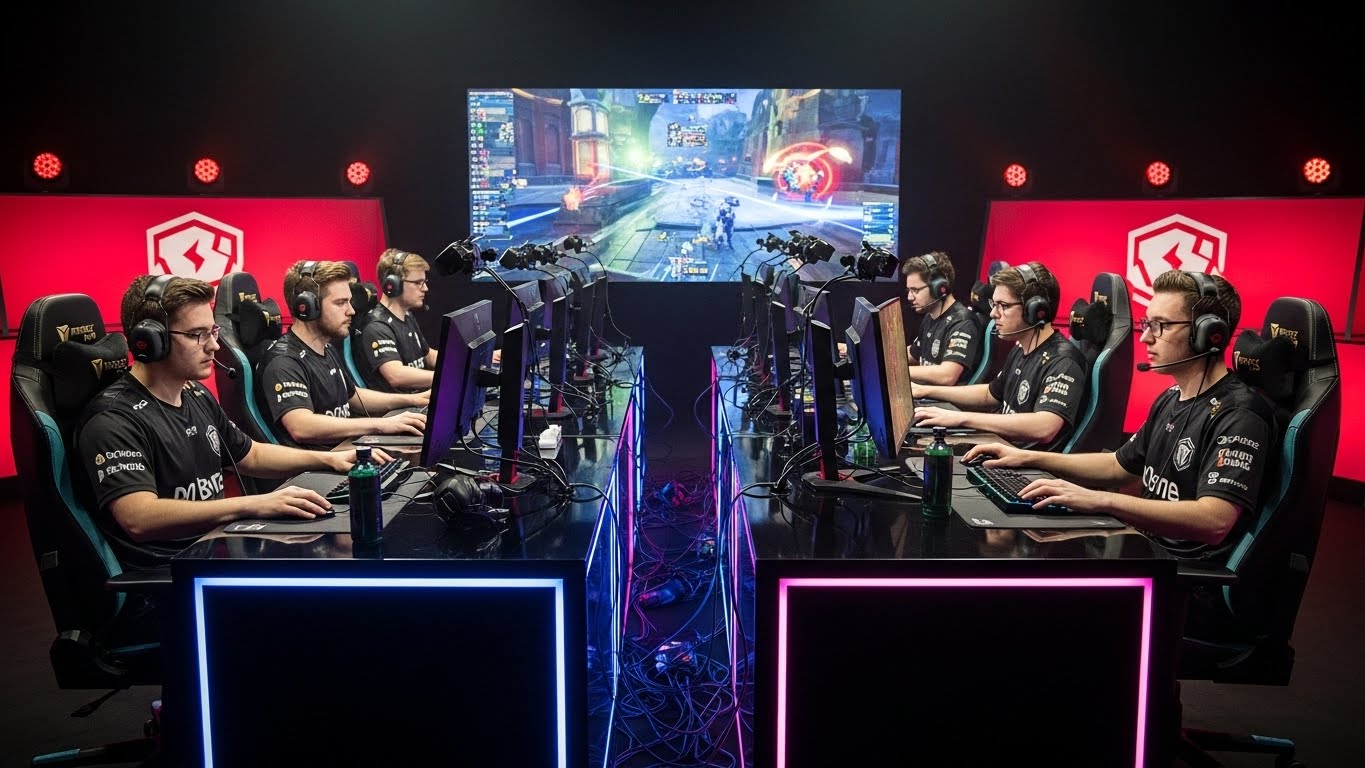
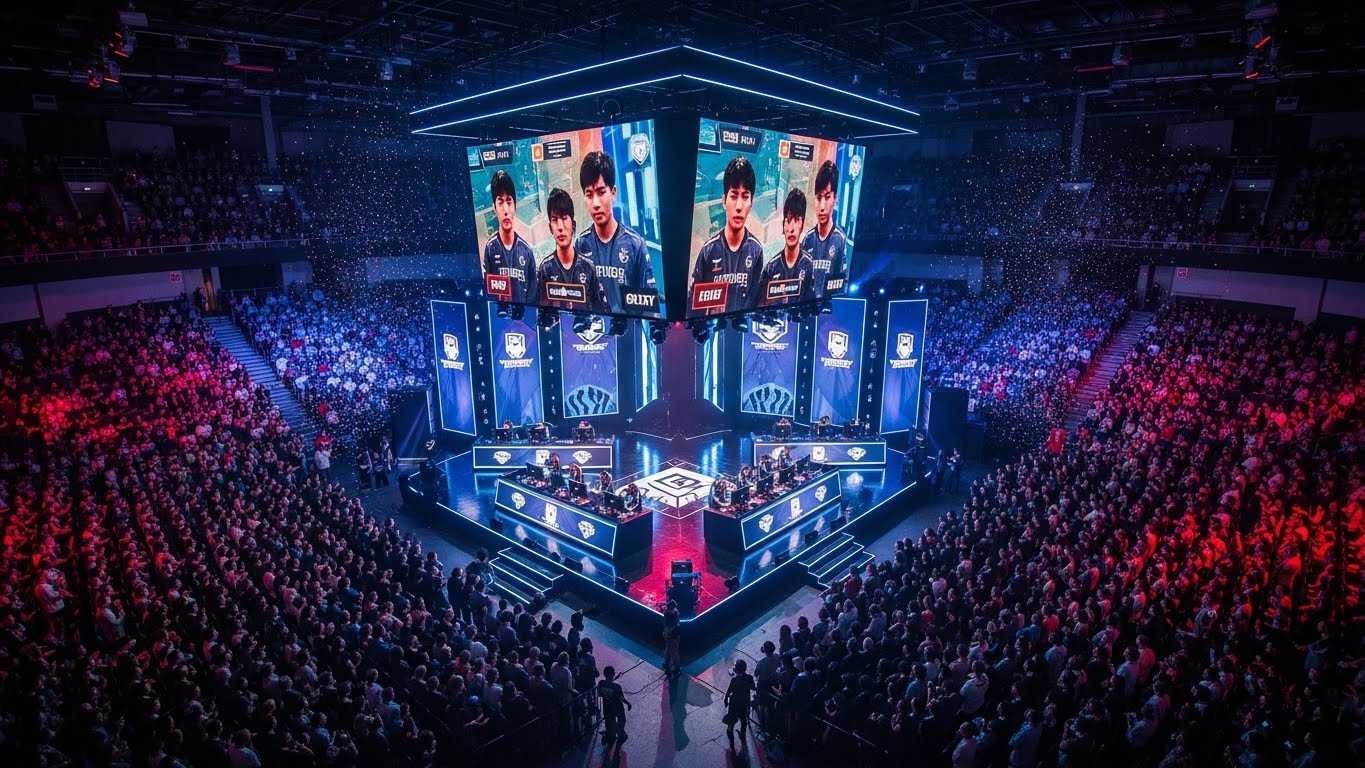
One of the most striking aspects of modern esports is its transformation into a spectator event rivaling traditional sports. Massive arenas, such as the Staples Center in Los Angeles and the Bird’s Nest Stadium in Beijing, have hosted sold-out esports tournaments. Fans wave banners, cheer for their favorite teams, and even wear team jerseys.
The viewing experience extends beyond physical venues. Online platforms allow millions of fans worldwide to watch matches live. Streaming chatrooms buzz with commentary, memes, and discussions. Professional commentators, known as “casters,” bring energy and insight to matches, much like sports commentators on television.
Esports has also cultivated a distinct culture, complete with rituals, inside jokes, and emotional storylines. Fans follow player rivalries, underdog victories, and team dynasties with the same passion seen in football or basketball fandoms.
The Role of Technology and Streaming
The explosive growth of esports is inseparable from technological innovation. High-speed internet, gaming hardware, and broadcasting software have made it possible to host tournaments that reach millions of viewers in real-time.
Platforms like Twitch, YouTube Gaming, and Facebook Gaming have become the backbone of the esports ecosystem. These platforms allow fans not only to watch games but also to engage with players through chat and community events. The interactive nature of streaming has blurred the line between entertainment and participation.
Virtual production, augmented reality (AR), and real-time analytics are now enhancing broadcast experiences. Some tournaments feature holographic displays, 3D player stats, and cinematic replays that make watching esports as thrilling as any live sport.
Esports and Traditional Sports: A New Rivalry or a Partnership?
The relationship between esports and traditional sports has evolved from skepticism to collaboration. Early critics dismissed gaming as lacking physical skill or athletic merit, but the conversation has shifted as esports viewership and revenue continue to soar.
Traditional sports organizations have begun investing in esports franchises. For example, football clubs have formed teams in games like FIFA and Rocket League. The NBA launched the NBA 2K League, and Formula 1 embraced virtual racing during global lockdowns.
Many athletes themselves have become esports fans or investors, recognizing the parallels in teamwork, discipline, and competition. Esports may not involve physical exertion to the same degree, but it demands intense mental stamina, focus, and hand-eye coordination.
The Path to Becoming a Professional Player
The journey from casual gamer to professional esports player is challenging and competitive. Aspiring players must invest countless hours honing their skills, studying strategies, and competing in online tournaments. Talent alone is not enough; discipline, communication, and resilience are essential.
Many esports players start young, often in their teens. Esports academies and training facilities have emerged to nurture talent, providing coaching, fitness programs, and psychological support. As the industry matures, player welfare and career longevity have become important topics, as the physical and mental demands of gaming can lead to burnout.
While professional players may retire earlier than athletes in traditional sports, many transition into coaching, content creation, or broadcasting, continuing to contribute to the industry.
The Cultural Impact of Esports
Esports has reshaped modern entertainment, youth culture, and even education. It represents a new form of community, where friendships and fanbases form across borders. For many, gaming has become a shared language that transcends nationality, race, and gender.
Pop culture has embraced esports through documentaries, films, and collaborations with music and fashion brands. Major tournaments often feature musical performances, celebrity appearances, and global media coverage.
In education, some schools and universities have introduced esports programs, offering scholarships and degrees in gaming, digital media, and game design. Esports clubs provide students with opportunities to develop leadership, communication, and problem-solving skills.
The Challenges Facing Esports
Despite its success, the esports industry faces significant challenges. Player burnout, inconsistent regulations, and financial sustainability are pressing concerns. Because esports is fragmented across multiple games and publishers, there is no single governing body to set standards for contracts, schedules, or fair play.
Toxicity in online communities and issues like cheating, match-fixing, and doping have occasionally marred the reputation of esports. Publishers and tournament organizers continue to develop systems to maintain integrity and protect players.
Another major challenge lies in representation and diversity. While esports has a global audience, female players and marginalized groups often face discrimination or underrepresentation. Initiatives promoting inclusivity and safe gaming environments are essential to ensuring that esports remains a welcoming space for everyone.
The Future of Esports
Looking ahead, the future of esports appears brighter than ever. Advancements in technology, virtual reality, and AI-driven analytics promise to elevate the competitive experience for both players and fans. Mobile esports is also on the rise, particularly in regions like Southeast Asia, India, and Latin America, where smartphone gaming dominates.
Esports may soon become part of major international sporting events. Discussions about including esports in the Olympic Games reflect its growing legitimacy as a form of athletic competition. Whether or not that happens, esports will continue to influence entertainment, education, and global culture.
As virtual worlds expand and the boundaries between the physical and digital continue to blur, esports stands at the forefront of this transformation. It embodies the spirit of modern competition: creativity, connection, and innovation.
Conclusion: The Game That Never Ends
Esports has come a long way from its humble beginnings in university labs and arcade halls. What was once a niche pastime has become one of the defining cultural movements of the 21st century. It has created careers, built communities, and reshaped how people understand competition and entertainment.
At its core, esports represents more than just playing games—it symbolizes human ambition in the digital age. It is about mastering complex systems, collaborating under pressure, and performing before millions. It’s about stories of triumph, rivalry, and perseverance played out not on a physical field, but in a virtual arena where the stakes are just as real.
As technology continues to evolve, so too will esports. New genres, new audiences, and new opportunities will emerge, ensuring that the spirit of competition lives on in pixels, strategy, and skill. In a world increasingly connected by screens and networks, esports stands as a powerful reminder that even in virtual spaces, human passion and creativity remain undefeated.