Introduction: The Digital Arena Takes Center Stage
In the span of just a few decades, esports has transformed from a niche hobby enjoyed by small clusters of gamers to a global cultural powerhouse. What began as informal gaming competitions held in basements, internet cafés, and small community halls hasgrown into a billion-dollar industry that draws millions of viewers from every corner of the world. Today, esports athletes train like traditional sports professionals, stadiums host massive international tournaments, and entire economies thrive around the growing demand for gaming entertainment. This blog explores how esports achieved this astonishing rise, what makes it so appealing, and where the vibrant future of competitive gaming is heading.
The Evolution of Competitive Gaming
Esports did not become mainstream overnight. Its roots stretch back to early arcade competitions where players fought for high scores in titles like Space Invaders and Pac-Man. As home computers and gaming consoles became more affordable and popular, players began forming small tournaments in schools, local shops, and college campuses.
The real transformation arrived with the expansion of the internet. The ability to play with or against people globally was revolutionary. Suddenly, gamers were not just competing with friends—they were facing skilled rivals across continents. Online multiplayer titles paved the pathway for organized leagues and structured tournaments. By the early 2000s, games like Counter-Strike, StarCraft, and Warcraft III had thriving competitive communities. However, the era that truly ignited global esports recognition came later with the rise of streaming platforms, live broadcasting technologies, and high-budget developer-sponsored tournaments.
What Makes Esports So Captivating?
Esports succeeds because it blends the thrill of competition with the limitless creativity of digital worlds. Unlike traditional sports, esports can introduce new gameplay mechanics, characters, maps, and storylines at any time, keeping the experience fresh and unpredictable.
Spectators are drawn to esports for multiple reasons. Some watch to learn strategies from top players. Others enjoy the adrenaline rush of a close match where victory can shift in an instant. Many simply love the games themselves and appreciate seeing them played at the highest skill levels. The accessibility of esports also plays a huge role. Anyone with a device and internet connection can watch tournaments, follow their favorite players, and even practice to potentially join the competitive scene themselves.
The Rise of Professional Esports Athletes
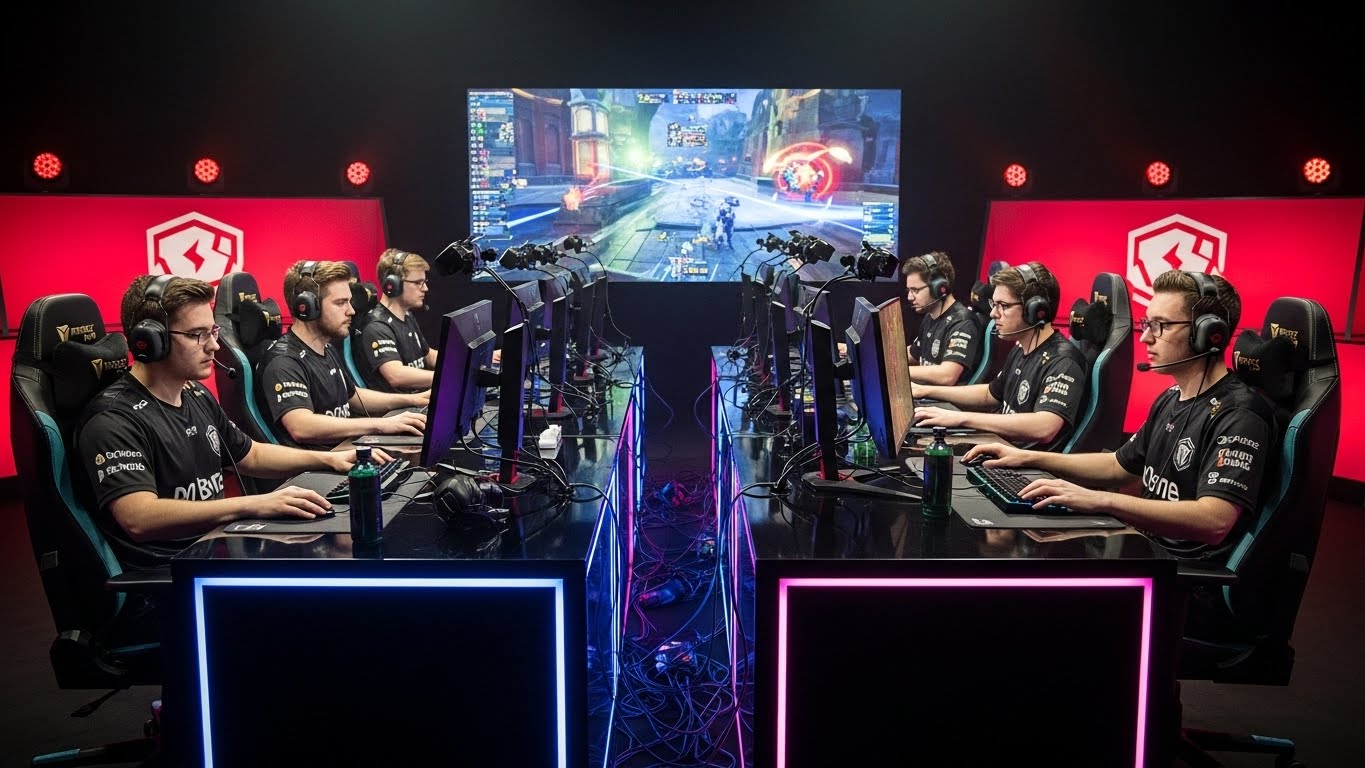
One of the most fascinating aspects of esports is the evolution of professional players. Esports athletes dedicate countless hours to practice, often training as rigorously as athletes in football, basketball, or athletics. Many join structured teams where coaches, analysts, nutritionists, and physiotherapists help them optimize performance.
Their playstyles are dissected by fans, analysts, and aspiring players. The rise of esports academies also highlights how seriously the industry takes talent development. Just like youth training programs in traditional sports, these academies nurture new players by giving them access to mentors, high-level training environments, and mental resilience coaching. Esports careers require quick reflexes, strategic thinking, emotional discipline, and teamwork—skills honed through years of dedicated effort.
Popular Games That Define the Esports Industry
Certain titles have become cornerstones of global esports. Each offers its own competitive landscape, iconic teams, and unforgettable player rivalries. First-person shooters, strategy games, and battle arena titles dominate the scene.
Games like these attract massive global audiences and foster their own subcultures, complete with unique vocabularies, professional roles, and international competitions. The diversity of game genres means there is something for everyone. Whether a viewer enjoys fast-paced combat, deep tactical decision-making, or team-oriented gameplay, esports delivers a broad spectrum of entertainment.
Esports Arenas and Spectator Culture
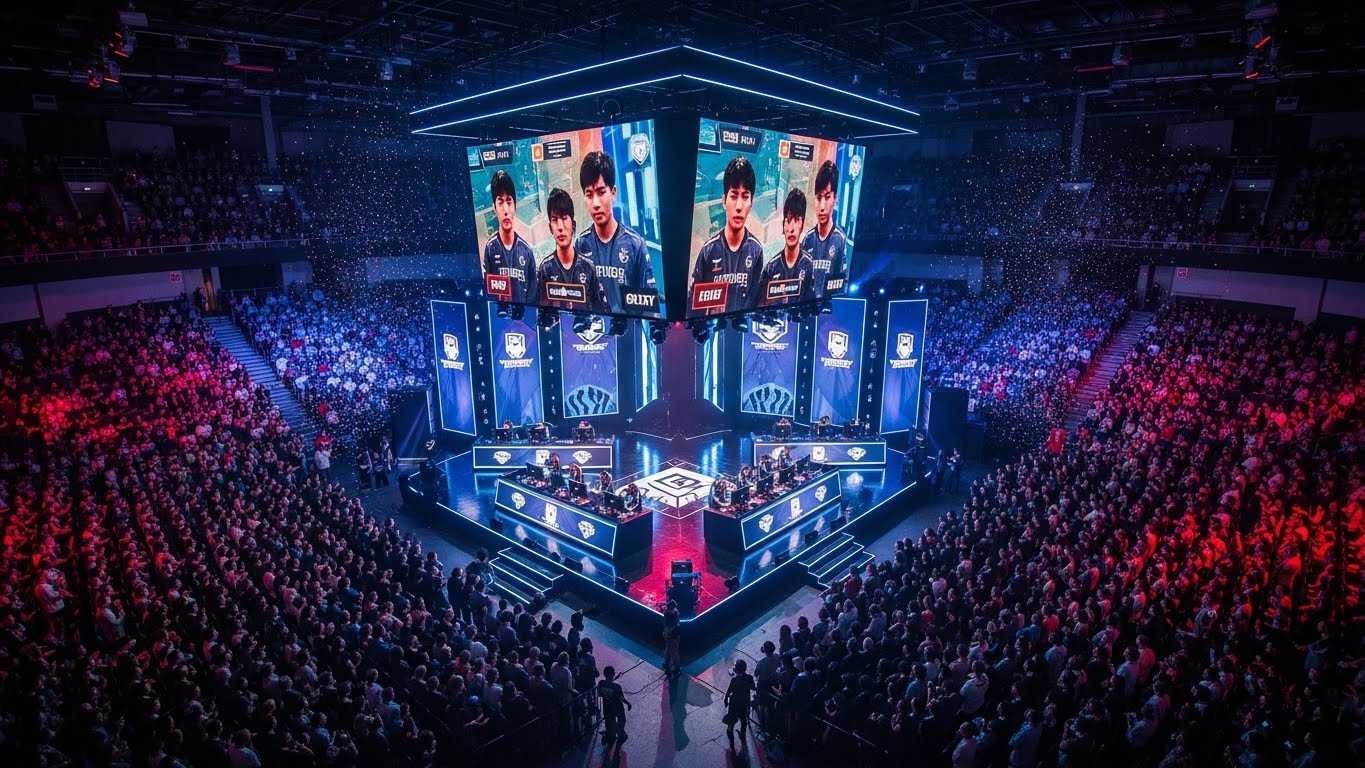
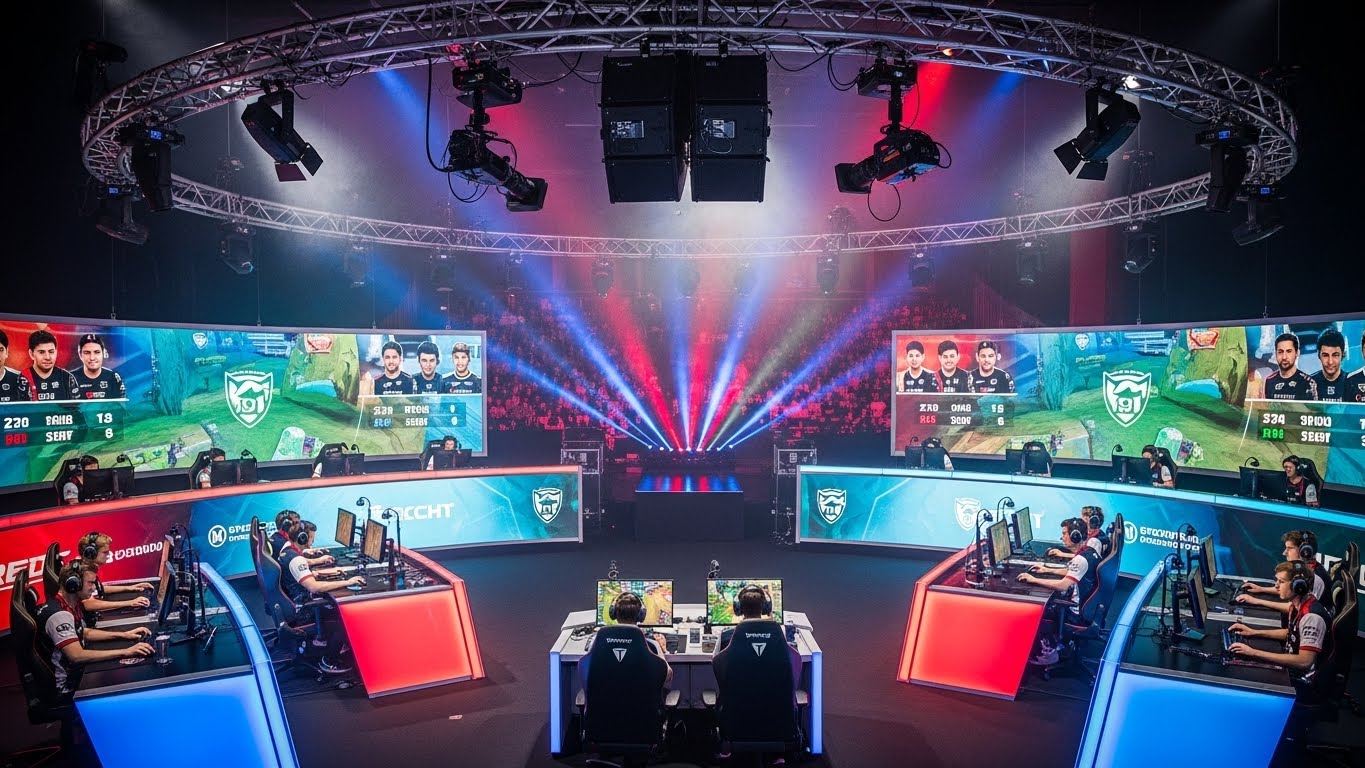
Traditional sports have stadiums, arenas, and roaring crowds. Esports does too—but with a digital twist. Major cities now host dedicated esports venues equipped with giant screens, immersive audio systems, dynamic lighting, and comfortable seating designed for long events. These arenas are often filled with enthusiastic fans waving team banners, wearing merchandise, and cheering for their favorite players.
What sets esports crowds apart is their unique blend of gaming culture. Light sticks, cosplay outfits, and themed chants contribute to an atmosphere that feels both futuristic and deeply communal. Spectators also engage through social media and live chat, creating a level of interactivity that traditional sports rarely match. The experience is not only about watching a match—it is about being part of a passionate global community.
The Business and Economics of Esports
Behind the excitement of tournaments lies a complex and rapidly expanding economy. Revenue streams include merchandise, team sponsorships, event ticket sales, advertising, and media rights. Many companies global and local see esports as a powerful gateway to younger audiences who follow gaming culture closely.
The business side of esports also generated jobs across multiple fields. Event organizers, game developers, coaches, analysts, graphic designers, commentators, and production crews all contribute to the thriving ecosystem. Universities increasingly offer scholarships and specialized programs for students interested in esports careers, highlighting its legitimacy as a long-term professional field.
The Role of Content Creation and Streaming
Streaming platforms played a transformative role in the rise of esports. Content creators offer daily insights into gaming strategies, behind-the-scenes team life, and entertaining gameplay. These creators often collaborate with professional teams, participate in promotional events, and influence the direction of gaming culture.
Livestreaming made esports accessible to global audiences. It allowed viewers to connect directly with players, engage in chat discussions, and share the excitement of tournaments in real time. The relationship between professional players and content creators has blurred over time. Many pros become streamers during breaks or after retirement, keeping their fan base engaged while opening new revenue channels.
Education and Esports: A Growing Partnership
Not long ago, video games were viewed as distractions from academics. Today, a dramatic shift is occurring. Schools and universities worldwide recognize the academic and social benefits of esports. Competitive gaming programs help students develop critical thinking, leadership, communication skills, and team coordination.
Some educational institutions now include esports in physical education courses, while others build specialized gaming labs equipped with high-performance computers. Varsity esports teams compete internationally, bringing academic pride just like traditional sports teams. This growing integration highlights how esports is becoming deeply woven into modern educational systems.
Mental and Physical Wellness in Esports
There is increasing awareness about the mental and physical demands placed on esports athletes. Prolonged screen time, high stress, and extensive practice sessions require careful management. Because of this, many teams hire wellness coaches to help players maintain healthy routines.
Players engage in physical workouts, stress-relief exercises, and regular consultations with sports psychologists. These practices foster better performance, prevent burnout, and improve the longevity of esports careers. The focus on wellness shows that competitive gaming is not merely a digital pastime but a physically and mentally challenging discipline.
The Future of Esports: What Lies Ahead
The future of esports is bright and filled with exciting possibilities. Advancements in virtual reality, artificial intelligence, and immersive technologies are set to redefine what competitive gaming experiences look like. As gaming hardware becomes more powerful and accessible, new genres and competitive formats will emerge.
Traditional sports organizations increasingly collaborate with esports leagues, bridging the gap between digital and physical competitions. Governments in many countries recognize esports as an official sport and support its development through funding and policy initiatives. With global interest continuing to rise, esports stands on the threshold of becoming one of the most influential entertainment industries of the modern era.
Conclusion: More Than Just a Game
Esports is not only a competition. It is a cultural movement, a creative platform, a career path, and a global community. Its rise reflects the power of digital innovation, human connection, and shared passion. From packed stadiums to classrooms, from online streams to television broadcasts, esports has expanded far beyond its origins to become a defining element of 21st-century entertainment. As technology evolves and audiences grow, esports will continue shaping how we play, connect, and compete worldwide.