Introduction: eSports – A New Era of Competition
The world of sports has expanded far beyond traditional fields and courts. In recent years, electronic sports, or eSports, have emerged as a powerful cultural and economic phenomenon. What began as casual gaming among friends has grown into a professional industry with global tournaments, massive audiences, and lucrative careers. eSports combines skill, strategy, teamwork, and entertainment, appealing to millions of players and fans worldwide. This blog explores the evolution of eSports, its impact on society, the opportunities it presents, and the challenges it faces in the modern world.
The Evolution of eSports
eSports did not appear overnight. It has roots dating back to the 1970s and 1980s when arcade games and early console competitions began attracting attention. The first recognizable eSports competitions involved games like Space Invaders and Pong, often held in small communities or local arcades.
The 1990s and early 2000s saw the rise of online multiplayer games such as StarCraft, Counter-Strike, and Warcraft, which laid the foundation for professional gaming. Internet connectivity allowed players from different regions to compete, creating the first global eSports communities. Streaming platforms and social media later amplified the reach of eSports, turning it into a spectator phenomenon with audiences rivaling traditional sports events.
The Popularity of eSports Today
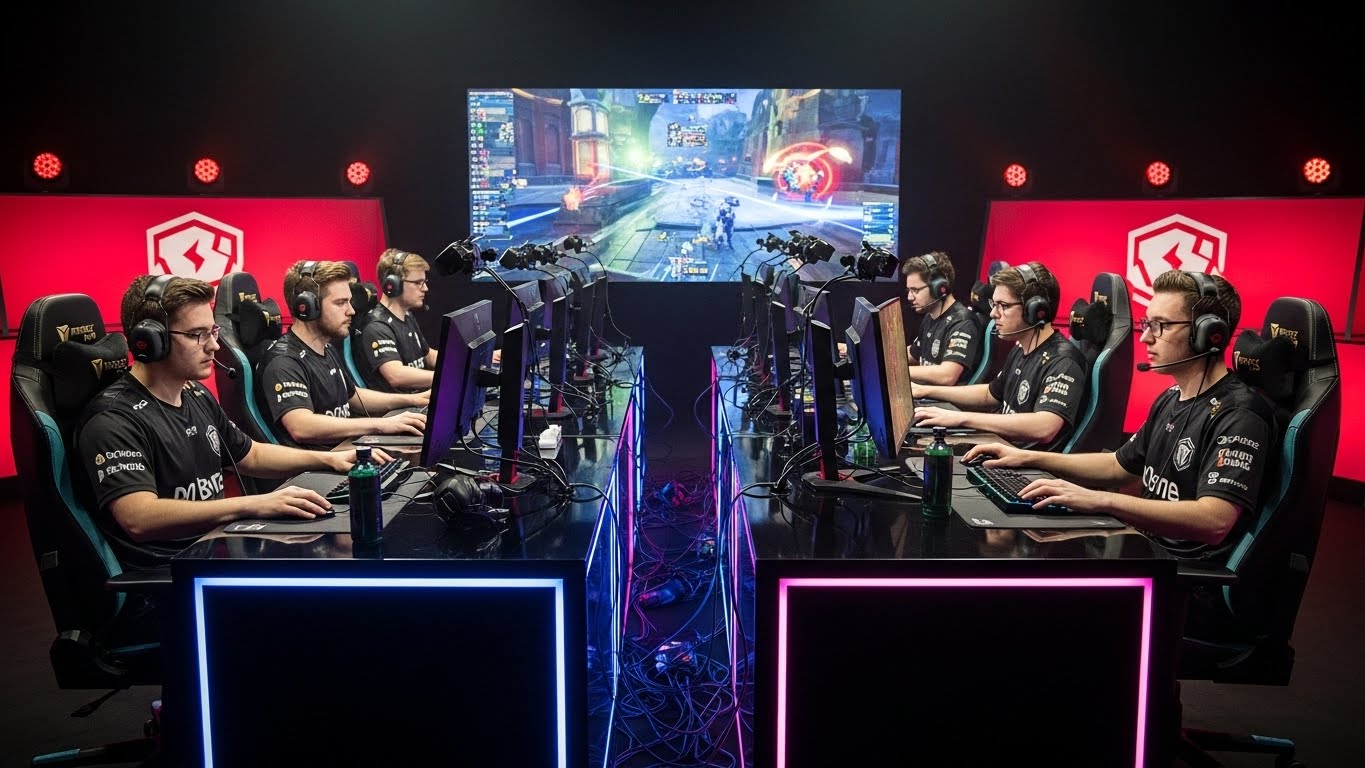
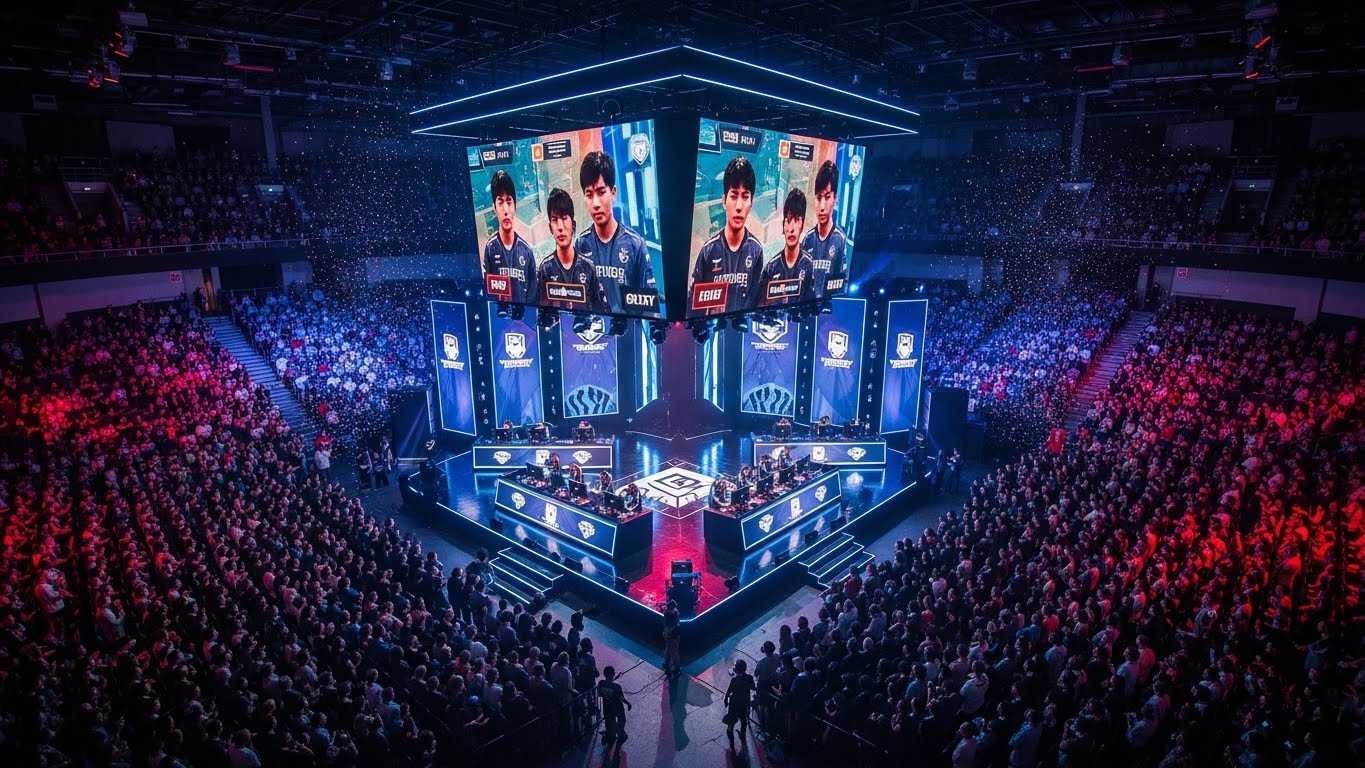
Today, eSports enjoys unparalleled popularity, attracting millions of viewers and players worldwide. Major tournaments such as League of Legends World Championship, Dota 2’s The International, and Call of Duty League Finals showcase the skill, strategy, and teamwork required to compete at the highest level.
Streaming platforms allow fans to follow their favorite players live, interact with the community, and participate in global discussions about games. Social media amplifies these experiences, creating a culture where eSports stars gain celebrity-like status. Unlike traditional sports, eSports is accessible to anyone with a computer or console and an internet connection, making it truly global and inclusive.
The Professional eSports Industry
eSports has evolved into a multi-billion-dollar industry. Teams and organizations are now professionally managed, employing coaches, analysts, marketing specialists, and content creators. Players are often contracted with salaries, sponsorships, and prize money, similar to traditional athletes.
Tournaments are held in large arenas and online, with prize pools reaching millions of dollars. Sponsors, advertisers, and media companies invest heavily in eSports due to its massive and engaged audience. The professionalization of eSports has also created new career paths, from tournament organizers to shoutcasters who provide live commentary for competitions.
Skills Required for eSports Excellence
Success in eSports requires a combination of physical, mental, and strategic skills.
Hand-Eye Coordination and Reflexes
Fast reaction times are critical in many games. Players must make split-second decisions while accurately controlling their characters or units.
Strategic Thinking
eSports is not just about speed; strategy is equally important. Teams plan their moves, anticipate opponents’ actions, and adapt their strategies in real time.
Teamwork and Communication
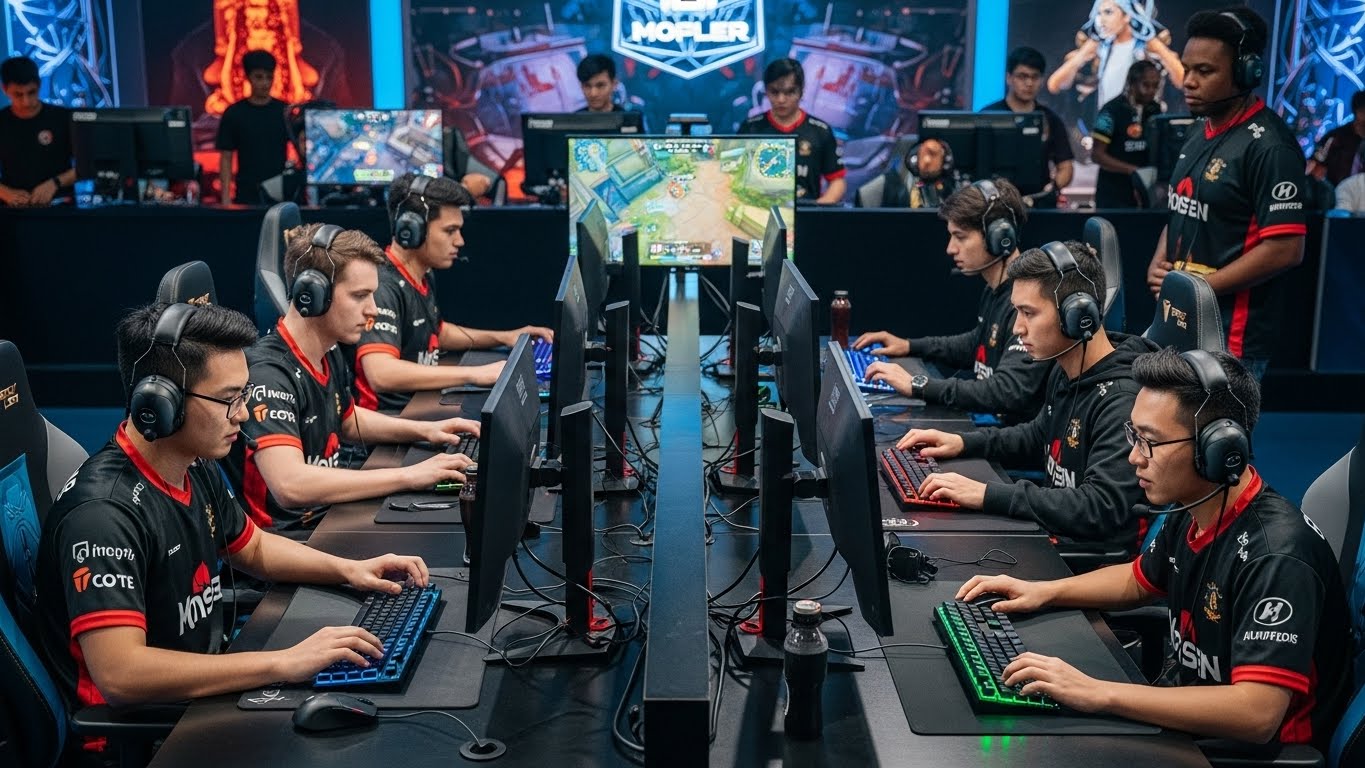
Many eSports games require coordination among team members. Clear communication and understanding each player’s role are essential for victory.
Mental Resilience
Competitive gaming can be intense and stressful. Players must maintain focus, handle pressure, and recover from setbacks quickly to perform consistently at a high level.
eSports as a Career Path
Professional eSports is no longer a niche aspiration. Talented players can earn substantial income from salaries, tournament winnings, streaming, and sponsorships. Beyond players, careers in eSports include coaching, team management, content creation, broadcasting, and game development.
Universities and institutions have recognized eSports as well, offering scholarships and academic programs focused on competitive gaming. This recognition demonstrates the legitimacy of eSports as a professional and educational pursuit.
The Social Impact of eSports
eSports has a significant social dimension. Online communities provide spaces where fans and players connect, share experiences, and build friendships. Tournaments often unite people across cultures and countries, fostering a sense of global camaraderie.
eSports also promotes inclusivity. Unlike many traditional sports, physical limitations are less of a barrier, allowing people from diverse backgrounds and abilities to participate and succeed. The rise of female gamers and mixed-gender teams highlights the potential for eSports to challenge stereotypes and create equal opportunities.
Health and Lifestyle in eSports
While eSports offers many benefits, it also presents health challenges. Long hours of gaming can lead to physical issues such as eye strain, repetitive strain injuries, and poor posture. Mental health concerns, including stress, burnout, and anxiety, are also prevalent among competitive players.
Professional organizations now emphasize the importance of balanced routines, fitness programs, and mental health support. Players are encouraged to take breaks, exercise regularly, and maintain a healthy lifestyle to sustain peak performance. Understanding and managing these factors is crucial for longevity in eSports careers.
Technology Driving eSports Growth
Technology is at the heart of eSports, influencing gameplay, training, and fan engagement. High-speed internet, powerful gaming hardware, and sophisticated software platforms enable seamless online competition.
Streaming platforms allow players to broadcast games live, interact with audiences, and build personal brands. Data analytics and artificial intelligence help teams analyze performance, develop strategies, and improve training methods. Virtual reality and augmented reality are also poised to transform the eSports experience, making it more immersive and engaging for both players and spectators.
Challenges Facing eSports
Despite its rapid growth, eSports faces several challenges.
Regulation and Standardization
Unlike traditional sports, eSports lacks universal governing bodies, making rules and regulations inconsistent across games and regions. Standardizing tournaments and player contracts remains a work in progress.
Cheating and Fair Play
Online gaming can be vulnerable to cheating, hacking, and unfair practices. Maintaining integrity is crucial to sustain audience trust and competitive credibility.
Perception and Recognition
Some critics still view gaming as entertainment rather than a legitimate sport. Overcoming stereotypes and gaining broader societal acceptance is an ongoing challenge.
Mental Health and Burnout
The intense competition and constant demand for performance can lead to burnout. Supporting player well-being is essential for sustainable growth.
The Future of eSports
The future of eSports is promising, with continued growth expected in audience size, professional opportunities, and technological integration.
Global Expansion
Emerging markets in Asia, South America, and Africa are witnessing rapid growth in both players and fans. Increased investment in local tournaments and infrastructure is expanding eSports globally.
Integration with Traditional Sports
Traditional sports organizations are investing in eSports teams, bridging the gap between physical and digital competition. This synergy will likely enhance visibility and legitimacy.
Innovative Game Formats
New genres and gaming experiences will continue to attract diverse audiences. Mobile eSports is particularly gaining popularity, allowing people to compete anytime and anywhere.
Enhanced Fan Engagement
Virtual reality, interactive streams, and real-time analytics will create immersive experiences for fans, making eSports more than just a spectator activity.
Conclusion: eSports as a Cultural Phenomenon
eSports is more than just playing video games; it is a cultural, social, and economic movement shaping the modern era. It challenges traditional notions of competition, creates new career paths, and connects people globally. From professional players to casual enthusiasts, eSports offers opportunities for skill development, personal growth, and entertainment.
As technology advances and societal acceptance grows, eSports will continue to redefine the meaning of competition in the digital age. It is not only a sport but a testament to human creativity, strategy, and perseverance, proving that the arena of victory is no longer limited to physical fields but thrives in the digital world.