Introduction: The Rise of a New Competitive Frontier
Esports has rapidly transformed from a niche hobby into a global entertainment powerhouse. What was once seen as casual gaming among friends has evolved into a multi-billion-dollar industry with professional athletes, massive tournaments, sponsorships, and worldwide fandom. Today, stadiums sell out for esports events, millions tune in to livestreams, and players train as rigorously as traditional athletes. The world has entered a new era where digital competition commands the same passion and respect as physical sports. This blog explores the growth of esports, its influence on modern culture, the ecosystem behind its success, and what the future may hold for this dynamic industry.
The Origins of Competitive Gaming
Competitive gaming began long before online multiplayer existed. In the early days of arcades, high-score competitions drew crowds eager to prove their skills on classic games. With the arrival of personal computers and consoles, gaming communities expanded. The 1990s brought the first organized tournaments for games like fighting titles and early shooters, marking the beginning of structured competitive play.
The true transformation arrived with internet connectivity. Multiplayer games no longer required players to be in the same room, allowing global matches and online leagues. What started as small local competitions soon grew into professional circuits. The foundation for modern esports had officially been laid.
Esports as a Global Industry
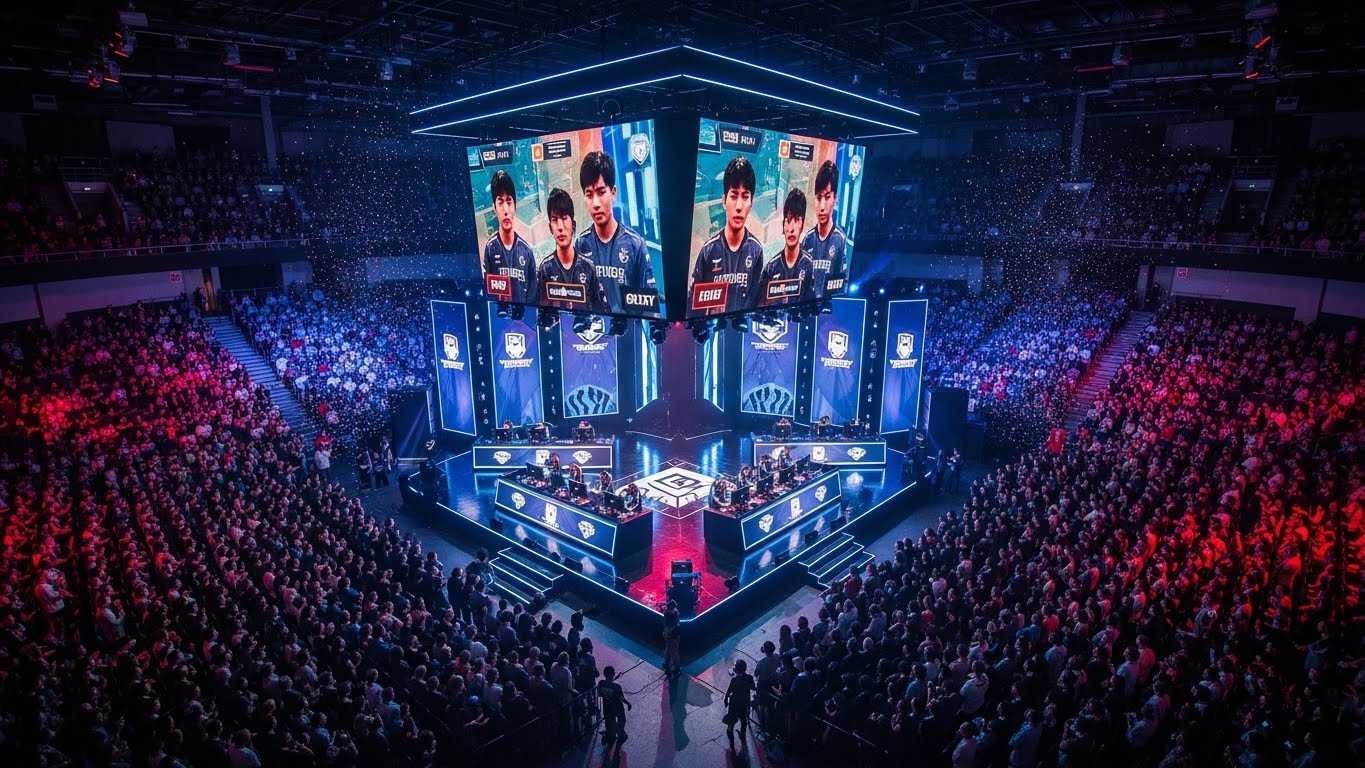
Esports today stands shoulder to shoulder with major entertainment industries. Professional gaming teams operate like traditional sports organizations, complete with coaches, analysts, nutritionists, physical trainers, and dedicated practice schedules. Major tournaments fill arenas in cities worldwide, and top players earn salaries, sponsorships, and prize money that rival those in some traditional sports.
The industry’s growth has also created a thriving ecosystem of broadcasters, commentators, event organizers, marketing agencies, and merchandise creators. Esports has become more than competition; it is a full-fledged entertainment medium capable of influencing culture, technology, and business.
Popular Game Genres That Drive Esports
Esports is not defined by a single game. Instead, it encompasses various genres, each with its own passionate community and professional scene.
1. Multiplayer Online Battle Arena (MOBA)
These games emphasize strategy, teamwork, and tactical mastery. Teams compete to outmaneuver their opponents with precision, timing, and coordination. The complexity of MOBA gameplay has earned it a dedicated fan base and some of the largest tournaments in esports history.
2. First-Person Shooters (FPS)
FPS esports focus on reaction time, accuracy, and quick decision-making. The intense, fast-paced nature of these games keeps viewers on the edge of their seats and delivers moments of incredible skill.
3. Battle Royale
This genre provides unpredictable, large-scale survival competition. The open-ended gameplay creates high-tension scenarios and dramatic finishes that draw massive audiences.
4. Sports Simulations and Fighting Games
These games bring virtual versions of physical sports or one-on-one combat into the competitive scene. They highlight precision, strategy, and player-to-player psychological battles.
The diversity of genres ensures that esports appeals to a wide range of interests, making it accessible to people from all walks of life.
The Life of a Professional Esports Athlete
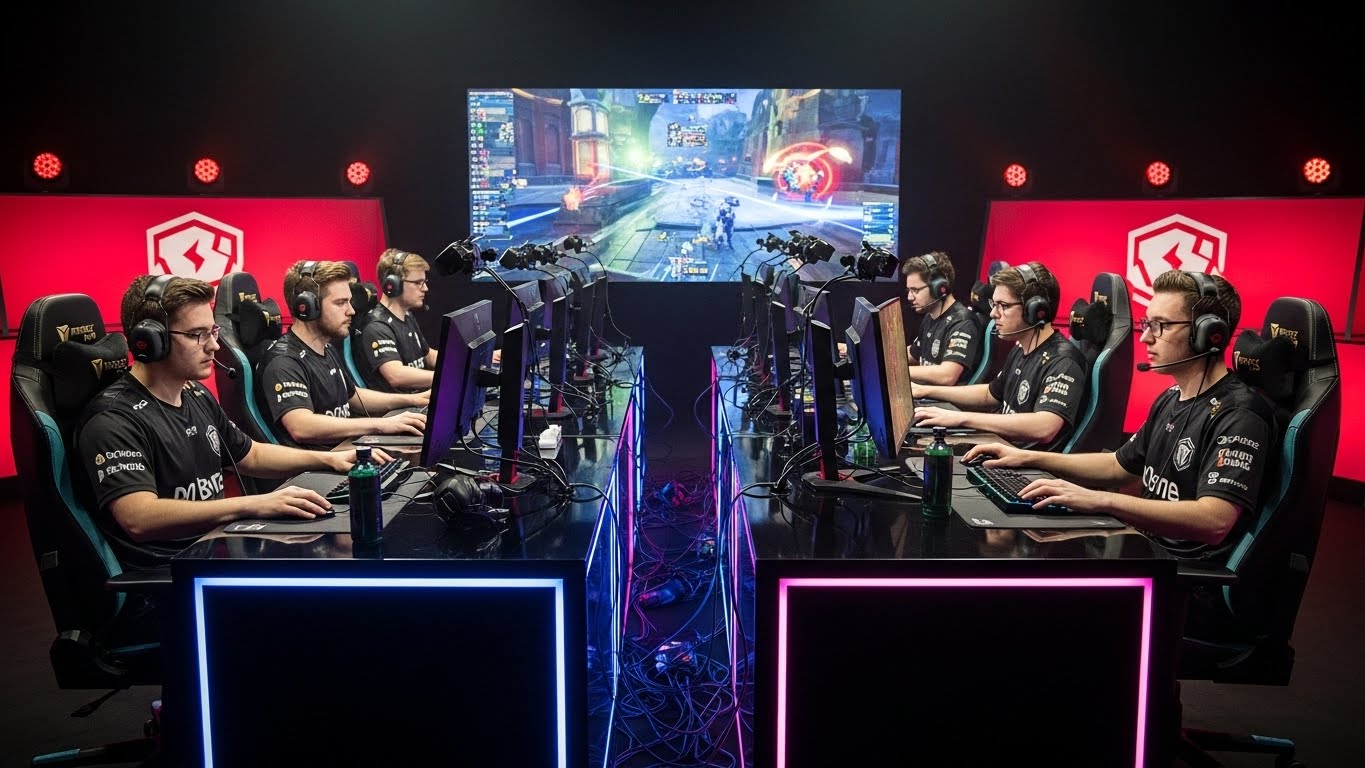
Being a professional esports athlete requires far more than just playing games for hours. Players train intensely, focusing on technical skill, tactical understanding, communication, and mental resilience. Teams often practice for eight to ten hours per day, including scrimmages, strategy meetings, and replay analysis.
Physical health also plays a critical role. Many teams enforce exercise routines to support endurance and prevent repetitive strain injuries. Mental coaching has become increasingly important as players face pressure comparable to that of traditional athletes. The lifestyle demands discipline, teamwork, and constant self-improvement.
The Role of Streaming and Online Communities
One of the most powerful forces behind esports’ rise is the streaming culture. Platforms that allow players to broadcast their gameplay have built global communities around shared interests. Viewers can interact directly with their favorite players, follow their journeys, and feel like part of the action.
Streaming has also become a viable career path. Many professional players supplement their income by streaming, while others choose to become full-time creators. This direct connection between players and fans strengthens the overall esports ecosystem, making it more interactive and community-driven than traditional sports.
Esports Education and Career Opportunities
As the industry expands, educational institutions are beginning to offer esports-related programs. Universities now have esports scholarships, teams, and degrees in fields like game design, event management, marketing, and broadcasting. Students can learn about the business and technology behind esports while participating in competitive college leagues.
Beyond being a player, esports offers numerous career paths. Event managers organize tournaments, coaches train teams, analysts break down gameplay strategies, journalists cover industry news, and designers create branding materials. The opportunities extend far beyond gameplay itself, proving that esports is a sustainable career field.
Impact of Technology on Esports Growth
Technology has been at the heart of esports’ rapid expansion. High-speed internet, advanced gaming hardware, and global streaming platforms have made it possible for anyone with a connection to participate. Innovations such as cloud gaming, virtual reality, and augmented reality may further transform how esports are played and experienced.
Artificial intelligence also plays a growing role in training, match analysis, and player performance tracking. As technology evolves, it promises to make esports even more immersive and competitive.
Esports and Traditional Sports: A New Rivalry
The relationship between esports and traditional sports is becoming increasingly intertwined. Many well-known athletes and sports organizations have invested in esports teams, recognizing the industry’s immense potential. Some stadiums even host both esports and physical sporting events, reflecting the merging worlds of digital and physical competition.
Esports challenges traditional definitions of athleticism. While it does not rely on physical strength, it demands intense mental agility, rapid reflexes, strategic thinking, and emotional discipline. The debate over whether esports should be considered a sport continues, but its influence and legitimacy are undeniable.
The Cultural Impact of Esports
Esports has shaped modern culture in significant ways. It has created global celebrities out of gamers, influenced fashion trends, and inspired music, documentaries, and entertainment collaborations. Youth culture, in particular, has embraced esports as an essential part of social identity.
The inclusivity of esports also stands out. Unlike many traditional sports, esports offers opportunities regardless of physical attributes, gender, or geographic background. This accessibility has helped build diverse communities and foster global friendships through shared passion.
Economics and Sponsorship in Esports
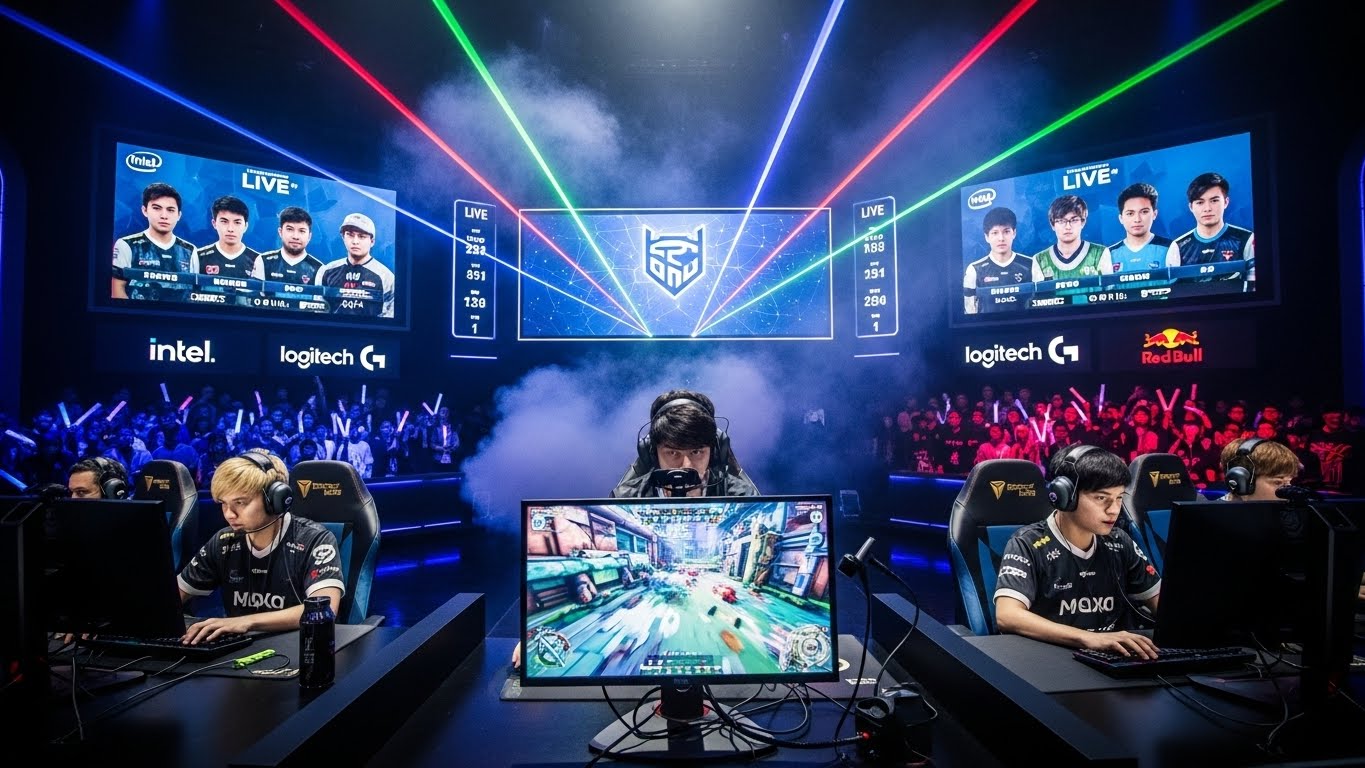
Sponsorships are a major driving force behind esports’ financial growth. Brands from technology to clothing to food and beverage industries invest heavily in esports marketing. Unlike traditional sports, esports can reach younger demographics who consume mostly digital content.
Teams earn revenue from sponsorships, merchandise, tournament winnings, and content creation. Tournament organizers benefit from ticket sales, broadcasting rights, and partnerships. The financial ecosystem is constantly evolving, with new opportunities emerging as the industry matures.
Esports Challenges and Criticisms
Despite its rapid growth, esports faces several challenges. Player burnout is a significant concern due to the demanding practice schedules. The mental health of players requires more support systems and awareness.
Another challenge is competitive integrity. Ensuring fair play, preventing cheating, and maintaining well-regulated tournaments is essential for the industry’s credibility. Additionally, some regions struggle with infrastructure issues that limit access to high-level competition.
These challenges are not insurmountable. As the industry continues to professionalize, solutions and better standards are being developed.
The Future of Esports
The future of esports looks incredibly bright. With technology advancing rapidly and global interest continuing to rise, the next decade could see esports integrated even more deeply into mainstream entertainment. Virtual reality competitions, advanced training systems, global leagues, and cross-platform tournaments may become the norm.
Esports may also play a larger role in education, community building, and global digital culture. As younger generations grow up in a world where digital interaction is natural, esports will likely remain a cornerstone of entertainment and competition.
Conclusion: A New Era of Competition
Esports represents a remarkable evolution in how the world views competition, entertainment, and community. What started as small gatherings around arcade machines has become a global phenomenon uniting millions. It blends skill, strategy, technology, and passion into a form of competition uniquely suited for the digital age.
As esports continues to grow, it will undoubtedly influence future generations, redefine what it means to be an athlete, and push the boundaries of global entertainment. The arena has expanded beyond the physical world, and the digital frontier is full of limitless potential.