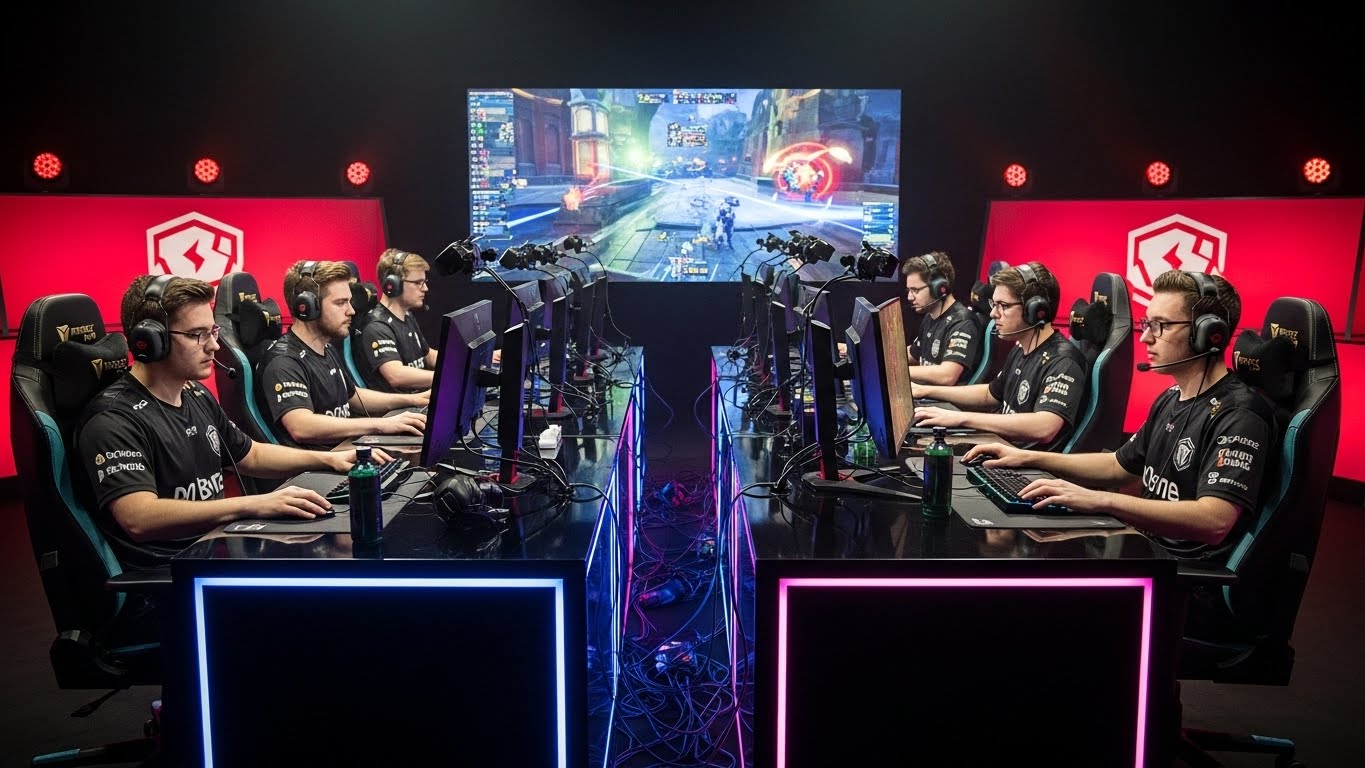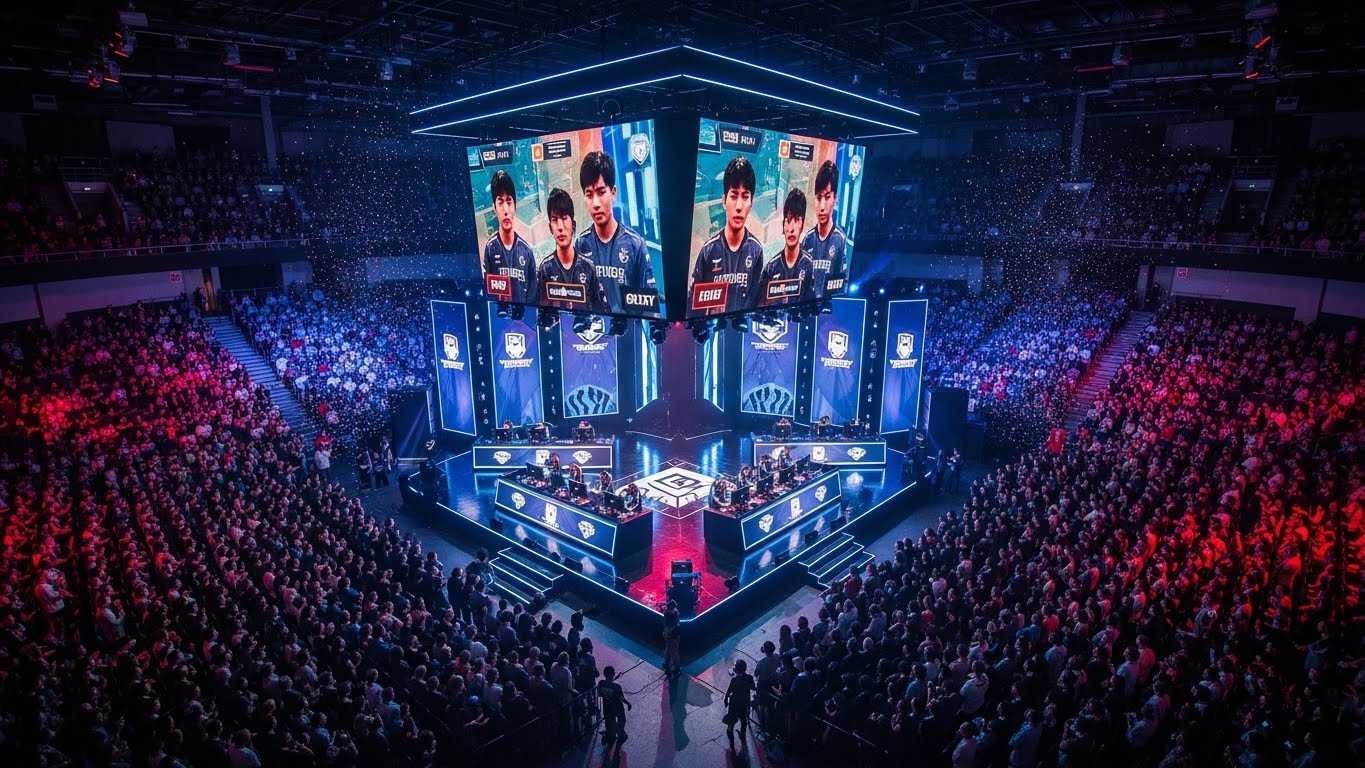
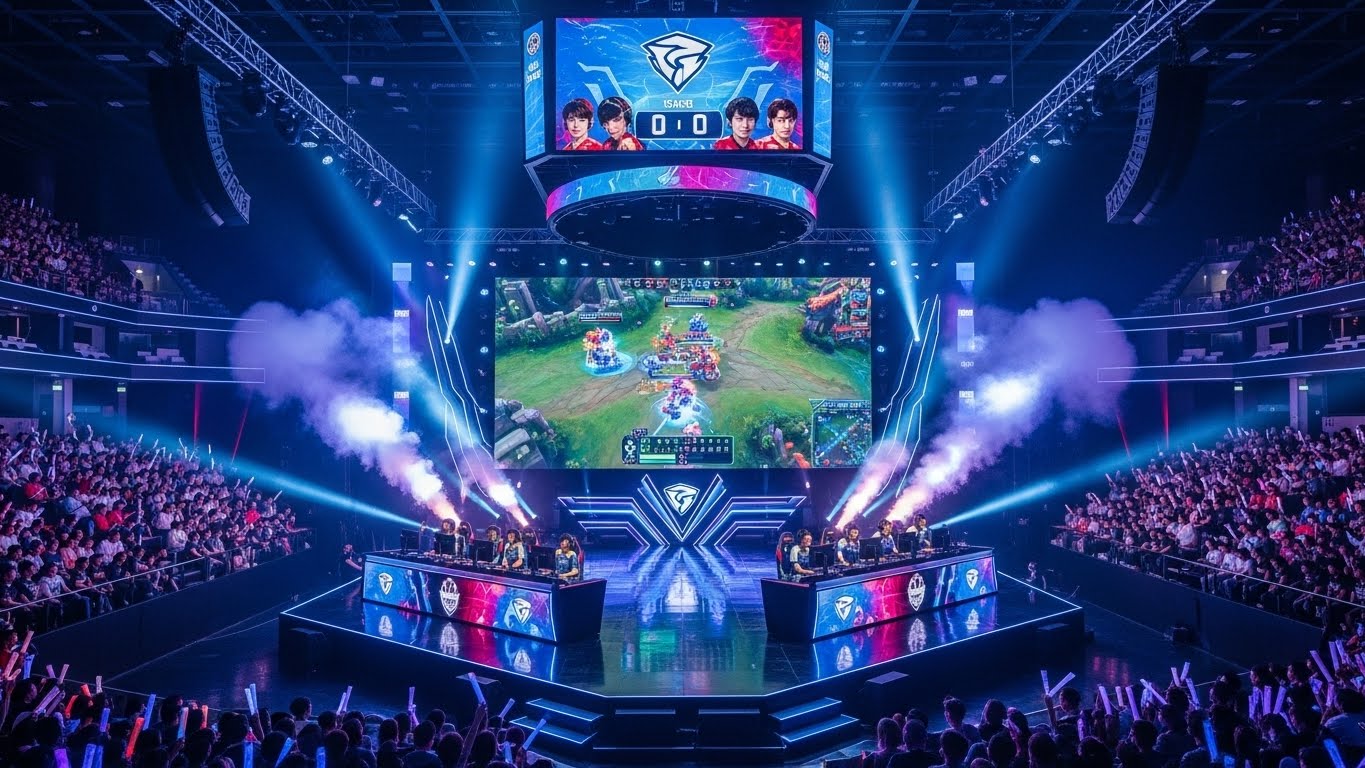
Esports, once a niche hobby, has evolved into a global phenomenon that is shaping the entertainment, sports, and even academic sectors. The competitive gaming scene, once limited to basement tournaments or small LAN parties, has now expanded into large-scale, multi-million-dollar tournaments that draw audiences from around the world. Esports has become an industry in its own right, with professional teams, sponsorships, broadcasting deals, and even college scholarships. But how did this all happen, and what is the future of esports? In this post, we will explore the key aspects that have fueled the rise of esports and the impact it has had on both players and fans alike.
What is Esports?
Esports, short for electronic sports, refers to competitive video gaming. It involves professional players or teams playing video games at the highest level, competing in tournaments for prize money and prestige. The games involved can vary widely, from first-person shooters (FPS) like Counter-Strike or Call of Duty, to real-time strategy (RTS) games like StarCraft and League of Legends. Multiplayer online battle arenas (MOBAs) such as Dota 2 and League of Legends are also incredibly popular in the esports world, as are sports simulation games like FIFA and NBA 2K.
The essence of esports is not just about playing the game, but also about the spectacle—high-level competition, intense matches, and the community built around the games. These competitions are often streamed on platforms like Twitch and YouTube, where millions of viewers watch the action live, discuss strategies, and cheer on their favorite players or teams.
The Evolution of Esports: From Casual to Professional
Esports’ journey to mainstream recognition is a story of gradual growth. In its early years, competitive gaming was largely a hobbyist activity. Small-scale tournaments were held in local communities, and games like StarCraft or Quake had competitive scenes, but the recognition and prize money were minimal. As the internet became more accessible in the late ’90s and early 2000s, online multiplayer games became more widespread. Titles like Warcraft III, StarCraft, and Counter-Strike began to establish competitive scenes, but the concept of esports as we know it today hadn’t yet been solidified.
The turning point for esports came with the rise of streaming platforms. In 2011, Twitch launched, allowing gamers to stream their gameplay to a global audience. This gave birth to the idea of professional streaming, and with it, the concept of gaming as a legitimate career. As millions of viewers tuned into live streams, advertisers began to take notice, and companies started investing in sponsorships, tournaments, and prize money. The arrival of major sponsorships and broadcasting deals helped elevate esports from a niche hobby to a global spectacle.
Major Esports Tournaments and Their Impact
The major esports tournaments are where the most significant shifts in the industry can be observed. Games like League of Legends, Dota 2, and Fortnite have set the standard for professional competitions. The League of Legends World Championship, for instance, attracts millions of viewers each year. It’s a multi-week event where teams from around the world compete for the title of world champion, with the prize pool often reaching several million dollars.
Likewise, The International (Dota 2’s premier tournament) set records with its staggering prize pool, which in 2021 amounted to over $40 million, primarily funded by the community through crowdfunding initiatives. These tournaments are often broadcast live on streaming platforms, and they feature elaborate opening ceremonies, celebrity commentators, and behind-the-scenes documentaries, which all add to the larger-than-life spectacle.
The growing prize money, sponsorships from major global brands, and increasingly high viewership have led to the professionalization of esports in ways that few could have imagined a decade ago. It’s no longer just a hobby—it’s now a global industry. With esports players making salaries that rival traditional athletes and game developers like Riot Games and Valve investing heavily in their games’ competitive scenes, esports has firmly rooted itself as a mainstay in global entertainment.
Esports as a Career Path
One of the most significant transformations driven by esports is the development of professional gaming as a viable career path. As the tournaments and prize pools grew, so did the recognition of esports players as legitimate athletes. Like traditional sports, esports players now train regularly, analyze strategies, and dedicate countless hours honing their skills.
Professional gaming is no longer just for the extremely gifted few; it has become a competitive arena where anyone with enough dedication can aspire to go pro. In fact, esports has even found its way into the academic world. Many universities now offer scholarships for students with exceptional skills in games like League of Legends, Overwatch, and Fortnite. This has allowed players to not only pursue their passion for gaming but also receive an education while doing so. Esports has even become a recognized discipline in some universities, with degrees in esports management and coaching becoming increasingly common.
But the career potential in esports goes beyond just players. Teams need coaches, analysts, managers, and content creators. The rise of esports has led to the creation of an entire ecosystem of jobs, many of which did not exist a few years ago. Esports organizations have grown into full-fledged businesses, with sponsorships, merchandise, and digital content serving as additional revenue streams.
The Role of Streaming in Esports’ Success
Streaming has played an integral role in the development of esports, providing a platform where fans can connect with their favorite players and teams in real-time. Platforms like Twitch, YouTube Gaming, and Facebook Gaming have allowed players to broadcast their gameplay to a massive audience. Streamers now can earn revenue through ads, donations, and subscriptions, creating an ecosystem that supports content creators at all levels.
Streaming is also where esports’ biggest stars are made. Many top players began their careers as streamers, building up a following long before they ever competed in major tournaments. These streamers can make substantial incomes, and their influence extends beyond gaming into brand sponsorships, endorsements, and even fashion.
The engagement between streamers and their fans is one of the most unique aspects of esports. Viewers don’t just watch esports competitions; they interact with players, participate in discussions, and watch live streams of players practicing or playing casually. This creates a more immersive experience for the audience, making them feel like they are part of the community, not just spectators.
The Global Impact of Esports
Esports has had a profound impact on the global sports landscape. It is breaking cultural boundaries by making gaming a universally accessible form of entertainment. Unlike traditional sports, which often require physical infrastructure, esports can be played from anywhere with an internet connection. The global accessibility of esports means that players from any country, regardless of their financial background or location, have the chance to participate and potentially succeed.
In some regions, esports has already become a national pastime. Countries like South Korea have embraced competitive gaming as a cultural institution, with esports athletes receiving the same level of recognition as traditional athletes. In North America, Europe, and China, esports is rapidly growing, with major tournaments drawing in thousands of fans and millions of dollars in sponsorships.
Moreover, esports has made its way into mainstream entertainment, with major television networks like ESPN and major tech companies like Intel and Microsoft jumping on board. Events like The International or the League of Legends World Championship are regularly broadcast live, bringing esports to the same audiences who typically follow traditional sports. The increasing visibility of esports has led to collaborations between gaming organizations and traditional sports teams, with several NBA, NFL, and European soccer clubs investing in esports teams or launching their own.
The Future of Esports
As esports continues to evolve, what lies ahead? The future of esports appears to be bright, with several trends and developments on the horizon. For one, the level of investment in esports infrastructure is growing exponentially. Arena-style stadiums specifically designed for esports tournaments are becoming more common, and more cities are competing to host large-scale competitions. The rise of virtual reality (VR) and augmented reality (AR) gaming could also bring new dimensions to esports, creating an even more immersive experience for players and fans alike.
Additionally, as mobile gaming becomes more powerful, we could see more competitive mobile esports, with titles like PUBG Mobile and Mobile Legends gaining in prominence. Mobile esports could become the next big wave, attracting millions of new fans and players worldwide.
On the organizational side, the development of esports leagues, much like the NBA or NFL, is already underway. The Overwatch League, for example, operates as a global franchise, with cities around the world competing against each other in a structured, season-long competition. This model is likely to spread to other games, creating more stable career opportunities for players and teams and adding even more legitimacy to esports.
Conclusion
Esports has come a long way from its humble beginnings. What started as a niche activity for gamers has become a global industry with millions of fans, lucrative prize pools, and career opportunities for those involved. Whether you’re a player, a fan, or a casual observer, the world of esports has something to offer. As technology continues to evolve, esports will undoubtedly continue to grow, pushing the boundaries of what is possible and reshaping the landscape of entertainment as we know it.
The rise of esports is not just a trend; it’s a revolution that is changing the way we think about gaming, sports, and entertainment. The future is bright, and the journey is only just beginning.