Introduction The Digital Evolution of Competition
Esports has rapidly become one of the most influential and exciting developments in modern entertainment. What once began as small gatherings of passionate gamers has transformed into a global powerhouse, showcasing elite talent, strategic depth, and world-class production. Esports has grown beyond simple gameplay; it is now a cultural, technological, and economic force shaping the future of sports and entertainment. With millions of fans across continents and countless tournaments that rival the intensity of traditional sports, esports stands as the new battleground where digital warriors carve their legacy.
The Origins of Competitive Gaming
Long before esports became a global sensation, gaming competitions existed in smaller and more modest forms. Early contests centered around arcade machines and home computer games, where players challenged each other to achieve the highest scores. As technology evolved, so did competitive gaming. The emergence of local area networks allowed players to compete head-to-head in real time, creating the foundation for modern esports. Each technological leap opened new opportunities for competition and helped shape the competitive gaming culture we see today.
The Explosion of Online Multiplayer Games
The rise of online multiplayer games changed everything. Games like Counter-Strike, StarCraft, and Warcraft introduced players to vast digital worlds where strategy, teamwork, and precision determined victory. This shift turned gaming from a solitary pastime into a highly competitive and social experience.
As internet speeds improved globally, more players joined online communities, creating a landscape ripe for organized tournaments. Developers recognized the growing demand for competitive systems and began integrating ranked modes, spectator tools, and tournament features directly into their games. This helped solidify esports as a dedicated space within the gaming industry.
The Games That Built the Esports Industry
Several iconic games played a crucial role in driving esports into mainstream popularity. Multiplayer battle arenas, tactical shooters, and survival games each carved their niche and built loyal fanbases. Games like League of Legends, Dota 2, Counter-Strike, Fortnite, Overwatch, and Valorant have become staples in competitive gaming.
These games offer depth, balance, and continuous updates, ensuring that strategies evolve and competitions remain unpredictable. No two matches are ever the same, and the tension created by unexpected plays and split-second decisions keeps viewers captivated. These games have shaped not only the competitive scene but also gaming culture as a whole.
Professional Players The Athletes of the Digital Era
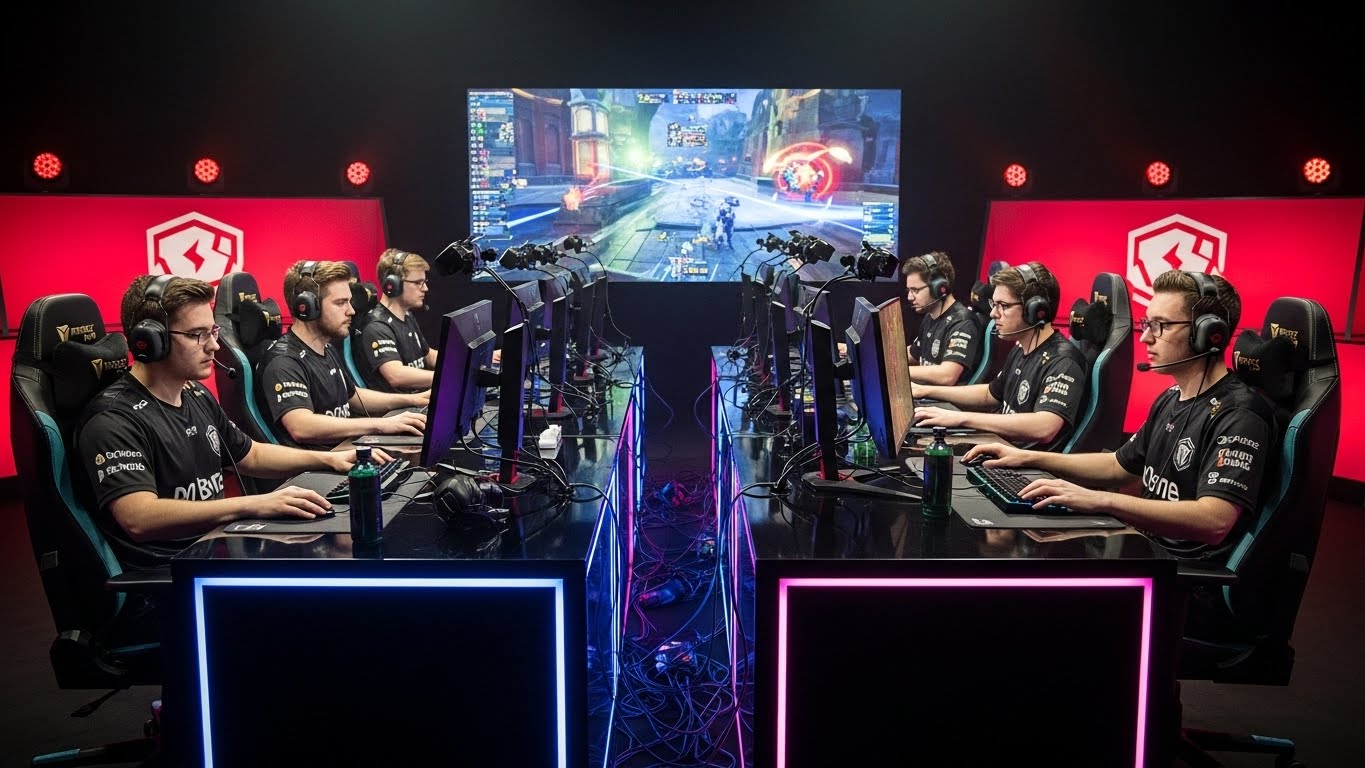
Esports athletes dedicate countless hours to refining their craft. What many people outside the gaming world may not understand is that professional esports players train with the same intensity and discipline as traditional athletes. Practice sessions can last up to ten hours a day, with players analyzing their own performance and studying their opponents.
In many esports titles, success depends on reflexes, game sense, communication, strategic thinking, and emotional control. Professional players must maintain peak cognitive performance under enormous pressure. They consistently face new challenges, whether adapting to game updates, adjusting strategies against stronger opponents, or performing on massive stages with global audiences watching.
This dedication elevates esports athletes to a level of respect once reserved only for traditional sports figures.
The Rise of Esports Teams and Organizations
As esports gained popularity, structured teams and organizations began forming. These organizations operate similarly to traditional sports clubs, complete with support staff, coaches, analysts, nutritionists, and content teams. Players often live and train together in dedicated gaming houses or training facilities designed to optimize performance.
These support systems help players refine their teamwork, improve communication, and minimize stress. Coaches study opponents’ strategies, teach new techniques, and guide players through intense competition schedules. Analysts break down gameplay data to highlight strengths and weaknesses.
Esports organizations have become brands in their own right, building identities that resonate with fans worldwide.
Esports Events A New Kind of Spectacle
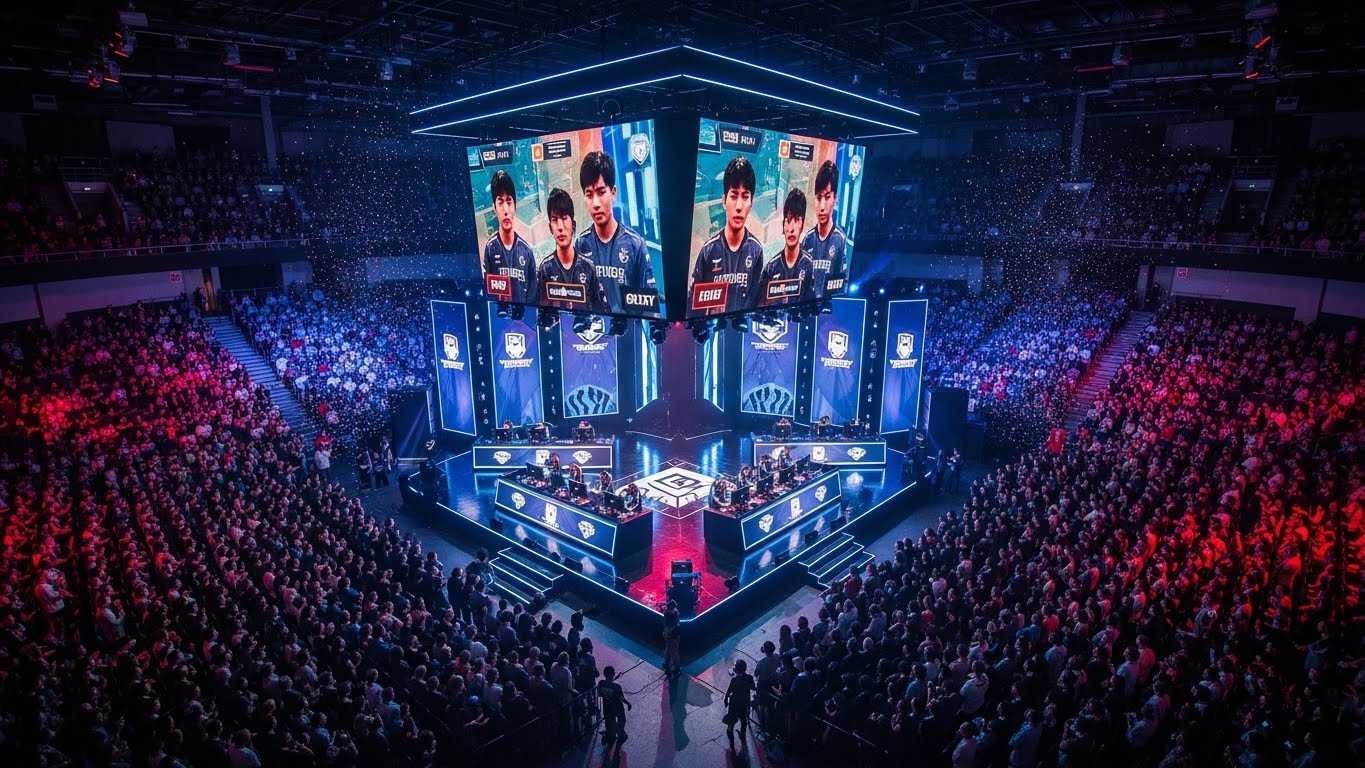
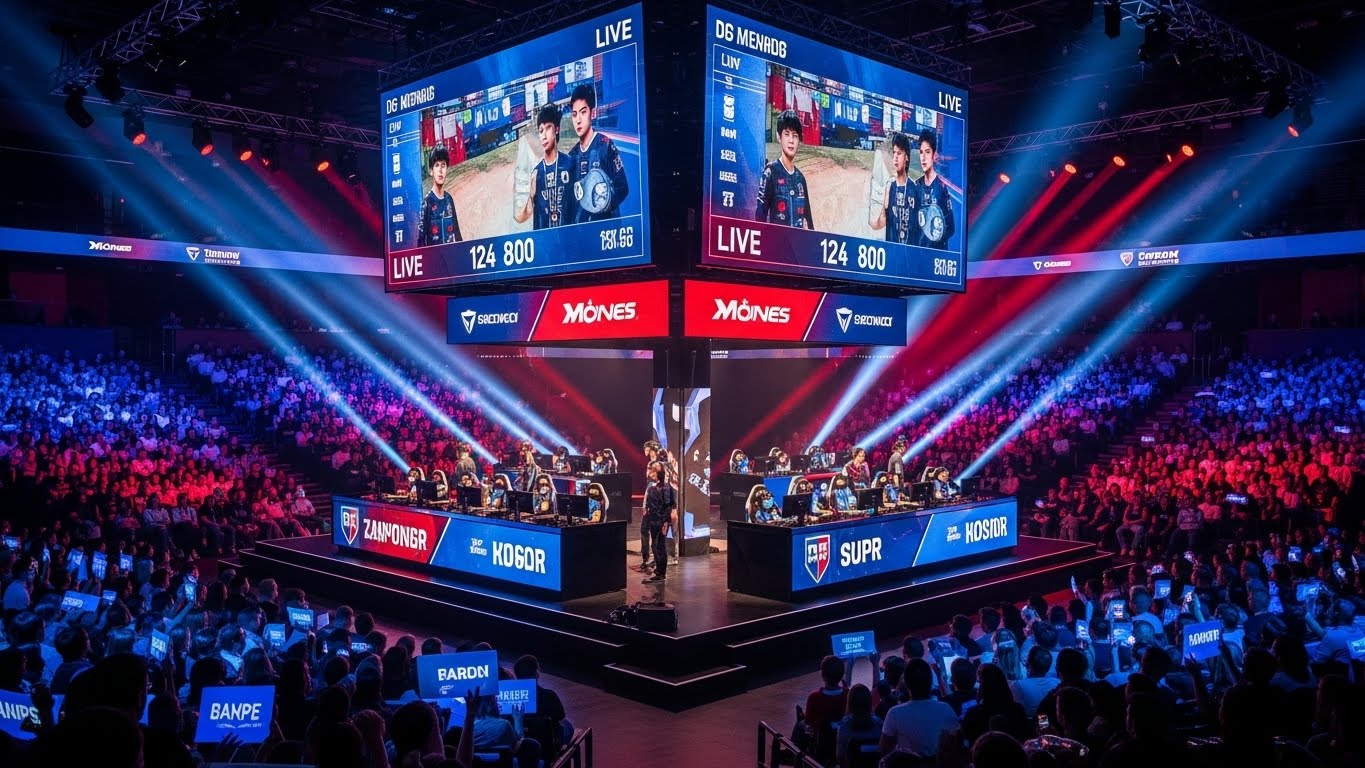
Esports tournaments have grown into massive events filled with excitement, intense competition, and unforgettable moments. Tens of thousands of fans gather in stadiums to watch their favorite teams compete, while millions more tune in from all over the world. These events combine high-energy entertainment with polished production, including detailed commentary, dramatic visuals, and engaging storytelling.
The crowd reactions, team chants, flashing lights, and emotional player responses create an atmosphere unlike anything else. Esports has succeeded in creating a hybrid experience that blends digital innovation with the emotional highs of traditional sports.
The Role of Streaming and Online Communities
Streaming platforms dramatically accelerated the growth of esports. They allow fans to watch live matches, interact through chat, and follow their favorite players. Streaming has turned gaming into both a hobby and a spectacle. Casual players can watch professionals demonstrate advanced techniques, while fans enjoy engaging commentary and shared excitement.
Content creators and streamers have become influential figures in esports culture. They build communities, entertain audiences, and sometimes transition into professional roles. The interactive nature of streaming adds a layer of connection that traditional sports rarely offer.
The Economic Growth of Esports
Esports has evolved into a powerful economic force. Revenue flows from sponsorships, media rights, advertising, merchandise, tournaments, and team branding. Large companies see the value of partnering with esports organizations to reach global audiences, particularly younger demographics who are highly engaged in gaming culture.
The rise of esports has also created thousands of jobs in fields such as event production, broadcasting, marketing, coaching, game design, and content creation. As investment increases, so too does the stability and influence of the industry.
Esports in Education and Youth Development
Educational institutions have begun embracing esports as a legitimate activity that supports skill development. Many schools and universities now establish esports clubs, offer scholarships, and participate in intercollegiate competitions. Esports teaches teamwork, problem-solving, communication, leadership, and time management.
Students not only compete but also learn about technology, digital arts, content creation, and game development. These opportunities prepare young individuals for future careers while fostering a positive and collaborative environment.
The Importance of Mental and Physical Health in Esports
Although esports may take place in a virtual setting, the physical and mental demands on players are real. Long hours of practice can lead to physical strain, and intense competition can create mental fatigue.
To address these issues, organizations focus on building healthier training routines, incorporating exercise, promoting mental wellness, and balancing screen time. Many teams employ sports psychologists to help players improve focus, manage stress, and maintain healthy mindsets.
The industry increasingly acknowledges that long-term success requires holistic well-being.
The Global Community and Cultural Impact
Esports brings together people from different backgrounds, cultures, and countries. The global nature of esports fosters friendships and connections that transcend geographic boundaries. Fans and players communicate using shared gaming terminology, strategies, and experiences, forming an international culture rooted in mutual passion.
Esports has influenced fashion, music, social media trends, and entertainment. Popular streamers and players become influencers who shape modern culture. The digital world continues to expand as esports pushes creativity and innovation forward.
Challenges That Esports Must Overcome
Despite its impressive growth, esports faces several challenges. Ensuring fair play is crucial, as cheating, hacking, and unethical behavior can harm the credibility of tournaments. Healthy career longevity is another concern, as professional players often face burnout due to intense training schedules.
Financial stability can also be unpredictable for smaller organizations or players without major sponsorships. Additionally, as esports grows, it must develop stronger regulatory and organizational structures to protect players’ rights and ensure ethical industry practices.
The Future of Esports
The future of esports looks incredibly promising. New game genres will emerge, virtual reality and augmented reality may revolutionize competitive play, and technology will continue to enhance the viewing experience.
Esports will likely blend more with traditional sports through collaborations, shared training methods, and crossover events. Educational programs will expand, offering more opportunities for players and professionals.
With global interest rising and innovation accelerating, esports is positioned to remain one of the most influential forces in entertainment for decades to come.
Conclusion A New Chapter in Competitive History
Esports has redefined what it means to compete, entertain, and connect. It has built new heroes, inspired new communities, and created new forms of storytelling. This digital battleground is more than a trend; it represents a profound shift in how people experience sports and entertainment.
Whether you are a seasoned player, a passionate fan, or an observer curious about this fast-growing industry, esports offers a world full of strategy, excitement, teamwork, and endless potential. Its journey is still unfolding, and the echoes of digital triumph will continue to shape future generations of players and fans.