Introduction: The Emergence of Esports
Esports, short for electronic sports, has evolved from niche competitions among small groups of enthusiasts into a global phenomenon with millions of fans and professional players. Unlike traditional sports, esports thrives entirely in the digital realm, yet it shares many characteristics with conventional athletic competition, including teamwork, strategy, and discipline. The growth of esports highlights how gaming has transitioned from a form of entertainment to a professional, highly organized industry capable of rivaling traditional sports in popularity and economic impact.
The Early Days of Competitive Gaming
The roots of esports trace back to the 1970s and 1980s when arcade competitions and early console tournaments began to emerge. Early competitive events were local, informal, and often small-scale, but they planted the seeds for a more structured competitive gaming culture. Iconic games like “Space Invaders” and “Pac-Man” began to attract players who were interested in mastery and high scores. This period laid the foundation for the understanding that games could be more than just entertainment—they could be a test of skill and strategy.
The Role of Online Gaming in Esports Growth
The introduction of the internet and online gaming dramatically accelerated esports development. Games like “Counter-Strike,” “StarCraft,” and “Warcraft III” created global communities of competitive players. Online multiplayer functionality allowed individuals to compete against opponents worldwide, fostering skill-based ranking systems and international tournaments. Online platforms also facilitated the rise of professional players who could gain recognition beyond their local gaming communities, transforming competition into a career path for dedicated players.
Major Esports Titles and Their Impact
Several game genres have defined the esports landscape. First-person shooters (FPS) such as “Call of Duty” and “Counter-Strike” focus on precision, reflexes, and teamwork. Multiplayer online battle arena (MOBA) games like “League of Legends” and “Dota 2” emphasize strategy, communication, and adaptability. Fighting games, sports simulations, and real-time strategy games all contribute unique competitive experiences. Each game has built its own professional ecosystem, complete with tournaments, sponsorships, and dedicated fanbases, which collectively drive the growth of esports as a multifaceted industry.
Professional Players: Athletes of the Digital Age
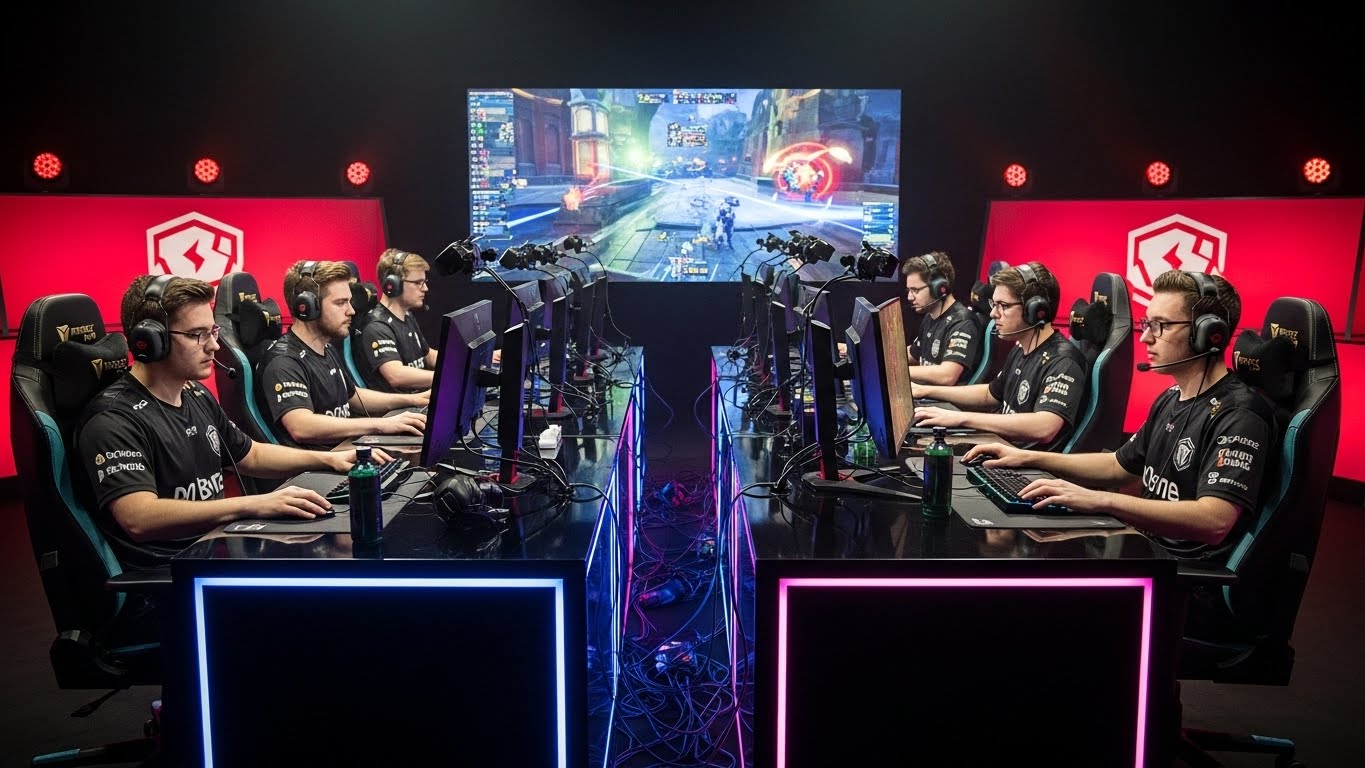
Professional esports players are often compared to athletes in traditional sports due to the dedication, discipline, and training required to excel. Top-level competitors spend hours daily practicing mechanics, strategies, and teamwork. Mental acuity, reflexes, and adaptability are as important as physical dexterity. Like traditional athletes, professional players face rigorous schedules, competitive pressure, and the need for continuous improvement. Their performance in tournaments determines not only their earnings but also their reputation and career longevity.
The Structure of Esports Organizations
Esports has evolved into a highly organized industry with teams, leagues, and management structures similar to traditional sports franchises. Organizations recruit players, coaches, analysts, and support staff to compete in domestic and international tournaments. Leagues provide consistent schedules, sponsorship opportunities, and media exposure. This organizational growth ensures that esports is not merely a hobby but a professional ecosystem capable of sustaining careers and generating revenue through sponsorships, merchandise, and media rights.
The Economics of Esports
Esports generates revenue through multiple channels, including sponsorships, advertising, ticket sales, merchandise, and streaming rights. Major tournaments offer prize pools reaching millions of dollars, attracting players and teams seeking financial success. Brands recognize the influence of esports audiences, especially among younger demographics, and invest heavily in sponsorships and partnerships. The economic growth of esports demonstrates that competitive gaming is more than entertainment—it is a viable industry that supports a wide range of professionals both directly and indirectly.
Esports Tournaments and Global Events
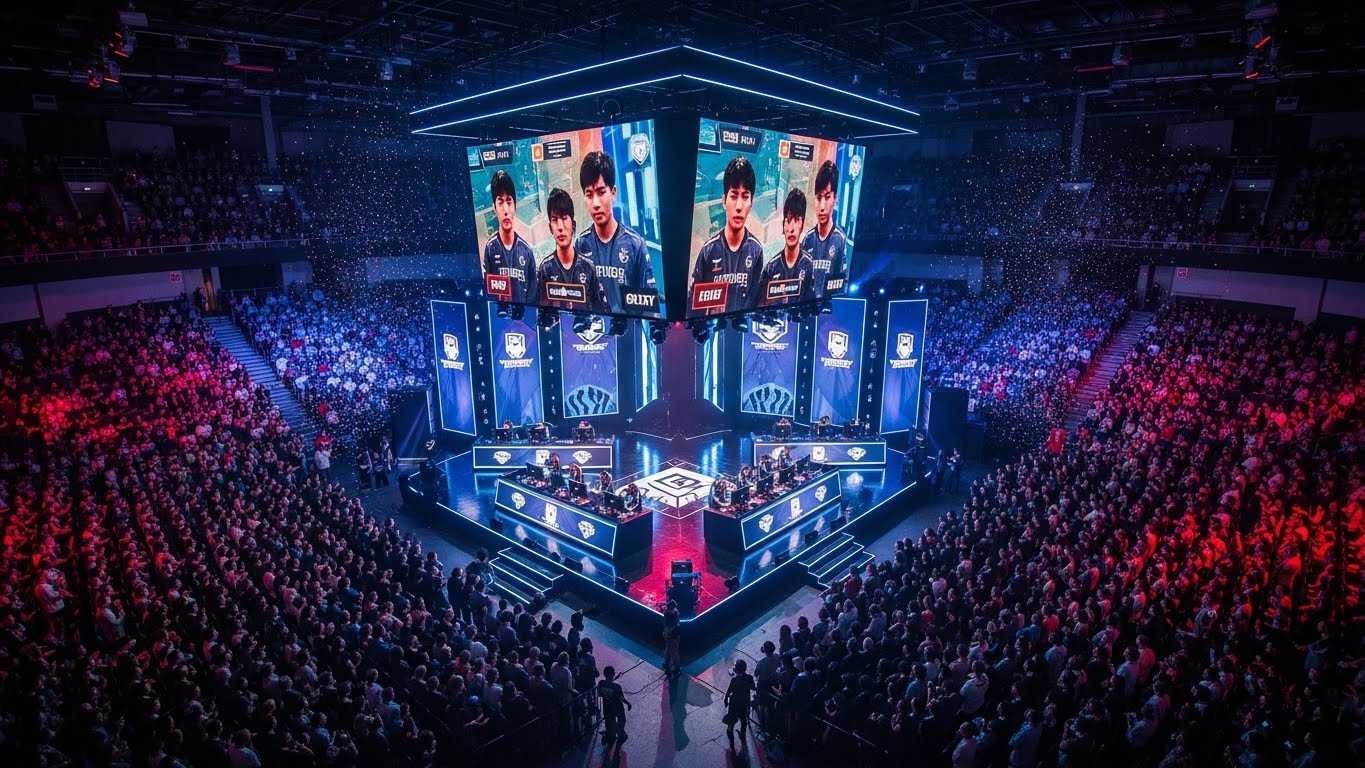
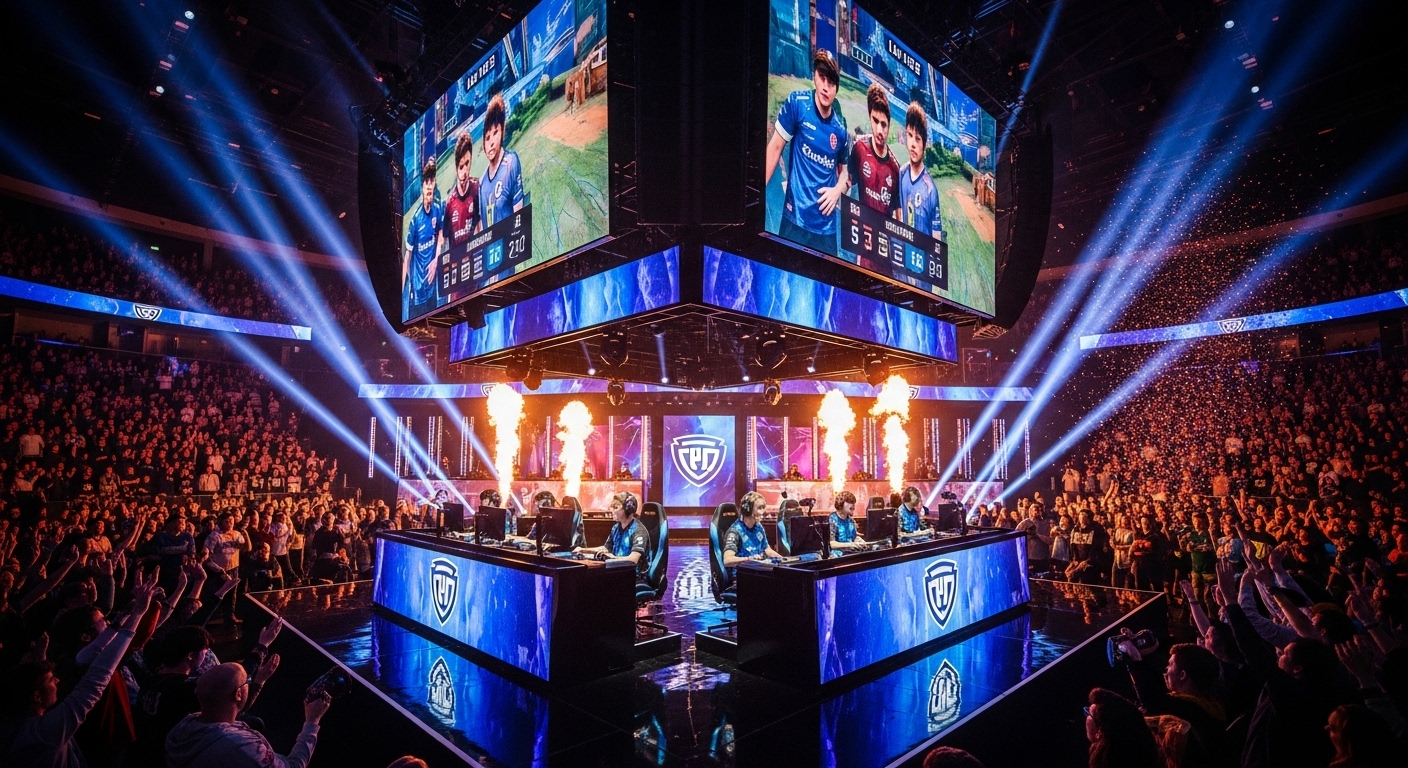
Large-scale esports tournaments have become spectacles comparable to major sporting events. Competitions such as the League of Legends World Championship, Dota 2’s The International, and Counter-Strike’s Major Championships draw millions of viewers worldwide. These events combine live performances, high-stakes matches, and fan engagement, creating an immersive experience for participants and spectators alike. Global tournaments highlight the international nature of esports, bringing together diverse talent and fostering cross-cultural competition and collaboration.
The Role of Streaming Platforms
Streaming platforms have been crucial in the growth of esports. Platforms like Twitch, YouTube Gaming, and other streaming services allow fans to watch live matches, interact with players, and follow esports personalities. Streaming has created opportunities for players to build personal brands, engage with communities, and generate additional income through subscriptions, donations, and sponsorships. The interactivity of streaming enhances fan engagement, making esports not only a competitive activity but also a social experience.
Esports and the Youth Culture
Esports has become deeply ingrained in youth culture, influencing gaming habits, social interactions, and aspirations. Young players often view professional esports careers as attainable goals, inspired by successful players who achieve fame and financial stability. The accessibility of online gaming and streaming platforms allows youth to participate actively in competitive gaming communities, fostering skills such as strategic thinking, teamwork, and communication. Esports also encourages global awareness by connecting players from diverse backgrounds through shared experiences.
Training and Mental Preparation
Success in esports requires more than raw talent; it demands strategic preparation and mental resilience. Players often engage in structured training regimens that include game analysis, tactical discussions, and reaction drills. Mental health is equally important, as high-pressure competitions can be stressful and exhausting. Teams employ psychologists, coaches, and performance analysts to support players’ mental well-being and enhance focus. This professional approach to training demonstrates that esports is a demanding field that requires discipline and commitment similar to traditional sports.
Esports and Technological Innovation
Technology is at the heart of esports. High-performance gaming PCs, consoles, and peripherals provide competitive advantages, while software advancements improve performance tracking and analysis. Virtual reality and augmented reality are beginning to introduce new dimensions of competitive gameplay. Additionally, AI and machine learning help teams analyze opponents’ strategies and optimize training regimens. Technological innovation continues to shape the way esports is played, viewed, and experienced, ensuring the industry remains dynamic and forward-looking.
Challenges Facing the Esports Industry
Despite its rapid growth, esports faces challenges that require careful attention. Issues such as cheating, unfair practices, and online toxicity can undermine competition and community trust. The intense demands of professional gaming can lead to burnout, mental health issues, and short career spans. Regulatory standards are still evolving, and monetization strategies can sometimes exploit players or fans. Addressing these challenges is essential for the sustainable growth of esports, ensuring it remains a respected and credible field.
Esports as a Cultural Phenomenon
Esports is more than competition; it is a cultural phenomenon. It shapes language, trends, fashion, and entertainment. Fans create content, cosplay characters, and engage in discussions about gameplay, strategy, and personalities. Esports conventions, fan events, and online communities celebrate this culture, creating a sense of belonging for millions. It demonstrates that competitive gaming is not just a pastime but a shared cultural experience that transcends borders and unites people through passion and creativity.
The Educational Potential of Esports
Esports also offers educational opportunities by developing skills applicable in real-world scenarios. Strategic thinking, teamwork, problem-solving, and communication are core skills fostered through competitive gaming. Some schools and universities have integrated esports into their programs, offering scholarships, training facilities, and courses on game design and management. These educational initiatives validate esports as a legitimate field of study and career development, bridging the gap between gaming and professional growth.
The Future of Esports
The future of esports looks promising and expansive. With technological advancements, increasing investment, and global recognition, esports will continue to grow in scale, reach, and influence. We can expect more immersive competitions, interactive experiences for fans, and integration with other entertainment mediums such as music, film, and virtual events. Esports may also inspire new forms of competition, hybrid formats, and cross-industry collaborations, ensuring it remains a dynamic and influential part of global culture.
Conclusion: Esports as a Modern Sporting Revolution
Esports has redefined competition, entertainment, and digital culture. It combines skill, strategy, teamwork, and technology in ways that rival traditional sports while offering unique opportunities for creativity and global engagement. From humble beginnings in arcades and local tournaments to multi-million-dollar international events, esports represents a new era of gaming as both a profession and a cultural phenomenon. As the industry continues to evolve, it will shape not only the future of gaming but also the way society perceives competition, entertainment, and digital community.