Introduction to the Gaming Universe
Gaming has evolved from a simple leisure activity into one of the most powerful and influential industries in the modern era. It has become more than just entertainment; it is a global cultural phenomenon that merges technology, art, storytelling, and human connection. Across generations, gaming has transformed the way people learn, compete, and express creativity. From ancient board games carved on stone tablets to immersive virtual worlds powered by artificial intelligence, gaming continues to redefine how humans experience fun, challenge, and discovery.
The Historical Roots of Gaming
The story of gaming begins long before computers and consoles. Thousands of years ago, civilizations across the world used games as tools of education, socialization, and strategy. The Egyptians played Senet, one of the oldest known board games, while the Chinese developed Go, a game of deep logic and foresight that remains popular even today. The Greeks and Romans created athletic contests that combined physical and strategic skills.
These early forms of gaming were more than simple diversions; they reflected human curiosity and the desire for competition. Over centuries, games became woven into cultures, traditions, and social interactions. They taught discipline, strategy, and teamwork—principles that still form the foundation of gaming today.
The Birth of Video Games
The modern concept of gaming took shape in the 20th century with the rise of electronic entertainment. The 1950s and 1960s saw the first experimental video games developed by computer scientists. What began as small digital experiments evolved rapidly into the first arcade games like Pong and Space Invaders. These early titles may look primitive now, but at the time, they sparked an entirely new form of play—one that combined technology with creativity.
By the 1980s, gaming had reached mainstream audiences through home consoles and personal computers. Iconic franchises such as Super Mario Bros, Tetris, and The Legend of Zelda captured the imagination of millions. This was the golden age of gaming, a period that introduced not only colorful characters and engaging gameplay but also the beginnings of narrative depth and emotional connection in games.
The Technological Revolution in Gaming
Technology has always been at the core of gaming’s evolution. As processors became faster and graphics more advanced, the boundaries of what games could achieve expanded. The transition from 2D to 3D in the 1990s brought worlds to life in ways previously unimaginable. Players could now explore vast digital landscapes, interact with complex characters, and experience cinematic storytelling.
Sound design and music also evolved, adding layers of emotion and realism. The introduction of motion capture allowed for lifelike animations, while artificial intelligence brought smarter enemies and dynamic gameplay. Today, gaming technology encompasses high-definition graphics, virtual reality, augmented reality, and cloud computing. Each innovation pushes the limits of immersion, making players feel more connected to the digital worlds they explore.
The Rise of Online and Multiplayer Gaming
The arrival of the internet changed everything. Gaming was no longer a solitary experience; it became social, competitive, and collaborative. Online multiplayer games connected players from every corner of the globe, creating communities that transcended geography, language, and culture.
Massive multiplayer games allowed thousands of people to interact within the same digital environment, forming alliances, building virtual economies, and even creating friendships that extended into real life. The sense of community and belonging became a major driving force behind the success of online gaming. Whether through cooperative missions, strategy-based matches, or role-playing adventures, players learned teamwork, communication, and strategic thinking.
The Artistic Side of Gaming
Gaming is not just technology—it is also art. Modern games are masterpieces that blend visual design, storytelling, music, and emotion. Developers and artists spend years crafting intricate worlds that draw players into deep narratives and emotional journeys. From breathtaking landscapes to cinematic storytelling, games have become a creative medium that rivals film and literature in artistic depth.
Music composers and sound designers contribute significantly to the emotional experience. A game’s soundtrack can make players feel joy, fear, or triumph. The combination of visuals, music, and interactivity transforms games into living works of art where the player becomes part of the creative process.
Gaming as a Storytelling Medium
Unlike movies or books, games allow players to shape the story through their actions. The player becomes both the audience and the author, influencing the outcome of the narrative. This interactivity creates a powerful emotional bond that other media cannot replicate.
Games like role-playing adventures and open-world explorations provide moral choices, consequences, and multiple endings. This sense of agency—where every decision matters—makes storytelling in games deeply personal. Through character-driven narratives, games teach empathy, problem-solving, and emotional intelligence, making them one of the most immersive storytelling forms in existence.
The Economic Power of the Gaming Industry
Today, gaming stands as one of the largest entertainment industries in the world. It generates billions in annual revenue and supports millions of jobs globally. Game development, design, programming, sound production, and marketing have created a diverse ecosystem of professionals who contribute to the growth of the industry.
The business of gaming has also inspired entrepreneurship and innovation. Indie game developers now have platforms to share their creations with global audiences. Competitive gaming, known as esports, has created professional opportunities for players, commentators, and organizers. The economic potential of gaming continues to expand, proving that it is both a creative art form and a thriving global business.
The Rise of Esports and Competitive Gaming
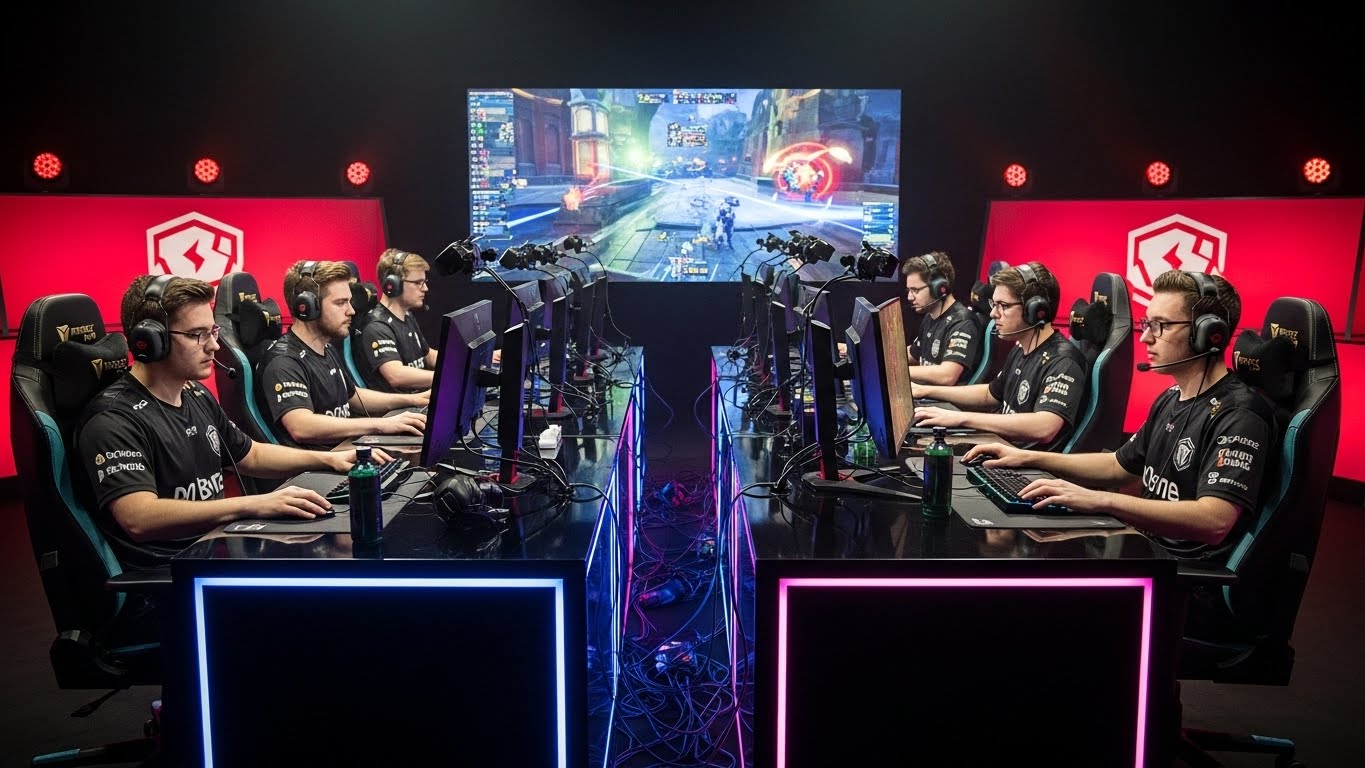
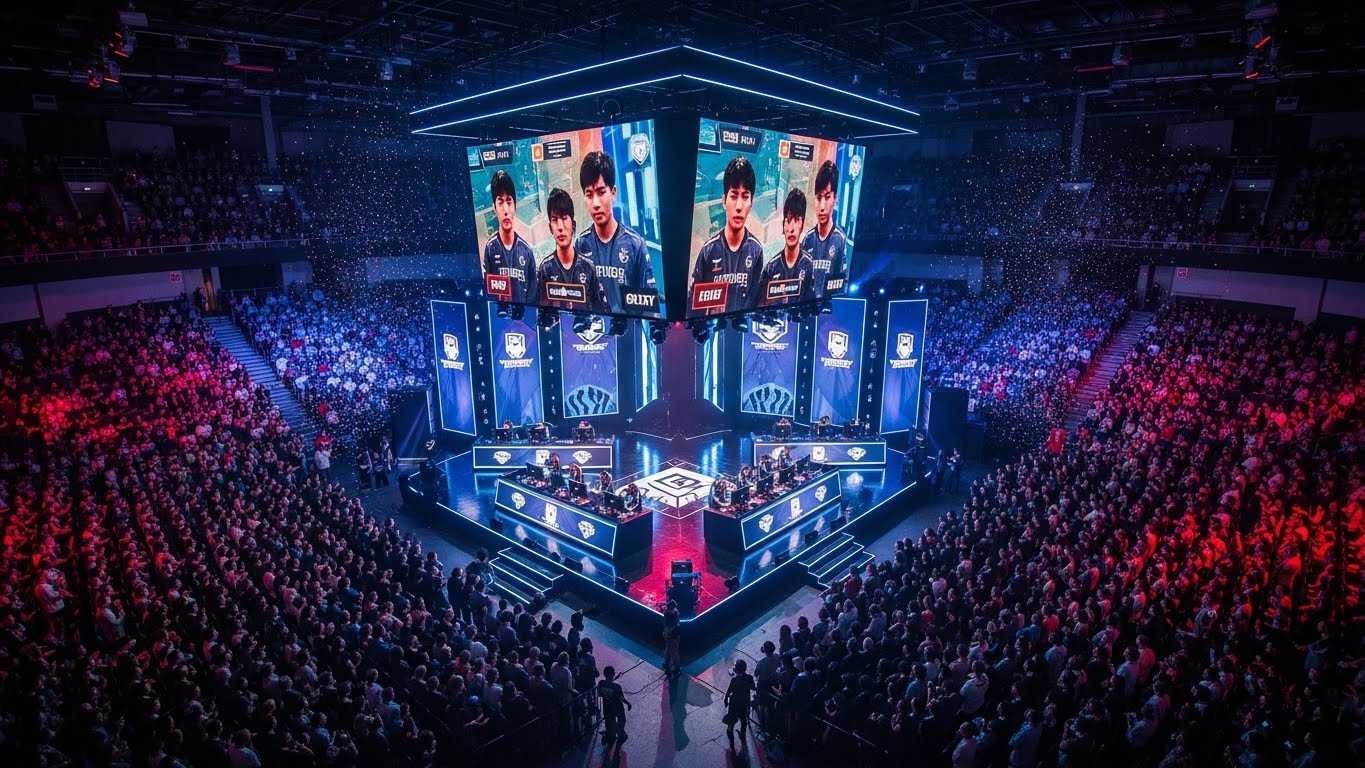
Esports represents one of the most exciting transformations in gaming’s modern history. What began as small local competitions has evolved into a global phenomenon with massive audiences and multi-million-dollar tournaments. Players train rigorously, mastering strategies and teamwork similar to traditional athletes.
Esports events fill stadiums, and matches are watched by millions online. This competitive scene has given rise to gaming celebrities, sponsorship deals, and career opportunities in coaching, analysis, and broadcasting. Beyond competition, esports has helped legitimize gaming as a serious pursuit that requires dedication, discipline, and strategic intelligence.
Mobile Gaming and Accessibility
The emergence of smartphones revolutionized accessibility in gaming. Mobile gaming made interactive entertainment available to anyone, anywhere. With just a device in hand, people could enjoy games that fit their lifestyles—whether casual puzzles or immersive multiplayer battles.
This accessibility opened gaming to broader demographics, including those who had never played on consoles or PCs. Mobile platforms have also given independent developers a chance to reach global audiences without the need for large budgets. The success of mobile gaming demonstrates that simplicity, creativity, and accessibility can be as powerful as complex graphics or expensive hardware.
The Psychological and Educational Value of Games
Beyond entertainment, gaming offers psychological and educational benefits. Strategy games enhance critical thinking and problem-solving skills. Puzzle and simulation games improve memory and focus. Multiplayer games develop teamwork, leadership, and communication abilities.
Educational institutions now use gaming to teach subjects like mathematics, history, and science in interactive ways. Serious games and simulations train professionals in fields such as medicine, aviation, and engineering. Furthermore, games provide emotional and mental relief by offering safe spaces for relaxation, creativity, and self-expression.
The Importance of Balance and Responsible Gaming
While gaming offers countless benefits, balance remains essential. Excessive play can lead to issues such as fatigue or social isolation if not managed responsibly. Developers and organizations emphasize responsible gaming by including features that track playtime, limit spending, and encourage breaks.
Parents and educators play an important role in guiding younger players toward healthy gaming habits. By promoting moderation and mindfulness, gaming can remain a positive force that enriches rather than disrupts life. Responsible gaming ensures that the focus stays on enjoyment, creativity, and learning.
The Future of Gaming: Virtual Reality and Beyond
The future of gaming lies in immersive technologies that push the boundaries of imagination. Virtual reality transports players into fully interactive worlds, while augmented reality blends the digital and physical realms. Artificial intelligence is making games smarter, creating adaptive environments that respond to each player’s unique behavior.
Cloud gaming is another breakthrough, allowing high-quality games to be streamed instantly without powerful hardware. These innovations will make gaming more accessible and immersive, expanding possibilities for both creators and players. The future promises experiences that blur the line between reality and imagination, where storytelling, technology, and emotion merge seamlessly.
The Social Power of Gaming Communities
Gaming is not just about playing; it is about belonging. Online communities have become spaces where people share experiences, celebrate victories, and form lasting friendships. Cooperative missions, creative building games, and role-playing environments foster teamwork and understanding among players from diverse cultures and backgrounds.
This sense of unity shows the true potential of gaming as a force for connection. In a world often divided by differences, gaming builds bridges through shared adventures and goals. It teaches empathy, respect, and collaboration—values that extend beyond the digital world.
Conclusion: Gaming as the Future of Human Creativity
Gaming is more than a hobby or an industry; it is a reflection of human imagination. It combines technology, art, and storytelling to create experiences that inspire and unite people. Every click, decision, and challenge in a game represents the creativity and spirit of exploration that defines humanity.
As technology evolves, gaming will continue to shape our culture, education, and relationships. It has the power to entertain, teach, heal, and connect. From ancient board games to futuristic virtual realities, gaming remains an eternal expression of curiosity and creativity. The evolution of gaming is not just about machines or software—it is about people and their limitless capacity to dream. In the world of gaming, imagination truly has no end.