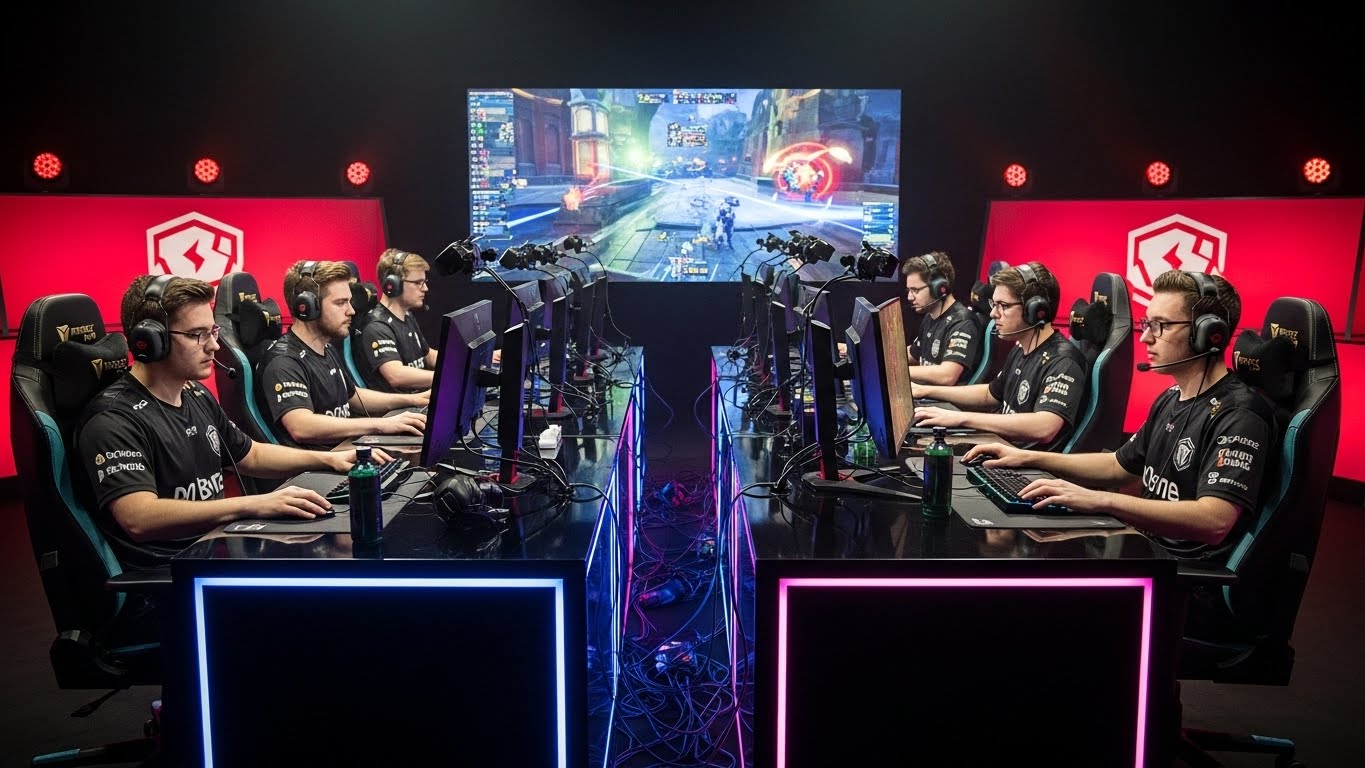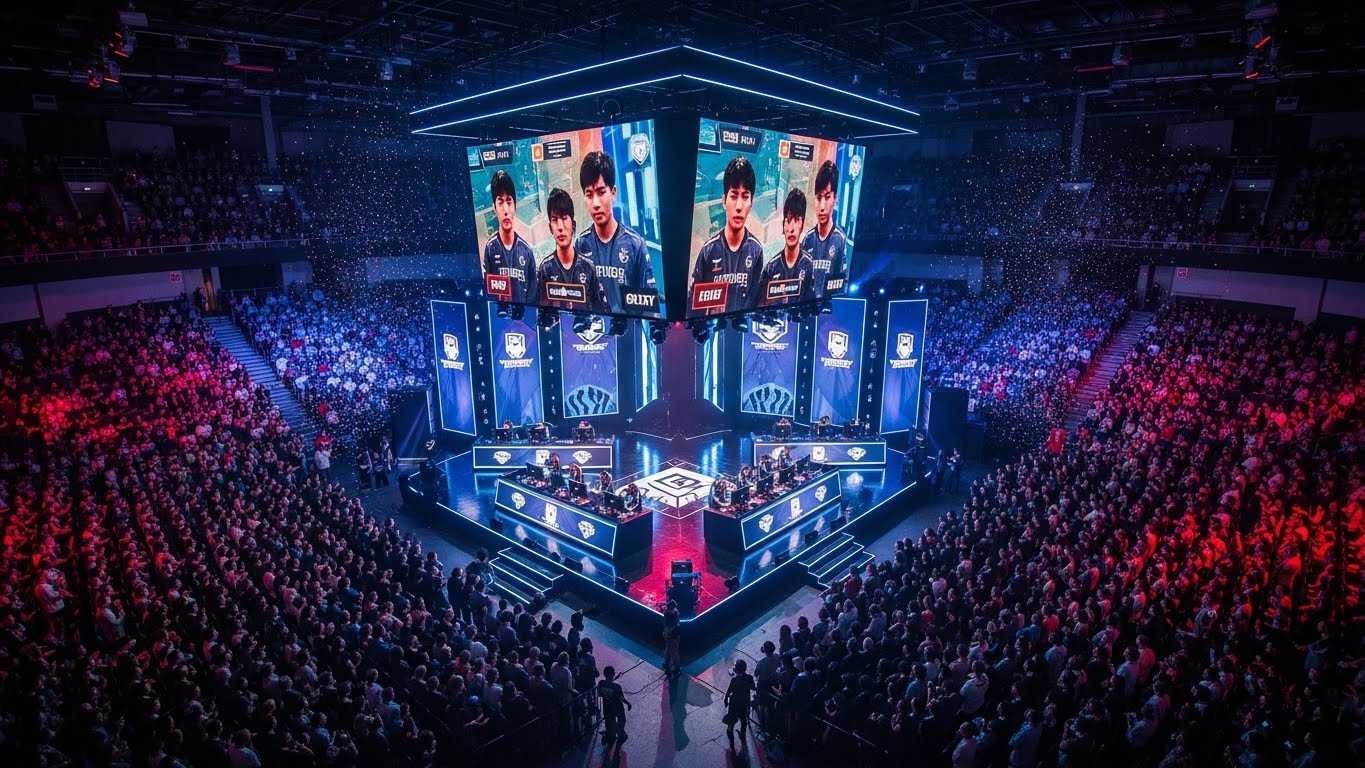
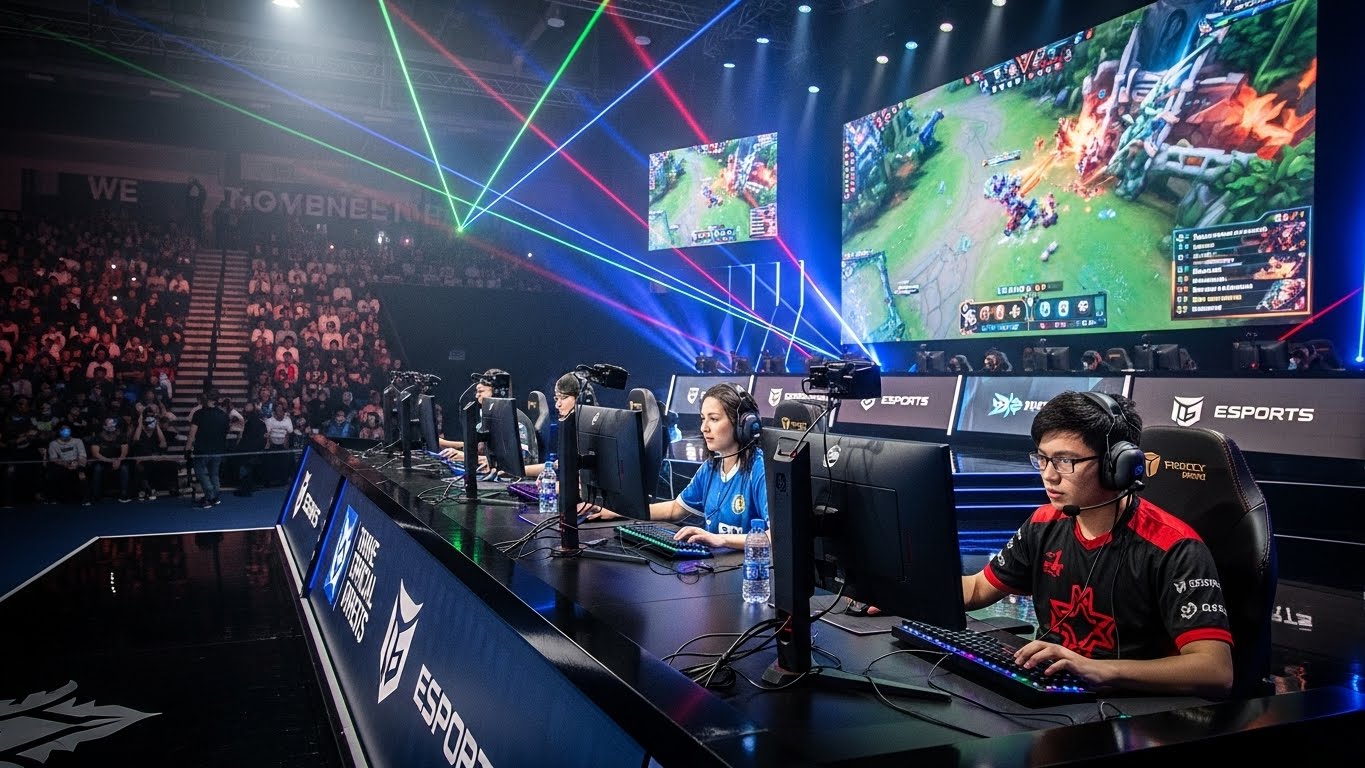
Esports, or competitive video gaming, has emerged as one of the most dynamic and rapidly growing industries in the world. From small tournaments in internet cafes to international competitions watched by millions, esports has transformed the way people perceive gaming, entertainment, and professional competition. Beyond the thrill of the game, esports has influenced culture, technology, and careers, providing new opportunities for players, organizers, and fans alike. This blog explores the rise of esports, its cultural and economic impact, the benefits of participation, and its future in the digital entertainment landscape.
The Rise of Esports: From Hobby to Global Phenomenon
Esports began as a niche hobby, with early competitions taking place in arcades and LAN parties. The 1990s saw the emergence of competitive tournaments for games like StarCraft, Quake, and Counter-Strike, laying the foundation for organized esports.
With the rise of high-speed internet, streaming platforms, and online multiplayer games, esports began to reach wider audiences. Today, esports tournaments attract millions of viewers worldwide, offering professional players significant recognition, sponsorships, and financial rewards. The evolution from casual gaming to structured competition has transformed esports into a legitimate global industry.
Popular Esports Genres and Games
Esports encompasses a wide variety of game genres, each attracting unique audiences and players. Multiplayer Online Battle Arena (MOBA) games like League of Legends and Dota 2 emphasize strategy, teamwork, and quick decision-making. First-Person Shooter (FPS) games such as Counter-Strike: Global Offensive and Call of Duty focus on precision, reflexes, and tactical skills.
Battle Royale games, including Fortnite and Apex Legends, test survival skills, strategy, and adaptability in large-scale environments. Fighting games, sports simulations, and real-time strategy games each bring their own challenges and competitive formats. The diversity of genres ensures that esports appeals to a broad range of players and fans worldwide.
The Structure of Professional Esports
Professional esports operates through structured leagues, tournaments, and championships. Players are often part of teams or organizations, receiving salaries, training, and coaching similar to traditional sports athletes. Esports events include qualifiers, regional competitions, and international championships with prize pools reaching millions of dollars.
Teams analyze gameplay, develop strategies, and practice rigorously to improve performance. Esports organizations also focus on branding, marketing, and fan engagement, creating a professional ecosystem that supports players, sponsors, and content creators. The professionalism of esports has elevated gaming into a respected career path and entertainment sector.
Economic Impact of Esports
Esports has become a multi-billion-dollar industry, generating revenue through sponsorships, advertising, media rights, merchandise, and ticket sales. Major corporations invest in teams, tournaments, and streaming platforms, recognizing the marketing potential of the esports audience.
Streaming platforms provide additional revenue streams for players and content creators, allowing them to monetize gameplay through subscriptions, donations, and advertising. Esports has also stimulated related industries such as gaming hardware, software development, event management, and digital media, making it a significant contributor to the global economy.
The Role of Technology in Esports
Technology is central to the growth and success of esports. High-performance computers, gaming peripherals, and reliable internet connections are essential for competitive play. Streaming technology enables live broadcasts of tournaments to millions of viewers globally.
Artificial intelligence and analytics tools help players and teams refine strategies, improve reaction times, and analyze opponents’ gameplay. Virtual reality and augmented reality are emerging technologies that may soon enhance the esports experience for players and audiences alike. Technology ensures that esports remains immersive, accessible, and continuously evolving.
Esports and Social Interaction
Esports provides a unique social platform where players and fans connect worldwide. Multiplayer games foster collaboration, communication, and teamwork, creating communities around shared interests. Fans engage with their favorite teams and players through live events, streaming platforms, and online forums, forming vibrant digital communities.
Esports tournaments bring people together both online and offline, fostering friendships, cultural exchange, and a sense of belonging. The social aspect of esports contributes to its popularity, making it not just a game but a shared global experience.
Cognitive and Skill Benefits of Esports
Participation in esports develops numerous cognitive and technical skills. Strategic thinking, problem-solving, decision-making under pressure, and multitasking are essential in competitive gaming. Players improve reaction times, hand-eye coordination, and spatial awareness.
Team-based esports cultivates communication, leadership, and collaborative skills. Players must adapt strategies, coordinate roles, and make quick decisions to succeed. These cognitive and social benefits demonstrate that esports is more than entertainment; it is a platform for skill development and mental agility.
Mental Health and Esports
Esports provides emotional and psychological benefits when approached responsibly. Engaging in competitive play can boost confidence, provide a sense of achievement, and reduce stress through immersion in focused gameplay.
However, like any competitive activity, esports can also pose challenges. Extended screen time, stress from high-level competition, and online toxicity are concerns that require balance and self-regulation. Organizations and players are increasingly emphasizing mental health support, breaks, and wellness practices to ensure sustainable engagement in esports.
Women in Esports
The esports industry is working toward greater inclusion for women. Female players, streamers, and commentators have gained visibility, challenging stereotypes and inspiring younger generations. Tournaments and leagues specifically for women have also emerged, providing safe and supportive environments for competition.
Increased representation of women promotes diversity, equality, and broader participation. Supporting female involvement in esports ensures that the industry benefits from talent, creativity, and perspectives from all genders.
Esports Education and Career Opportunities
Esports has created new career pathways beyond playing professionally. Coaching, commentary, event management, content creation, marketing, and software development are just a few roles supporting the industry. Universities and institutions now offer programs in esports management, broadcasting, and game design, recognizing the growing professional demand.
Education and training in esports prepare students for diverse careers while promoting teamwork, strategy, and digital literacy. This professionalization underscores esports as a legitimate and sustainable industry with broad economic and social impact.
Esports as Entertainment
Esports has transformed gaming into a spectator sport. Live-streamed tournaments, commentary, and fan engagement make esports highly entertaining for global audiences. Fans follow teams, predict outcomes, and participate in interactive events, creating a sense of excitement and connection similar to traditional sports.
The entertainment value of esports is enhanced by storytelling, rivalries, and high-level skill demonstration. Esports combines strategy, skill, and spectacle, making it engaging for players and viewers alike.
Global Influence and Cultural Impact
Esports has a significant cultural impact worldwide. Countries such as South Korea, China, and the United States have developed professional leagues, training academies, and large fan bases. Esports has influenced popular culture, fashion, music, and online communities.
The global reach of esports promotes cultural exchange and awareness. Fans from different countries interact online, creating cross-cultural friendships and shared experiences. Esports has become a platform where digital culture, creativity, and competition converge.
Challenges Facing Esports
Despite its rapid growth, esports faces challenges. Issues like online harassment, cheating, and the mental strain of competitive play require attention. Regulatory frameworks for fair play, betting, and tournament standards are still developing in many regions.
Balancing professional careers with education, physical health, and mental wellness is crucial for sustainable growth. Addressing these challenges ensures that esports remains a positive and rewarding experience for all participants.
The Future of Esports
The future of esports is bright and innovative. Emerging technologies like virtual reality, augmented reality, and AI will further enhance gameplay and audience engagement. Increased inclusivity, educational integration, and professionalization will expand opportunities for players worldwide.
Esports will continue to merge with mainstream entertainment, offering interactive experiences and collaborative events. As the industry grows, esports will redefine digital competition, entertainment, and global community engagement, solidifying its place as a permanent fixture in modern culture.
Conclusion: Esports as a Transformative Force
Esports has evolved from a niche hobby to a global phenomenon, reshaping the world of competition, entertainment, and professional careers. It offers physical, cognitive, and social benefits while fostering global communities, cultural exchange, and personal growth.
By combining strategy, skill, technology, and social interaction, esports provides experiences that are immersive, challenging, and rewarding. With responsible engagement, inclusivity, and innovation, esports is poised to continue transforming how people play, watch, and connect in the digital age. The rise of esports is not just about gaming—it is about redefining competition, entertainment, and global connection in the 21st century.