Introduction: A New Era of Play
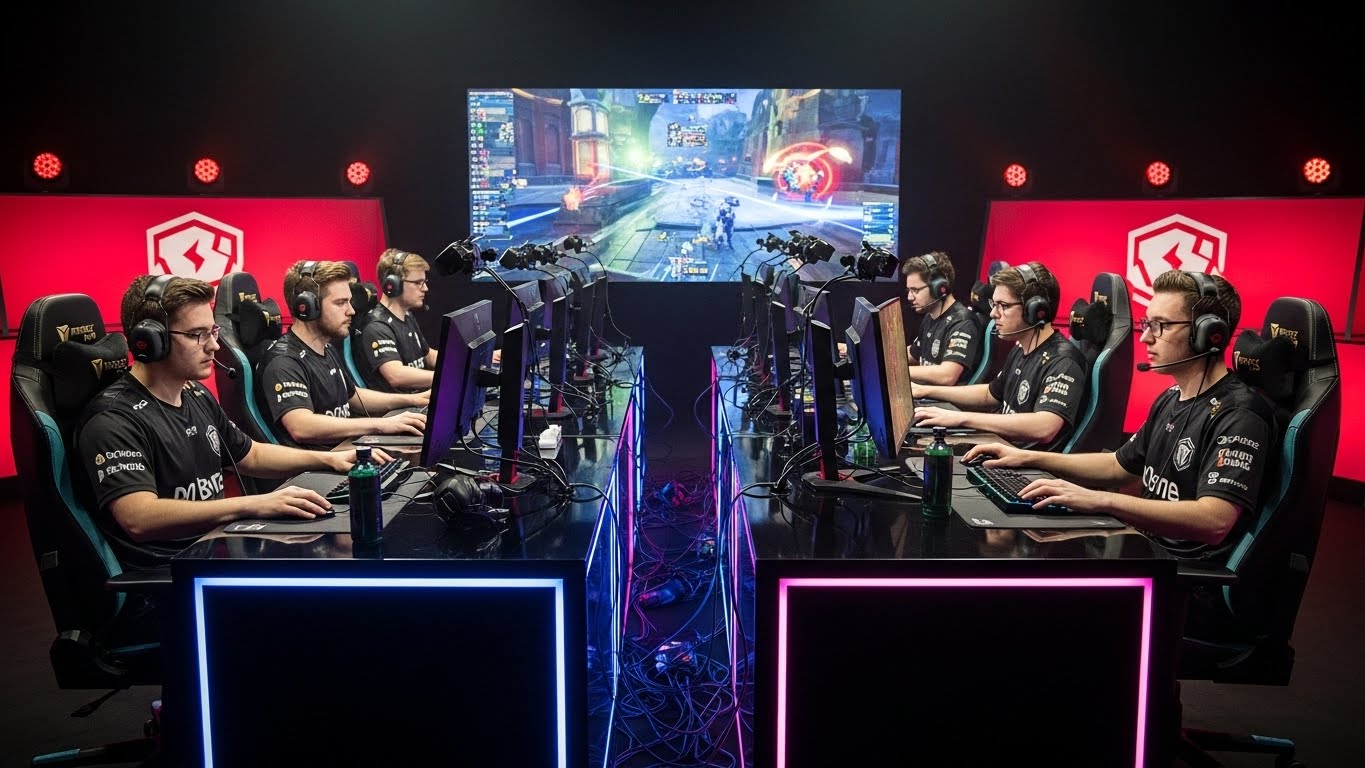
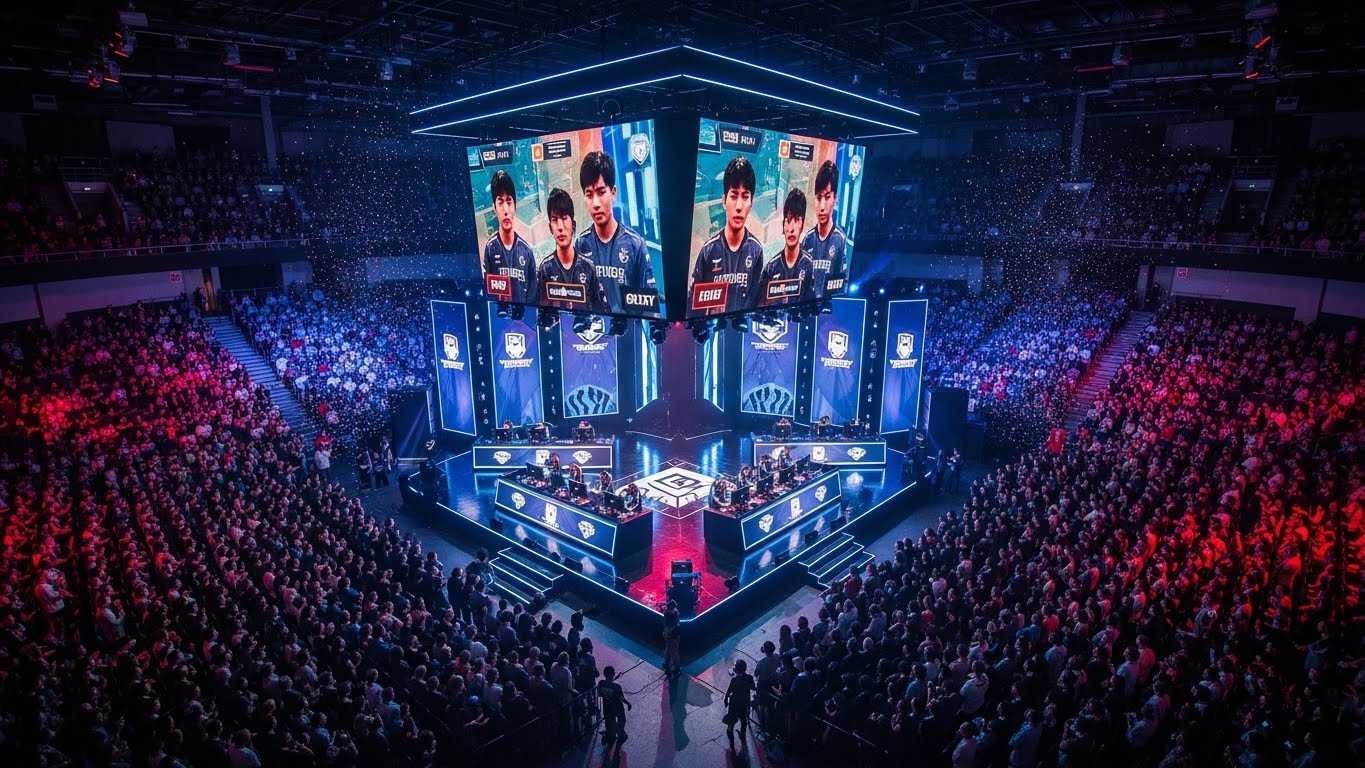
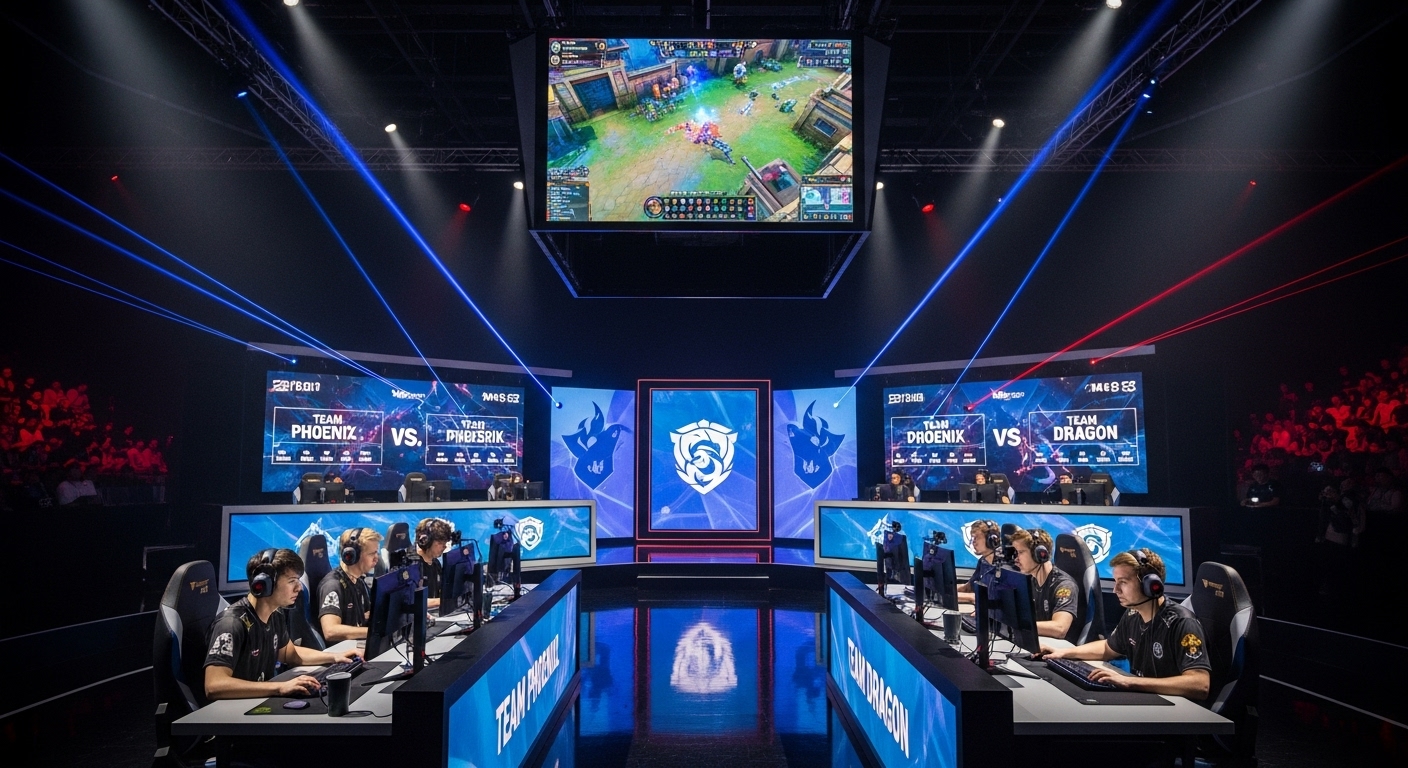
Once upon a time, video games were viewed as simple entertainment — a way to unwind after school or work. Today, that perception has changed dramatically. Esports, or electronic sports, have transformed gaming into a global phenomenon of skill, strategy, and spectacle. What began as small LAN parties among friends has evolved into professional leagues filling stadiums, commanding millions of online viewers, and generating billions in revenue. Esports are no longer a hobby; they are a legitimate form of competition, entertainment, and business.
The Origins of Esports
The roots of esports can be traced back to the 1970s and 1980s when arcade competitions and early console tournaments began to surface. Games like Space Invaders and Donkey Kong inspired players to compete for high scores, paving the way for structured gaming contests. The turning point came in the late 1990s and early 2000s with the rise of online multiplayer games such as Counter-Strike, StarCraft, and Quake. The internet allowed players from different countries to face each other in real time, transforming gaming into a global contest rather than a local pastime.
During this period, South Korea emerged as a powerhouse in competitive gaming. The country’s investment in broadband infrastructure and cultural acceptance of gaming made it a breeding ground for professional players and organized tournaments. Televised matches of StarCraft attracted huge audiences, setting the standard for what esports could become on a global scale.
The Rise of Professional Esports
By the 2010s, esports had entered a golden era. Titles like League of Legends, Dota 2, and Counter-Strike: Global Offensive began hosting massive tournaments with multimillion-dollar prize pools. Teams were no longer groups of friends playing for fun but structured organizations with coaches, analysts, and sponsorships. Players trained like athletes, practicing for hours daily to refine reflexes, communication, and strategy.
The introduction of live streaming platforms like Twitch and YouTube Gaming amplified this growth. Fans could now watch their favorite players and teams compete from anywhere in the world, creating a connection between the audience and the players that traditional sports sometimes struggled to maintain. As viewership climbed into the hundreds of millions, brands and investors took notice, fueling further expansion and professionalism in the esports scene.
The Business Behind the Screen
Esports today represent a thriving ecosystem. Revenues come from sponsorships, advertising, media rights, ticket sales, and in-game purchases. Companies ranging from tech giants to beverage brands are eager to associate themselves with the youthful, tech-savvy audience that esports attract. Major tournaments like The International and the League of Legends World Championship generate not only massive prize pools but also global attention rivaling traditional sporting events.
Franchised leagues such as the Overwatch League and the Call of Duty League have introduced a structure similar to traditional sports, complete with city-based teams, regular seasons, and playoffs. These leagues have professional contracts, player unions, and even health and wellness programs. Esports organizations are becoming brands in themselves, with loyal fan bases, merchandise lines, and celebrity endorsements.
The Cultural Shift: From Basement to Mainstream
What once was a niche hobby is now a cultural pillar. Esports players are celebrities, often with millions of followers on social media. They appear in advertisements, collaborate with musicians, and influence global trends. Universities around the world now offer scholarships for esports athletes, while academic programs study the psychology and economics of competitive gaming.
This cultural shift also extends to how society views gaming as a whole. The stereotype of the isolated gamer has been replaced by images of teamwork, leadership, and innovation. Many young people now aspire to become professional gamers, casters, or content creators, seeing it as a legitimate and rewarding career path. Governments and educational institutions have begun to recognize the potential of esports not just as entertainment but as a driver of digital literacy, creativity, and global connectivity.
The Games That Built the Stage
While hundreds of games have competitive scenes, a few have defined the esports industry. League of Legends, with its intricate strategy and massive international tournaments, stands at the forefront. Dota 2 follows closely, famous for The International, which consistently offers one of the largest prize pools in esports history. Counter-Strike remains the benchmark for tactical shooters, celebrated for its skill-based gameplay and decades-long legacy.
Other titles like Valorant, Rocket League, and Fortnite have brought new flavors to the mix. Fortnite, for instance, bridged the gap between gaming and entertainment by hosting virtual concerts and interactive events within its digital world. Meanwhile, fighting games like Street Fighter and Super Smash Bros. continue to thrive on grassroots passion, proving that esports is not confined to any one genre or style.
The Science of Competition
Esports may be digital, but the skills required are remarkably human. Reaction time, hand-eye coordination, and mental stamina are crucial. Players often undergo physical training to maintain peak performance, focusing on posture, reflexes, and endurance. Teams employ psychologists and nutritionists to help players manage stress, improve focus, and maintain balance.
Strategy also plays a huge role. Behind every play lies a web of data analysis, team synergy, and split-second decision-making. Just as chess grandmasters memorize openings, esports athletes study maps, strategies, and opponent behaviors. The ability to adapt to evolving game updates and meta shifts adds another layer of challenge, ensuring that the competition remains fresh and dynamic.
Esports and Education
The link between esports and education is growing stronger. Many schools and universities now integrate esports into their programs, seeing its potential to teach critical skills such as teamwork, communication, and problem-solving. Students who participate in esports clubs often develop leadership abilities and technical knowledge relevant to careers in technology, broadcasting, and management.
Moreover, esports scholarships are helping students pursue higher education while doing what they love. Colleges with official esports teams compete in national tournaments, giving students the opportunity to represent their institutions much like traditional athletes. This academic embrace not only legitimizes esports further but also encourages responsible gaming habits and personal growth.
The Challenges Facing Esports
Despite its meteoric rise, esports faces several challenges. One of the biggest is maintaining player health and well-being. Long hours of practice can lead to burnout, injuries, and mental fatigue. Organizations are increasingly aware of this and have started implementing wellness programs to ensure sustainability for their players.
Another challenge is ensuring fairness and integrity. Issues such as cheating, match-fixing, and doping (in the form of performance-enhancing substances) have occasionally surfaced, prompting leagues to enforce strict regulations and anti-cheat measures. Additionally, as esports grow, they must address diversity and inclusion. The industry is still male-dominated, and efforts are underway to create safer and more welcoming environments for all players.
The Global Stage
Esports transcend borders. International tournaments bring together players from every continent, creating a sense of global unity. Countries such as China, South Korea, and the United States lead in infrastructure and talent development, but emerging regions like the Middle East, South America, and Africa are rapidly catching up. The accessibility of online gaming allows anyone with an internet connection to participate, making esports one of the most inclusive competitive platforms in history.
Events like the Asian Games have even included esports as medal events, signaling the growing recognition of gaming as a legitimate sport. It is not unrealistic to imagine a future where esports becomes part of the Olympic Games, further cementing its status as a global cultural force.
The Future of Esports
The future of esports looks brighter than ever. As technology advances, virtual reality, augmented reality, and artificial intelligence are expected to revolutionize how games are played and watched. The integration of immersive technologies could allow fans to experience matches from within the game world, blurring the lines between player and spectator.
Additionally, with mobile gaming on the rise, esports are reaching audiences previously untapped. Titles like PUBG Mobile and Mobile Legends have proven that competitive gaming can thrive on smaller devices, especially in regions where consoles and high-end PCs are less common.
Esports will also continue to influence other industries. From fashion collaborations to film adaptations, the impact of gaming culture is expanding. It is becoming a central pillar of digital entertainment, shaping how future generations will engage with technology, art, and competition.
Conclusion: The Digital Champions of Our Time
Esports are more than just games. They are a reflection of human ambition, creativity, and community in the digital age. They unite people across continents, cultures, and languages under one shared passion: the thrill of competition. What began as friendly matches in crowded living rooms has evolved into global spectacles viewed by millions.
The players who sit behind screens today are no different from the athletes who once stepped onto fields and courts. They train, they sacrifice, they inspire. And as technology continues to evolve, so too will the ways we play, watch, and celebrate competition.
Esports have redefined what it means to be an athlete, a fan, and a competitor. They are not just the future of gaming — they are the future of sports.