Introduction: Esports in the Modern World
Esports, or competitive video gaming, has emerged as one of the most influential entertainment industries of the 21st century. Once considered a niche hobby, esports now attracts millions of players and viewers worldwide, blending technology, competition, and culture in unprecedented ways. From local tournaments to massive international championships, esports has created a vibrant ecosystem of professional players, coaches, commentators, and fans. It has not only transformed the gaming world but also influenced education, media, and even the global economy.
The Origins of Esports
The roots of esports can be traced back to the early days of arcade games and competitive computer gaming in the 1980s. Titles like Space Invaders and Pac-Man inspired local competitions, while the rise of PC gaming introduced games such as Doom and StarCraft, which laid the foundation for modern esports. By the late 1990s and early 2000s, multiplayer online games like Counter-Strike, Warcraft, and DotA began attracting organized competitive communities. The launch of streaming platforms in the 2010s further amplified esports, making it accessible to global audiences and transforming small-scale competitions into worldwide phenomena.
The Rise of Professional Esports
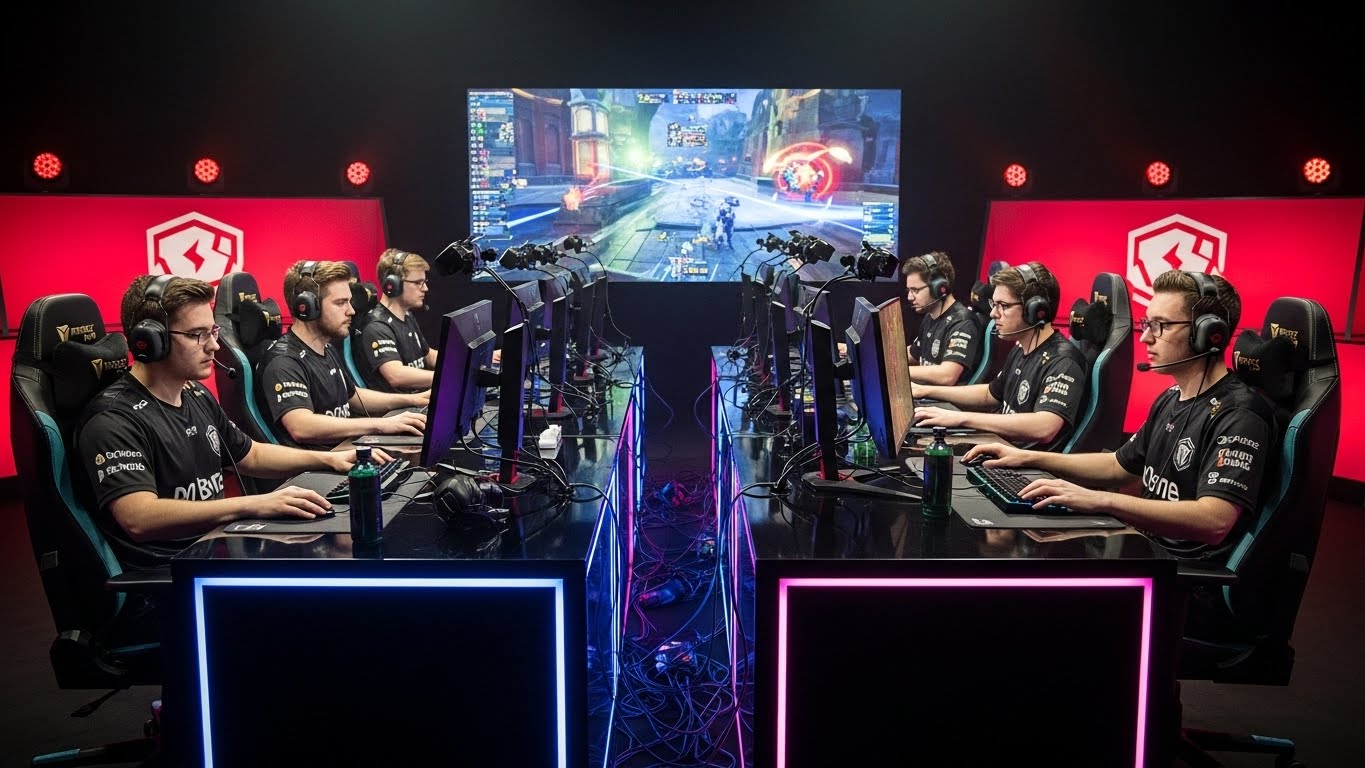
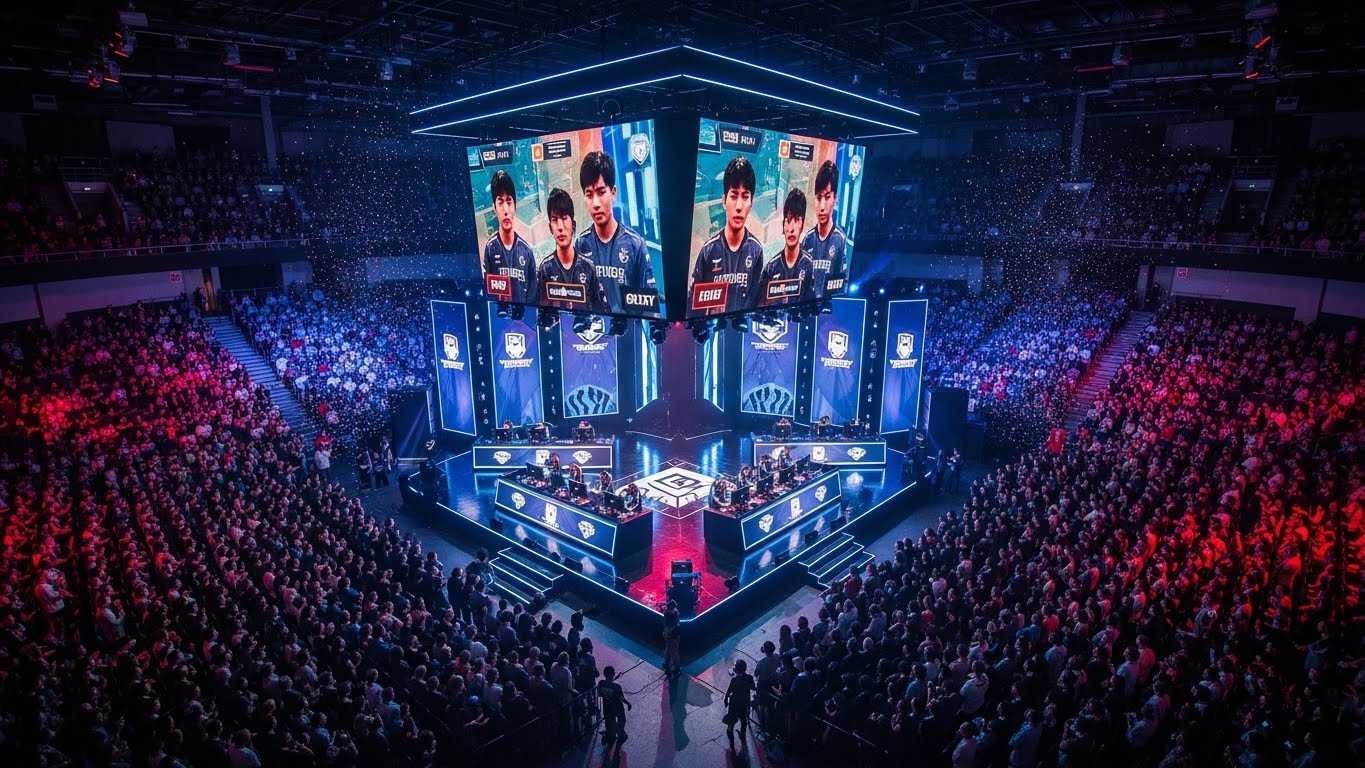
Esports has grown into a full-fledged professional industry, with structured leagues, sponsorships, and dedicated training programs. Professional players now train rigorously, following strict schedules, much like athletes in traditional sports. Teams have coaches, analysts, nutritionists, and psychologists to optimize performance. Major tournaments, such as international championships for games like League of Legends and Dota 2, offer multimillion-dollar prize pools, attracting global attention and fostering intense competition. The professionalization of esports has also created viable career paths for players, commentators, content creators, and event organizers.
The Physical and Mental Demands of Esports
Contrary to common misconceptions, esports requires significant physical and mental discipline. Players often spend hours practicing reaction times, hand-eye coordination, and precision. Mental focus, strategic thinking, and quick decision-making are critical in high-stakes matches. Professional gamers must manage stress, adapt to unpredictable situations, and maintain peak performance under pressure. Physical fitness, proper posture, and eye care are essential to prevent injuries such as repetitive strain and fatigue. The combination of mental agility and physical conditioning highlights esports as a demanding and multifaceted discipline.
The Social Impact of Esports
Esports has a profound social dimension, connecting players and fans worldwide. Online platforms allow individuals to form communities based on shared interests, creating friendships and collaborative networks across cultures. Local tournaments foster community engagement, offering spaces for gamers to interact face-to-face. Esports has also democratized competition; players from diverse backgrounds can compete on equal footing, breaking barriers related to geography, gender, and socioeconomic status. Through online collaboration, team play, and global competition, esports promotes communication, teamwork, and social cohesion.
Esports and Education
The influence of esports has extended into education, with schools and universities integrating competitive gaming programs into their curricula. Educational institutions offer scholarships, coaching, and facilities for esports teams, recognizing the strategic, technological, and cognitive skills developed through gaming. Participation in esports teaches critical thinking, problem-solving, leadership, and collaboration. It also opens opportunities for careers in game design, software development, media production, and digital marketing. By legitimizing esports within educational contexts, institutions help students balance passion with skill development and career preparation.
The Economic Impact of Esports
Esports is a major economic driver, generating revenue through tournaments, sponsorships, streaming, merchandise, and media rights. The industry supports thousands of jobs, from professional players and coaches to analysts, marketers, event planners, and content creators. Streaming platforms have monetized esports, allowing fans to engage through subscriptions, donations, and exclusive content. International events stimulate local economies by attracting tourism, media attention, and sponsorship deals. As esports continues to grow, it is projected to rival traditional sports in terms of revenue and global influence, solidifying its place as a lucrative and sustainable industry.
Esports as a Cultural Phenomenon
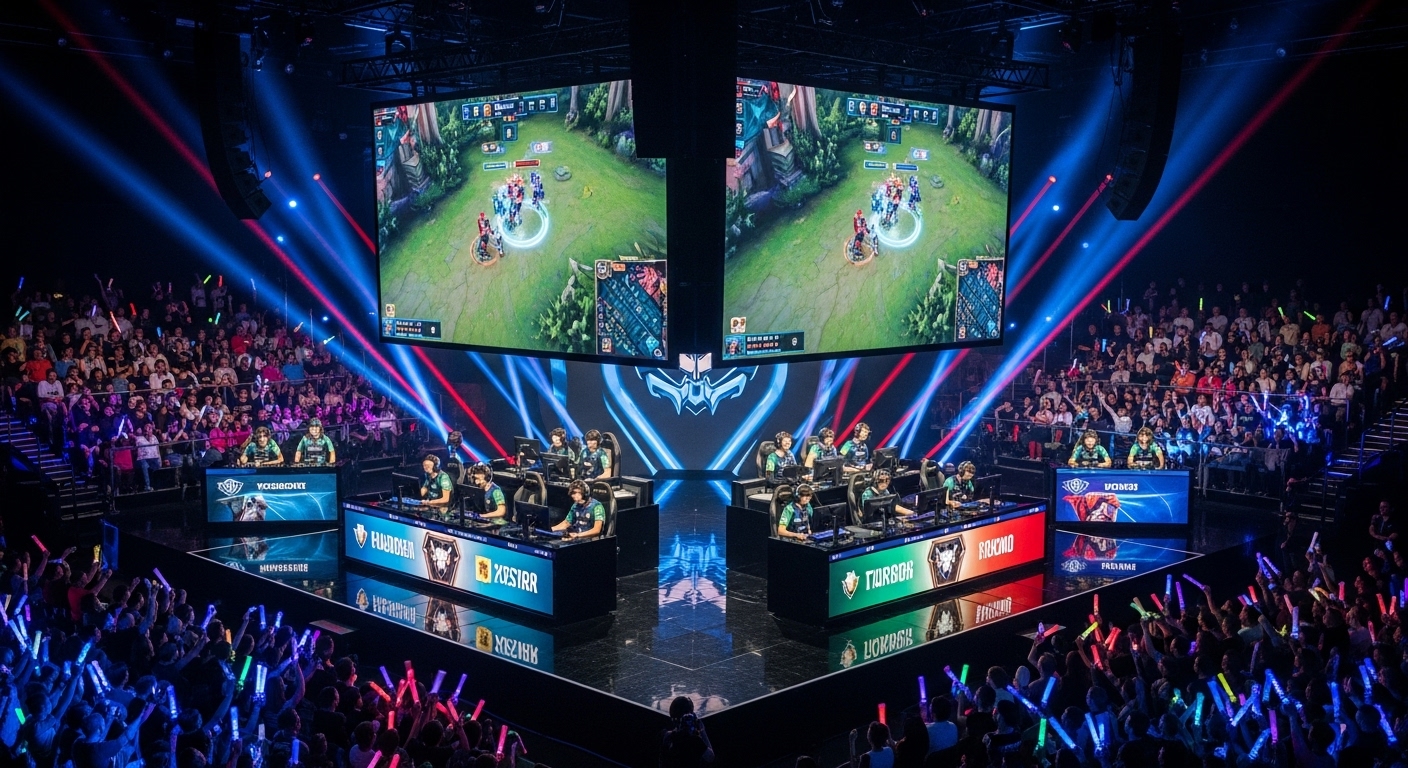
Esports has evolved beyond competition to become a cultural movement. Gaming conventions, live streams, and tournaments attract fans who celebrate the artistry, strategy, and spectacle of the medium. Esports influences music, fashion, entertainment, and social media trends, merging digital culture with mainstream media. Fans develop strong attachments to teams, players, and content creators, fostering loyalty and community. The cultural significance of esports is evident in its global reach, its role in shaping youth identity, and its ability to bring together diverse audiences in shared experiences.
The Role of Technology in Esports
Technology is at the core of esports. High-performance computers, gaming consoles, and advanced peripherals provide players with the tools needed for competitive performance. Streaming platforms and high-speed internet enable real-time global engagement, while analytics software allows teams to study strategies and improve gameplay. Virtual reality and augmented reality are emerging as new frontiers in esports, offering immersive experiences for players and spectators. Technology not only enhances performance but also connects communities, expands audiences, and drives innovation within the industry.
Women in Esports
While esports has traditionally been male-dominated, female participation is growing rapidly. Female gamers are breaking barriers, competing at high levels, and gaining recognition for their skill and dedication. Initiatives and tournaments aimed at promoting women in esports provide safe and supportive environments, encouraging inclusivity and diversity. Female representation in esports inspires younger generations and challenges stereotypes about gender and gaming. As more women enter competitive gaming, the esports ecosystem becomes richer, more diverse, and more reflective of a global community.
Esports and Mental Health
Mental health is an essential consideration in esports, as professional players face high stress, long hours, and public scrutiny. Organizations now prioritize mental wellness by providing counseling, stress management training, and mindfulness programs. Balancing practice with rest, maintaining social connections, and developing coping strategies are crucial for sustaining performance. Awareness of mental health within esports fosters healthier careers and encourages open discussion about psychological well-being among players, fans, and communities.
The Global Reach of Esports
Esports transcends borders and connects people worldwide. International tournaments attract players from every continent, and fans engage with content in multiple languages. Esports has become a unifying force, bringing together individuals from different cultures and backgrounds in a shared passion for gaming. National pride, team loyalty, and individual skill are celebrated globally, creating cross-cultural engagement. Esports demonstrates the potential of digital platforms to build global communities, foster understanding, and celebrate human creativity and competitiveness.
The Future of Esports
The future of esports is bright and expansive. Emerging technologies such as virtual reality, cloud gaming, and artificial intelligence will transform gameplay, viewing experiences, and player training. Increased investment, sponsorship, and media coverage will continue to professionalize the industry. Educational programs will nurture the next generation of players, developers, and analysts. As esports continues to integrate with mainstream culture, it will influence entertainment, technology, education, and social interaction. The potential for innovation, global connection, and cultural impact makes esports a defining phenomenon of the digital age.
Conclusion: Esports as a Defining Era
Esports is no longer a niche hobby; it is a transformative cultural and economic force. It demands skill, strategy, discipline, and teamwork while fostering global communities, inclusivity, and personal growth. The industry provides career opportunities, inspires creativity, and encourages technological innovation. Esports has redefined what competition looks like in the digital age, creating shared experiences that connect millions worldwide. As it continues to grow and evolve, esports will remain a powerful reflection of human potential, collaboration, and the enduring love of competition in a connected, digital world.