Introduction: Esports as a Cultural Phenomenon
In the last decade, esports has evolved from a niche hobby into a global cultural powerhouse. Once dismissed as mere video game play, competitive gaming now commands massive audiences, lucrative sponsorships, and professional careers. Esports is not just a form of entertainment; it represents a convergence of technology, talent, community, and business. The phenomenon transcends traditional sports by offering a digital arena where skill, strategy, and creativity intersect in real-time battles that captivate millions around the world.
The Origins of Competitive Gaming
Esports traces its roots back to the earliest arcade competitions and local video game tournaments of the 1980s and 1990s. Games like Street Fighter, StarCraft, and Counter-Strike laid the foundation for competitive gaming by providing structured rules and ranking systems. Initially, these events were small, often limited to local communities or gaming clubs. However, as the internet became widespread, the stage for esports expanded. Online multiplayer platforms allowed players to compete across cities and continents, setting the stage for the global esports ecosystem we see today.
The Growth of Esports as a Profession
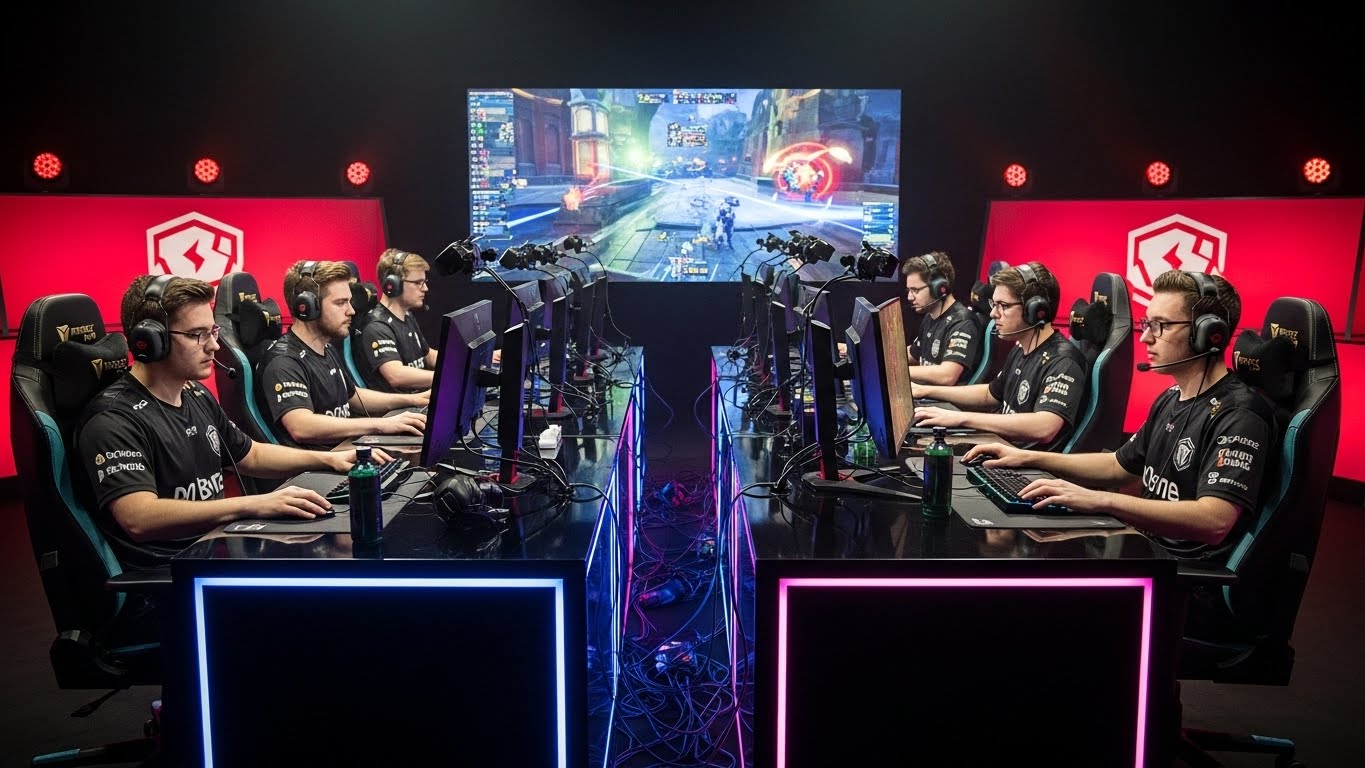
Today, esports is more than a pastime; it is a legitimate career path. Professional esports athletes earn salaries, receive sponsorships, and travel internationally to compete in tournaments with prize pools reaching millions of dollars. Teams are professionally managed, employing coaches, analysts, and content creators to optimize performance. This professionalization mirrors traditional sports while maintaining the unique appeal of digital interactivity. Unlike conventional athletes, esports professionals often build their personal brand directly through streaming platforms, social media, and fan engagement.
Popular Esports Games and Genres
The esports landscape is diverse, encompassing multiple genres and gameplay styles. Multiplayer Online Battle Arenas (MOBAs) like League of Legends and Dota 2 focus on teamwork, strategy, and real-time decision-making. First-Person Shooters (FPS) such as Counter-Strike: Global Offensive and Call of Duty test reflexes, precision, and tactical awareness. Fighting games, battle royales, and sports simulations each offer distinct experiences and attract unique audiences. This variety allows esports to cater to players and fans of all interests, creating a multifaceted ecosystem that continues to expand globally.
The Role of Streaming Platforms
Streaming platforms have revolutionized how esports reaches audiences. Platforms like Twitch and YouTube Gaming allow fans to watch live matches, interact with players, and participate in a digital community. Streaming also provides an avenue for aspiring gamers to gain visibility, build followings, and even monetize their gameplay. The combination of live interaction, entertainment, and education makes streaming a cornerstone of esports culture. Fans no longer just watch games—they become part of an interactive experience that connects them to players, teams, and fellow viewers.
Esports Tournaments: The New Sporting Events
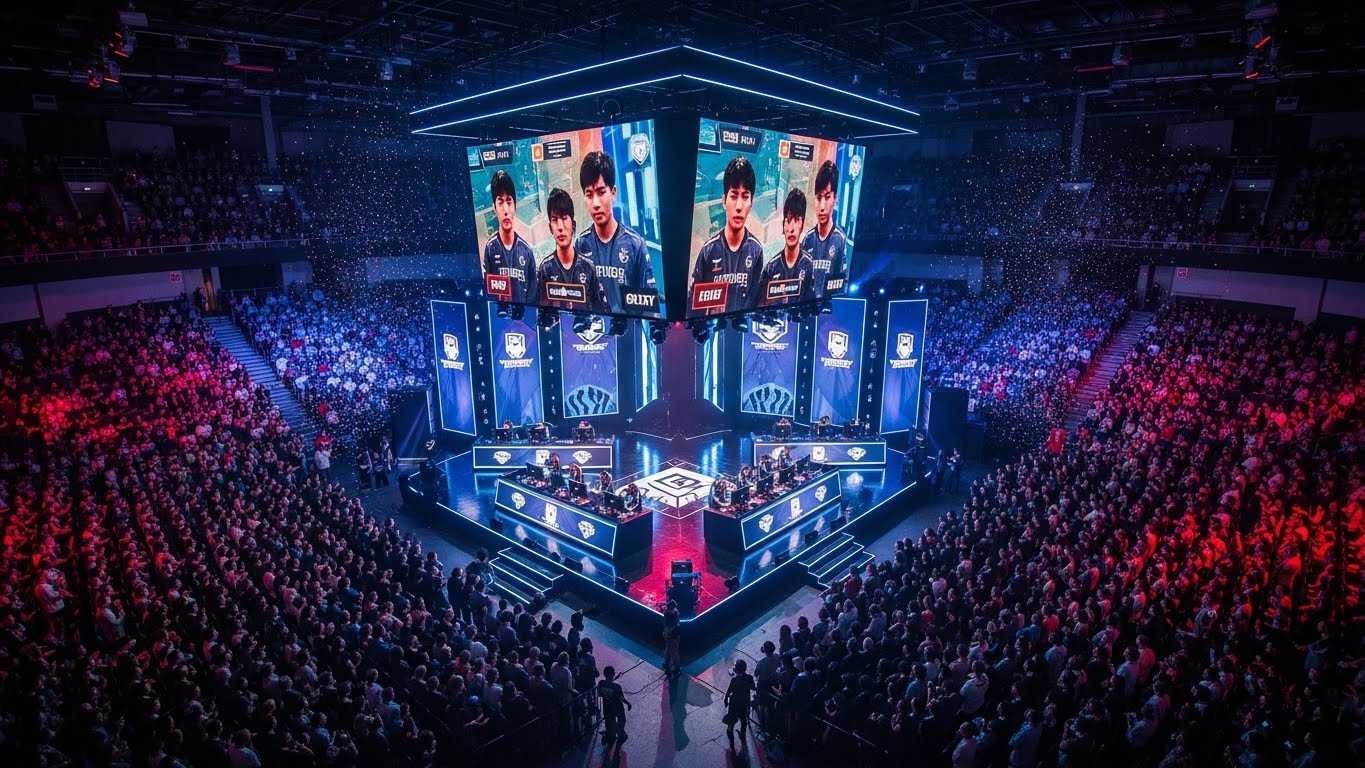
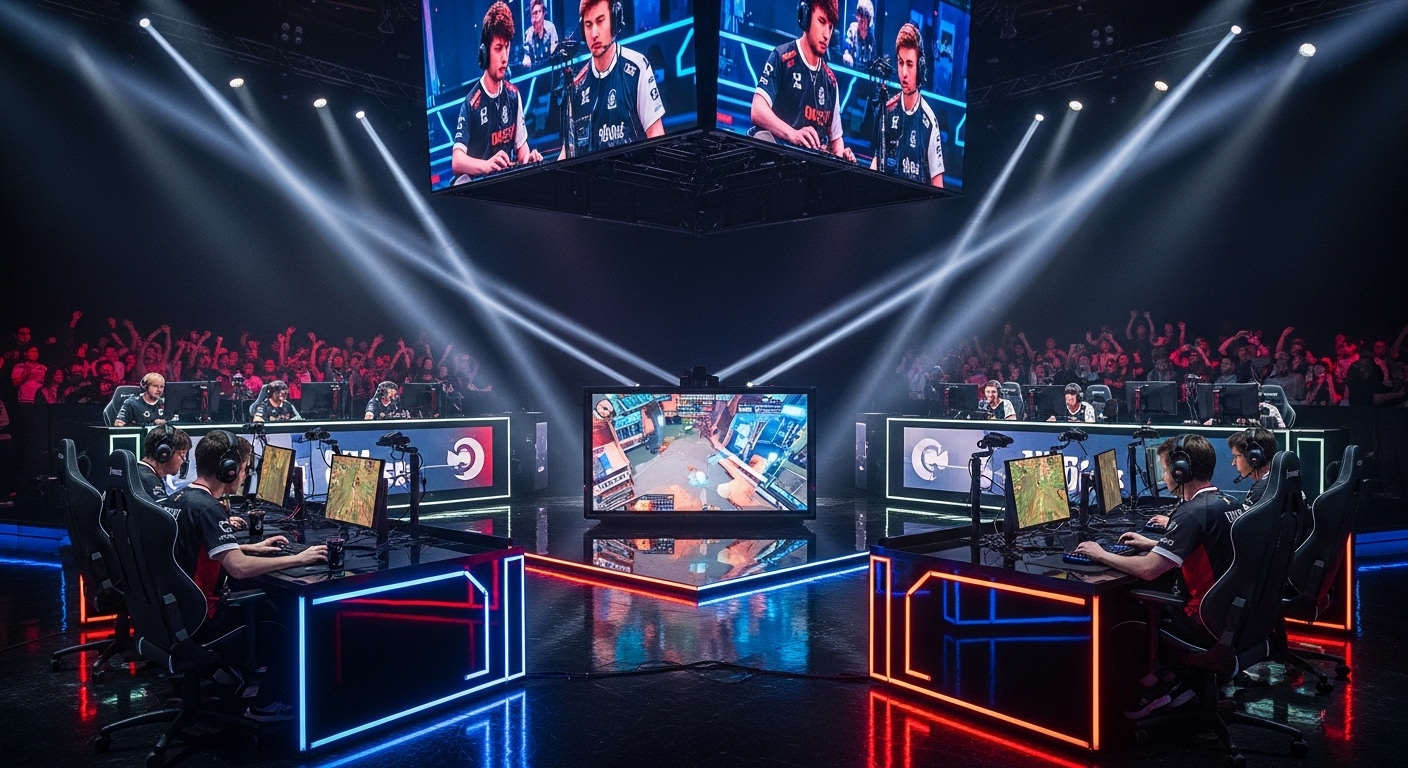
Major esports tournaments have grown into massive spectacles rivaling traditional sports events. Championships for games like League of Legends, Fortnite, and Dota 2 attract tens of thousands of live spectators, with millions more tuning in online. These events often feature elaborate stage setups, live commentary, and celebrity appearances, creating a festival-like atmosphere. Tournaments not only showcase top-tier talent but also celebrate the culture of gaming, bringing communities together and elevating esports to a level of mainstream recognition previously thought impossible.
The Economics of Esports
Esports is a booming industry with a complex economic ecosystem. Revenue comes from multiple sources, including sponsorships, advertising, merchandise sales, media rights, and ticketed events. Major brands invest heavily in esports marketing to reach younger, digitally native audiences who may be harder to engage through traditional advertising. Teams also benefit from franchise models similar to professional sports leagues, ensuring stable financial structures and long-term growth. With global revenue expected to increase continuously, esports is solidifying its place as a major entertainment industry.
The Global Impact of Esports
Esports is a worldwide phenomenon, transcending borders and cultures. Countries in Asia, particularly South Korea and China, have long been at the forefront of competitive gaming, cultivating professional leagues and dedicated training programs. In North America and Europe, esports has grown rapidly, with universities even offering scholarships for talented players. The global nature of esports promotes cultural exchange, connecting players and fans from diverse backgrounds. This interconnectedness also fosters innovation, as strategies, techniques, and gaming styles are shared and refined across the world.
The Community and Social Aspect of Esports
At the heart of esports is a thriving community. Fans, players, content creators, and organizations form interconnected networks that support and celebrate gaming culture. Online forums, social media, and Discord servers provide spaces for discussion, mentorship, and collaboration. Community tournaments and grassroots events help foster local talent while keeping engagement high. Esports communities are often inclusive, welcoming people of different ages, genders, and skill levels. This social aspect enhances the overall experience, making esports not just a form of entertainment but also a platform for connection.
Mental and Physical Demands of Esports
While esports may appear purely digital, professional gaming requires exceptional mental and physical discipline. Players must maintain peak focus, reaction times, and decision-making under pressure. Training regimens often include strategy review, mechanical skill practice, and team coordination exercises. Physical fitness, proper nutrition, and mental health care are increasingly recognized as essential components for sustained performance. The competitive nature of esports demands resilience, adaptability, and continuous learning, highlighting that esports athletes are serious professionals in every sense.
Women and Diversity in Esports
Historically, esports has been male-dominated, but efforts to increase diversity are gaining momentum. Female gamers, LGBTQ+ players, and underrepresented groups are gradually finding visibility and success in the esports arena. Organizations are actively promoting inclusivity through dedicated tournaments, community programs, and mentorship initiatives. Greater diversity not only enriches the competitive environment but also expands the audience base, making esports more representative of the global population. Inclusion is no longer an afterthought; it is becoming a core value within the industry.
Esports Education and Career Opportunities
Esports is no longer limited to playing games professionally. The industry offers diverse career paths, including event management, coaching, broadcasting, content creation, marketing, and game development. Universities and schools are increasingly incorporating esports programs into curricula, offering scholarships, and providing training in both gameplay and industry skills. This formal recognition validates esports as a legitimate field and ensures a new generation of professionals is equipped to contribute to its growth.
Technological Innovations Driving Esports
Esports thrives on technological innovation. High-speed internet, advanced gaming hardware, and streaming technology have made global competition accessible. Virtual reality, augmented reality, and artificial intelligence are poised to further transform gameplay and viewer experiences. Technology also enables detailed performance analytics, helping teams refine strategies and improve outcomes. As gaming technology evolves, esports will continue to push the boundaries of what is possible in digital entertainment.
Esports and Mainstream Recognition
Once a subculture, esports is now gaining mainstream recognition. Television networks broadcast major tournaments, celebrities invest in teams, and corporate sponsorships are widespread. Governments and sports organizations have begun recognizing esports as a legitimate competitive activity. The inclusion of esports in multi-sport events and discussions around its potential Olympic presence indicate its growing legitimacy. Mainstream acceptance ensures esports will continue to evolve as a respected, professional, and culturally significant pursuit.
The Future of Esports
The future of esports promises continued growth and innovation. As technology advances and audiences expand, esports will become increasingly immersive and interactive. Esports may integrate more closely with virtual and augmented reality, creating entirely new experiences for players and fans. The blending of gaming, entertainment, and social interaction will redefine how people connect, compete, and consume media. The industry’s trajectory suggests that esports is not a passing trend but a lasting pillar of modern culture.
Conclusion: Esports as a Defining Force in Digital Culture
Esports has emerged as one of the defining forces in contemporary entertainment. It combines skill, strategy, creativity, and community to create experiences that captivate millions worldwide. From humble beginnings in arcades and small tournaments to billion-dollar global franchises, esports has proven that digital competition can inspire passion, foster careers, and unite diverse audiences. As technology, culture, and innovation continue to shape its growth, esports is poised to remain an influential, dynamic, and transformative part of the digital era. The rise of esports is a testament to humanity’s desire to compete, connect, and be entertained in new and meaningful ways.