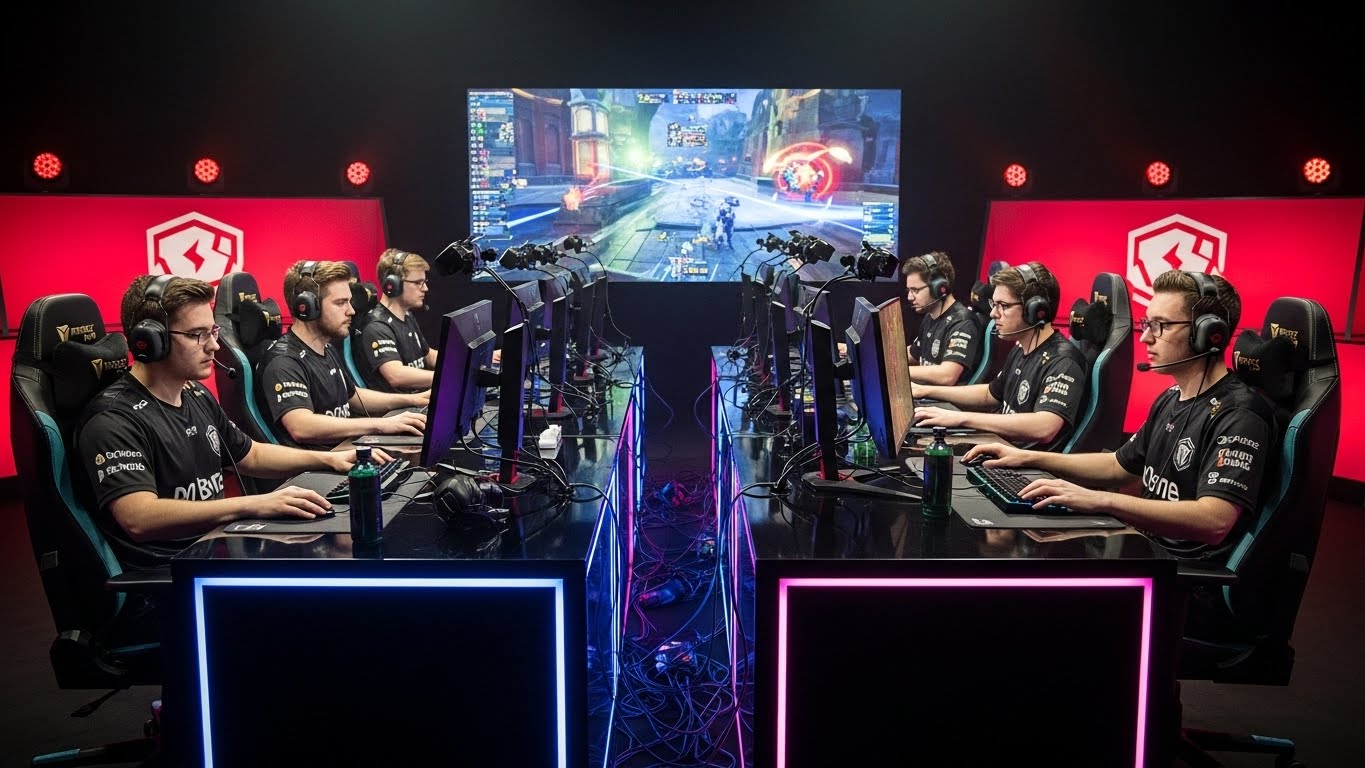
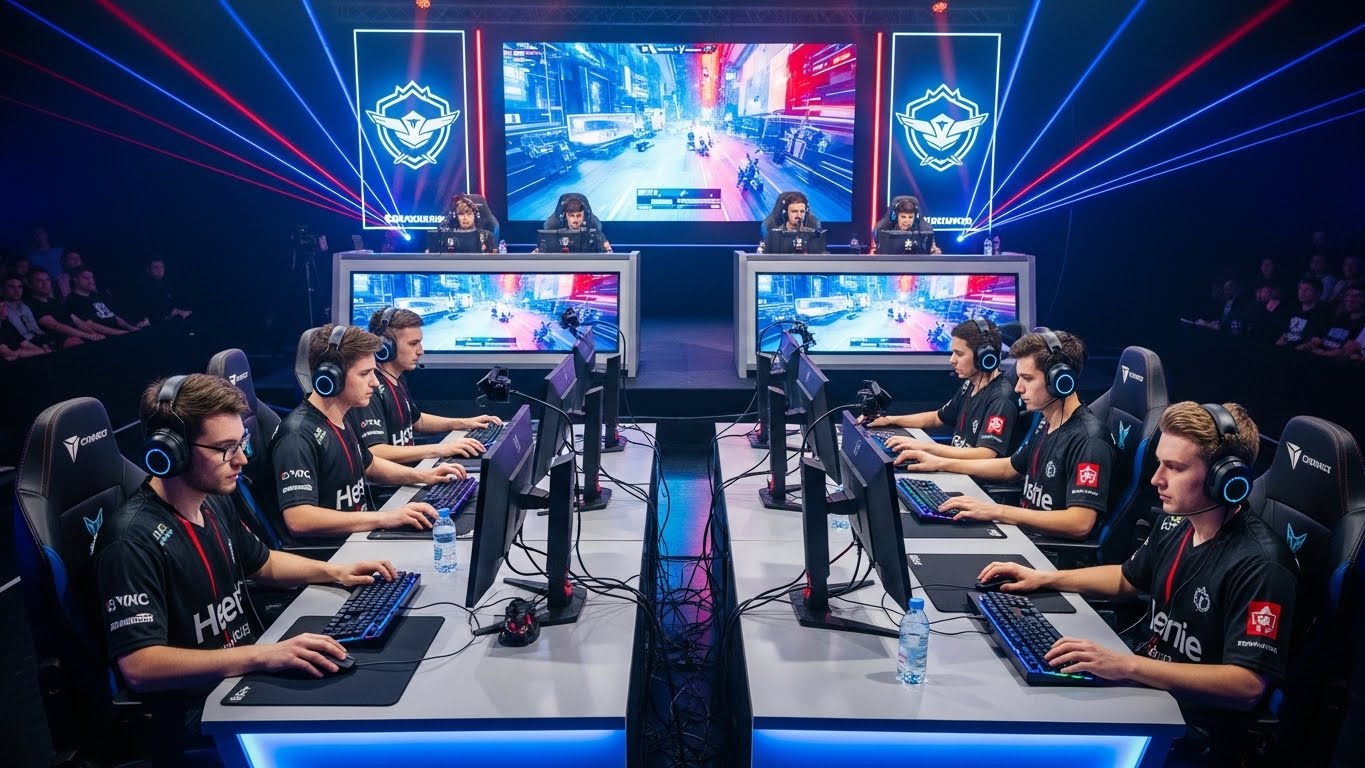
In the last two decades, esports has transformed from a niche hobby into a global industry worth billions of dollars, with millions of fans, professional players, and major tournaments. What began as casual competitions between friends in arcade halls or living rooms has evolved into a professional, organized, and highly lucrative arena, complete with sponsorships, broadcasting rights, and global fanbases. Today, esports is not just about playing video games; it’s about high-level competition, entertainment, and business.
In this blog post, we will explore how esports grew from humble beginnings to become a cultural juggernaut, analyze the factors behind its rapid growth, and examine its far-reaching impact on the gaming community and beyond. Whether you’re a casual gamer or an esports enthusiast, understanding the rise of this digital sport is key to grasping the future of gaming and entertainment.
The Origins of Esports: A Community of Gamers
The roots of esports can be traced back to the early days of video gaming itself. In the 1970s and 1980s, arcades were the gathering spots for gamers, and competitions were often informal events between players trying to set the highest score or prove their skills. Games like Pong, Space Invaders, and Pac-Man laid the foundation for gaming culture. However, these early competitions lacked organization or the kind of infrastructure needed for professional esports to emerge.
One of the first examples of organized competitive gaming took place in 1972 with the Space Invaders Championship, which is considered by many to be the first large-scale esports event. This marked the first glimpse of the potential for competitive gaming, but it would take more than two decades for the esports industry to truly take shape.
The late 1990s saw the rise of online gaming platforms that allowed people to compete with others across the globe, and the dawn of real-time multiplayer games created the perfect environment for competitive gaming to flourish. Games like Quake, StarCraft, and Warcraft attracted large online player bases and sparked the first organized tournaments. These early competitions, often broadcast on local TV channels or through community-run events, were small compared to today’s global tournaments, but they laid the groundwork for what was to come.
The Early 2000s: The Birth of Modern Esports
As broadband internet access became more widespread in the early 2000s, online gaming exploded in popularity. This era saw the rise of games that would become foundational in esports, such as Counter-Strike, Warcraft III, and StarCraft: Brood War. These games had large player bases and competitive multiplayer modes, offering opportunities for players to compete at a high level. However, while esports existed in various forms, it was still largely fragmented and informal.
The turn of the century also saw the creation of dedicated esports organizations, tournaments, and leagues. One of the first significant milestones in this period was the formation of Major League Gaming (MLG) in 2002, which was established in North America as a tournament organizer for competitive gaming. MLG helped formalize esports competition, hosting tournaments with larger prize pools and more professional organization. It played a crucial role in bringing esports to a wider audience, but it was still very much a niche industry at the time.
Around the same period, in South Korea, StarCraft: Brood War gained immense popularity, and the country became a hotspot for esports. Korean broadcasters began airing esports tournaments on national television, and the Korean e-Sports Association (KeSPA) was founded in 2000. This was a pivotal moment in the development of esports, as South Korea became a global leader in competitive gaming. Professional StarCraft players, known as “pro gamers,” began to rise to stardom, becoming celebrities with large fanbases and earning substantial prize money.
2000s to 2010s: The Global Expansion of Esports
The 2010s marked the true explosion of esports into the mainstream. With the rise of live-streaming platforms like Twitch (founded in 2011), esports became more accessible than ever. Players no longer had to attend physical tournaments to participate or watch; they could now stream their gameplay and watch others from the comfort of their own homes. This democratization of access allowed the esports community to grow exponentially, with millions of viewers tuning in to watch top-tier players compete.
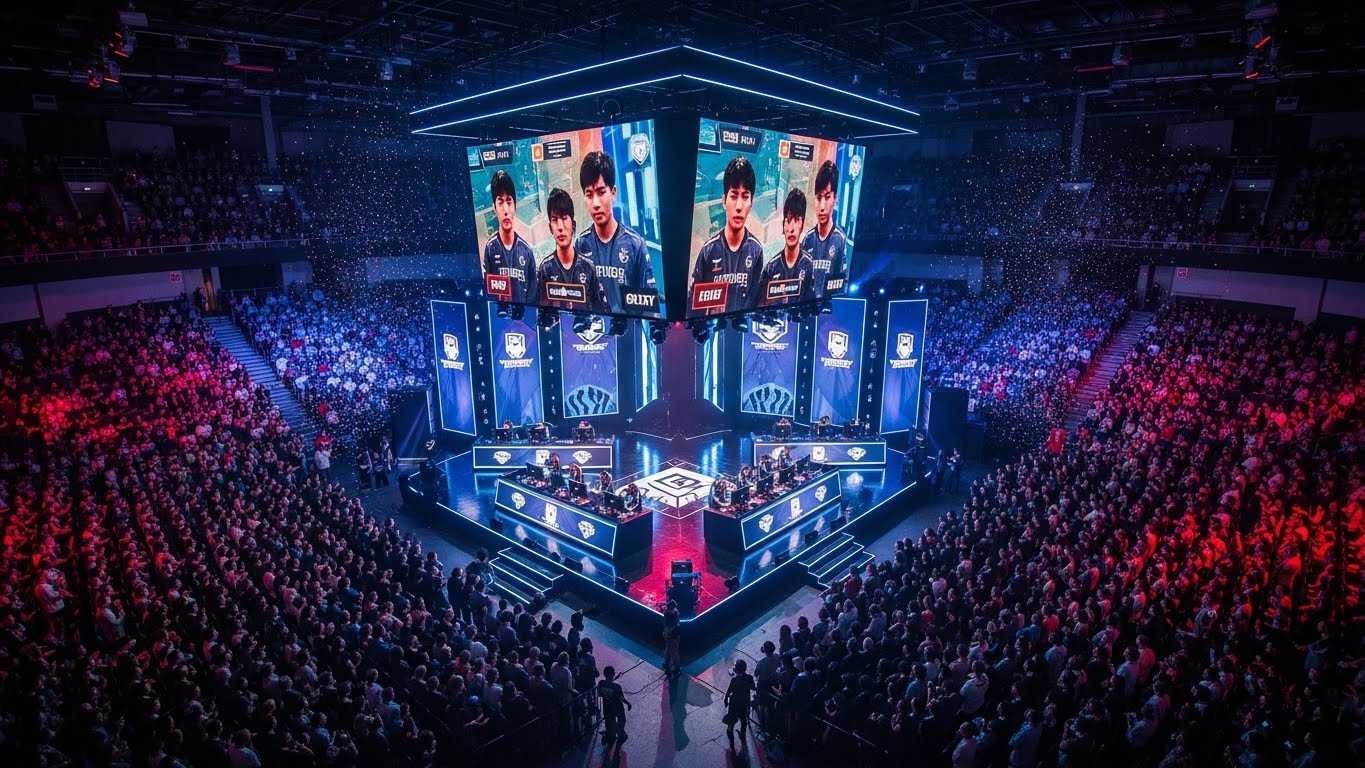
Several key events during this period helped elevate esports to a global phenomenon. One of the most significant was the League of Legends World Championship. Launched in 2011 by Riot Games, League of Legends (LoL) quickly became one of the most popular esports titles, with its annual World Championship drawing millions of viewers from around the world. The 2013 LoL World Championship, held in the Staples Center in Los Angeles, was the first esports event to be held in an arena typically reserved for major sports events, marking a shift towards recognizing esports as a legitimate form of entertainment.
As the popularity of esports grew, so did its financial potential. Sponsors, advertisers, and media companies began to see esports as a valuable business opportunity. Major brands like Coca-Cola, Intel, and Red Bull began to invest in esports tournaments and teams. The prize pools for tournaments also grew, with major events offering millions of dollars in rewards. The International, the world championship for Dota 2 (another highly popular esports title), set records for the largest prize pool in esports history, reaching over $40 million in 2018.
In addition to corporate sponsorships, esports gained traction through media partnerships. Traditional broadcasters like ESPN and Turner Broadcasting began airing esports events, and companies like Blizzard Entertainment and Riot Games started creating their own streaming platforms to broadcast tournaments live. This media push further solidified esports as an entertainment industry and made it more visible to the general public.
Esports Today: A Multi-Billion-Dollar Industry
By the late 2010s and early 2020s, esports had firmly established itself as a multi-billion-dollar industry. The global esports market was valued at over $1 billion in 2020 and is projected to grow even further in the coming years. With major sponsorships, advertising, media rights, and merchandising driving revenue, esports is now recognized alongside traditional sports in terms of market potential and audience engagement.
Esports tournaments are now held in massive arenas with thousands of fans in attendance, and they are streamed online to millions of viewers. Games like League of Legends, Counter-Strike: Global Offensive, Fortnite, Overwatch, Dota 2, and Valorant dominate the esports scene, with professional teams and players representing organizations from around the globe. The players themselves have become celebrities, earning substantial salaries from tournament winnings, sponsorships, and streaming revenues.
One of the most significant aspects of modern esports is its global appeal. Unlike traditional sports, which are often confined to specific regions or countries, esports is a truly international phenomenon. Major esports tournaments attract viewers from every corner of the globe, and professional teams often feature players from multiple countries. The rise of regional leagues—such as the League of Legends Championship Series (LCS) in North America, the League of Legends European Championship (LEC), and the Overwatch League—has further fueled the global nature of esports, with teams representing major cities and countries.
Esports as Entertainment: Bridging the Gap with Traditional Sports
While esports may have started as a subculture, it has now transcended gaming circles to become a major form of entertainment. Esports events are increasingly being broadcast on traditional sports networks like ESPN and TBS, and esports athletes are now being treated with the same level of respect and recognition as traditional athletes. In fact, many esports players train just as intensively as professional athletes, dedicating hours each day to perfecting their skills and strategies.
What sets esports apart from traditional sports, however, is its unique accessibility. Esports events can be watched from anywhere in the world with an internet connection, and players can participate without the need for physical arenas or equipment. This accessibility makes esports more inclusive, allowing anyone with a computer or gaming console to become a part of the action, whether as a player or a spectator.
The parallels between esports and traditional sports are becoming more apparent. Just as in traditional sports, esports has its own set of rules, governing bodies, and professional leagues. Major tournaments are held regularly, with players and teams competing for sponsorships, fame, and lucrative prizes. Some esports events have even begun to feature live commentary and analysis, much like the sports broadcasts we see on TV. This growing integration of esports with traditional sports media highlights its rise as a legitimate form of entertainment.
The Future of Esports: Innovation and Growth
Looking ahead, the future of esports seems brighter than ever. The industry is continuing to evolve, with new technologies and innovations shaping the way esports events are experienced. Virtual and augmented reality, for instance, could transform how fans interact with esports, providing new ways to watch and engage with tournaments. Esports arenas are also being designed with cutting-edge technology to enhance the spectator experience, incorporating high-definition displays, immersive sound systems, and interactive features.
In addition, esports is increasingly being recognized as a viable career path. As the industry grows, more opportunities for players, coaches, analysts, content creators, and event organizers are emerging. Universities and colleges have even started offering esports scholarships and degrees, further legitimizing esports as a professional pursuit.