Introduction: Entering the World of Esports
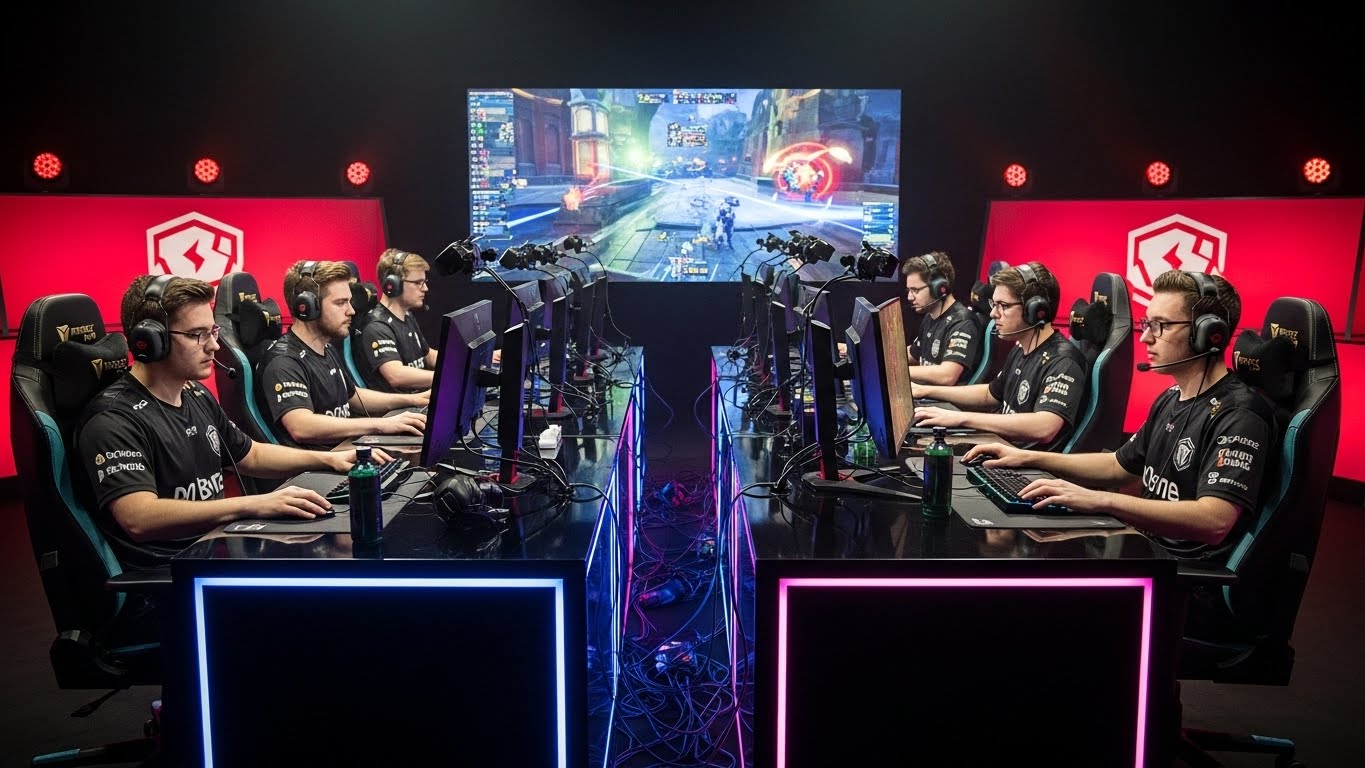
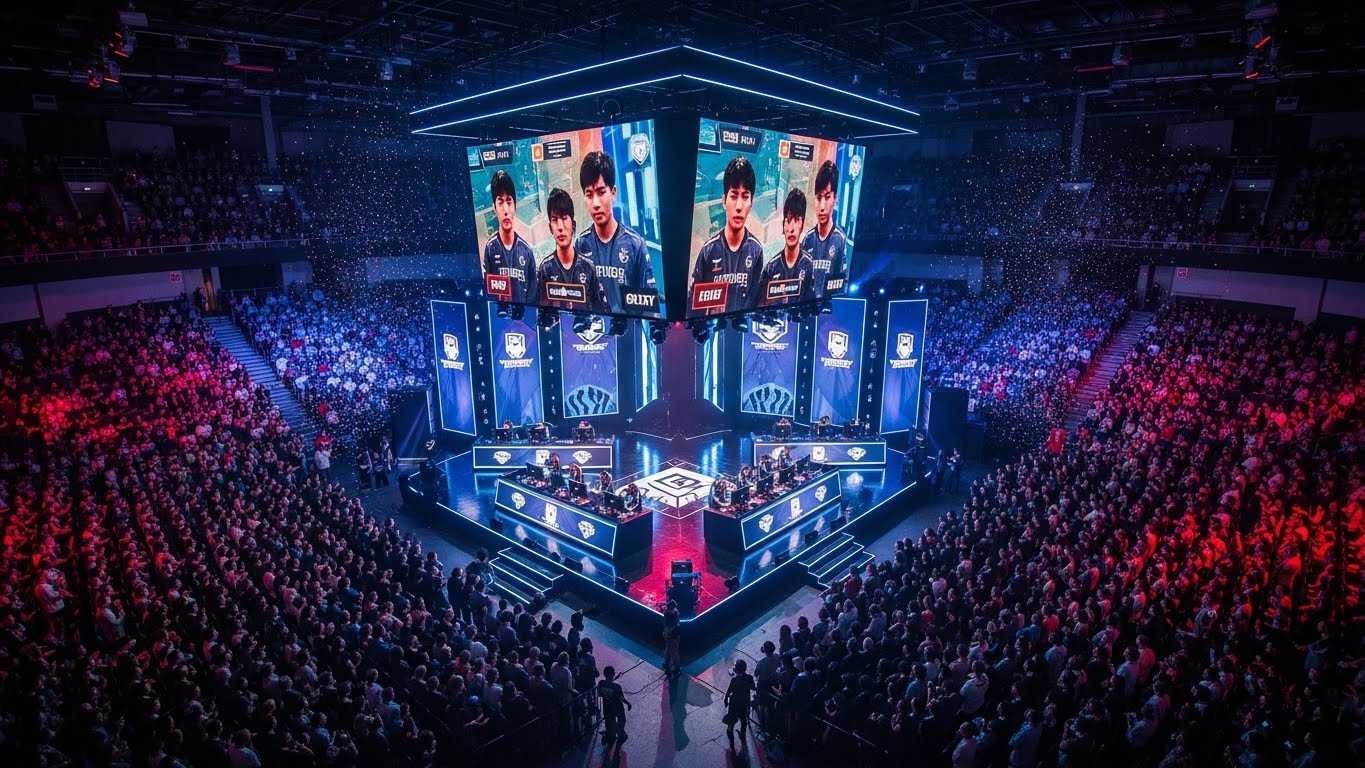
In the past decade, esports has transformed from a niche hobby into a global phenomenon, captivating millions of players and spectators worldwide. Competitive video gaming, once dismissed as mere entertainment, has become a legitimate sport with professional leagues, sponsorships, and international tournaments. The esports industry now rivals traditional sports in popularity, creating opportunities for players, content creators, and entrepreneurs alike. This blog explores the growth of esports, its impact on players and society, and the unique dynamics that make it one of the fastest-growing entertainment sectors in the world.
The Evolution of Esports
Esports has a surprisingly rich history, beginning with simple arcade competitions and early multiplayer games in the 1980s and 1990s. Titles like Space Invaders and Street Fighter laid the groundwork for competitive gaming communities. The launch of the internet and multiplayer online games accelerated esports’ growth, allowing players to compete across cities, countries, and eventually continents. Games like StarCraft, Counter-Strike, and League of Legends became global sensations, with tournaments drawing thousands of live attendees and millions of online viewers. The professionalization of esports began in earnest in the 2010s, as organizations, teams, and players received formal recognition, sponsorship deals, and dedicated training facilities.
The Structure of Competitive Esports
Esports tournaments vary widely in format, game type, and prize distribution. Popular genres include multiplayer online battle arenas, first-person shooters, real-time strategy games, and sports simulations. Teams and individual players compete in leagues, regional qualifiers, and international championships. Esports organizations manage professional players, providing coaching, health support, and logistical assistance to ensure peak performance. Unlike traditional sports, esports tournaments can be entirely digital, allowing global participation without geographical limitations. This structure has accelerated the industry’s growth and democratized access to competitive gaming.
Esports and Skill Development
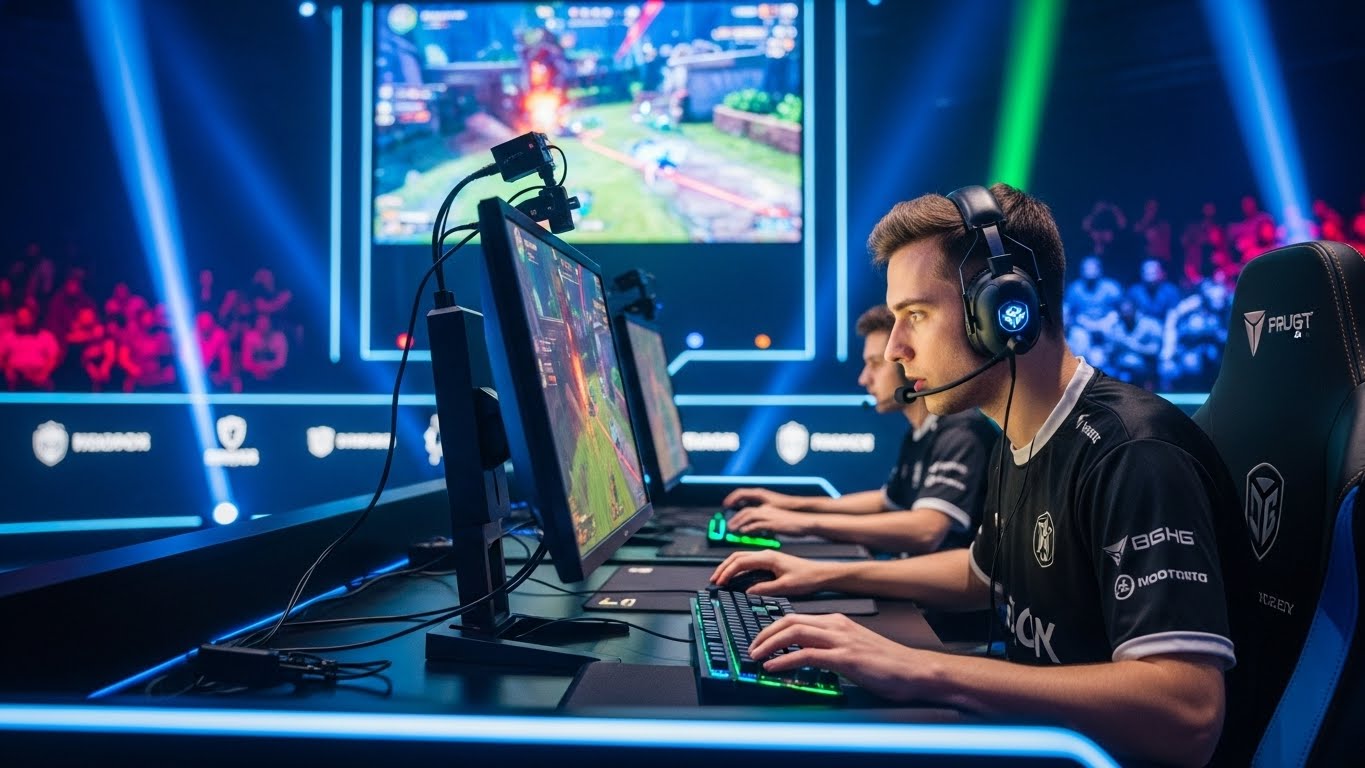
Competitive gaming requires an impressive array of skills, including quick reflexes, strategic thinking, teamwork, and mental endurance. Players often train for hours each day, analyzing gameplay footage, practicing mechanics, and developing strategies to outperform opponents. Beyond physical dexterity, esports cultivates problem-solving abilities and adaptability, as players must make split-second decisions in high-pressure situations. For younger gamers, participating in esports can improve concentration, multitasking, and decision-making, while also fostering a sense of discipline and persistence.
The Social Impact of Esports
Esports has created a unique social ecosystem that connects players, fans, and communities worldwide. Online streaming platforms allow fans to follow their favorite players and teams in real time, creating interactive experiences that traditional sports cannot always match. Communities form around specific games, tournaments, or personalities, fostering friendships and collaborations across cultures. For many, esports is not only entertainment but also a platform for social engagement, mentorship, and identity formation. These communities can be supportive and inclusive, although they sometimes face challenges related to toxicity and harassment.
Economic Significance of Esports
The esports industry is a multi-billion-dollar market, encompassing tournaments, sponsorships, merchandise, streaming, and media rights. Organizations earn revenue from team sponsorships, advertising, event hosting, and media licensing, while players receive salaries, prize money, and endorsement deals. Esports has also spurred growth in peripheral industries such as gaming hardware, software development, and content creation. The financial success of esports demonstrates its viability as a professional career path and highlights its influence on the global entertainment economy.
Esports as a Career
Professional esports players, coaches, analysts, and content creators have transformed gaming into a viable career. Players often start young, dedicating significant time to mastering game mechanics and strategy. Successful esports careers require not only technical skill but also mental resilience, adaptability, and teamwork. Coaches and analysts support players by developing game strategies, reviewing gameplay footage, and providing feedback to enhance performance. Content creators expand the industry’s reach by streaming games, producing tutorials, and engaging with fans. As the ecosystem grows, new opportunities emerge for careers in event management, broadcasting, marketing, and game development.
The Global Reach of Esports
Esports is a truly global phenomenon, with major tournaments held in North America, Europe, Asia, and beyond. Games like Dota 2, Fortnite, and Call of Duty have competitive scenes in multiple continents, allowing players from diverse backgrounds to compete at the highest levels. International tournaments attract millions of online viewers and extensive media coverage, elevating esports to mainstream entertainment. The global reach also promotes cultural exchange and collaboration, as players, fans, and organizations connect across borders while sharing strategies, experiences, and fan communities.
The Role of Technology in Esports
Technology is at the heart of esports, driving both gameplay and spectator experiences. High-speed internet, advanced gaming hardware, and digital platforms enable seamless competition across continents. Streaming platforms and content-sharing tools allow fans to watch live matches, interact with players, and participate in online communities. Data analytics and artificial intelligence support player training and performance evaluation, while virtual reality and augmented reality technologies are beginning to shape the next generation of competitive gaming. The synergy between esports and technology underscores the innovation and creativity that define the industry.
Health and Wellness in Esports
While esports emphasizes mental agility and skill, physical and mental wellness are critical for sustainable performance. Professional players face challenges such as long hours of gameplay, repetitive strain injuries, and mental fatigue. Organizations increasingly provide support systems including physical training, ergonomic setups, nutrition plans, and psychological counseling to maintain overall well-being. Awareness of health and wellness in esports highlights the importance of balancing competitive demands with lifestyle management, ensuring players can perform at peak levels without compromising their long-term health.
Esports and Education
Esports has found a foothold in educational settings, with schools and universities establishing competitive gaming programs. These programs promote teamwork, strategic thinking, and digital literacy, offering students a unique avenue to develop transferable skills. Scholarships and esports curricula also provide professional pathways for talented players. Additionally, integrating esports into education encourages students to engage with technology responsibly, enhances problem-solving skills, and fosters community through collaborative gaming experiences. Education and esports together demonstrate that gaming can be both entertaining and enriching.
Challenges Facing the Esports Industry
Despite its rapid growth, esports faces several challenges. Regulatory issues, player exploitation, cheating, and unequal access to resources can threaten the integrity of competition. Toxic behavior within gaming communities can impact mental health and discourage participation, while the intense demands of professional play may contribute to burnout. Ensuring diversity and inclusion within esports is also an ongoing concern, as gender and socioeconomic disparities persist. Addressing these challenges requires collaboration between developers, organizations, players, and regulators to promote ethical standards, fair competition, and safe, inclusive environments.
The Future of Esports
The future of esports is full of potential and innovation. Emerging technologies such as virtual reality, cloud gaming, and AI-driven training tools are poised to reshape the competitive landscape. Expansion into untapped markets and the continued integration of esports with traditional sports will further enhance its visibility and legitimacy. As esports continues to evolve, it will likely influence broader entertainment, technology, and educational sectors, solidifying its position as a major cultural and economic force. The industry’s trajectory suggests that esports will remain a key driver of digital entertainment for years to come.
Conclusion: More Than Just a Game
Esports is no longer simply a pastime or hobby; it is a cultural, economic, and social phenomenon redefining competition in the digital age. Beyond thrilling matches and impressive gameplay, esports fosters skills, careers, and global communities. It provides opportunities for personal development, social connection, and professional growth, while inspiring innovation and technological advancement. As esports continues to expand its reach and influence, it is clear that competitive gaming has become a legitimate, transformative force in society. Engaging with esports, whether as a player, fan, or industry professional, offers experiences that extend far beyond the screen, shaping the future of digital competition and entertainment.