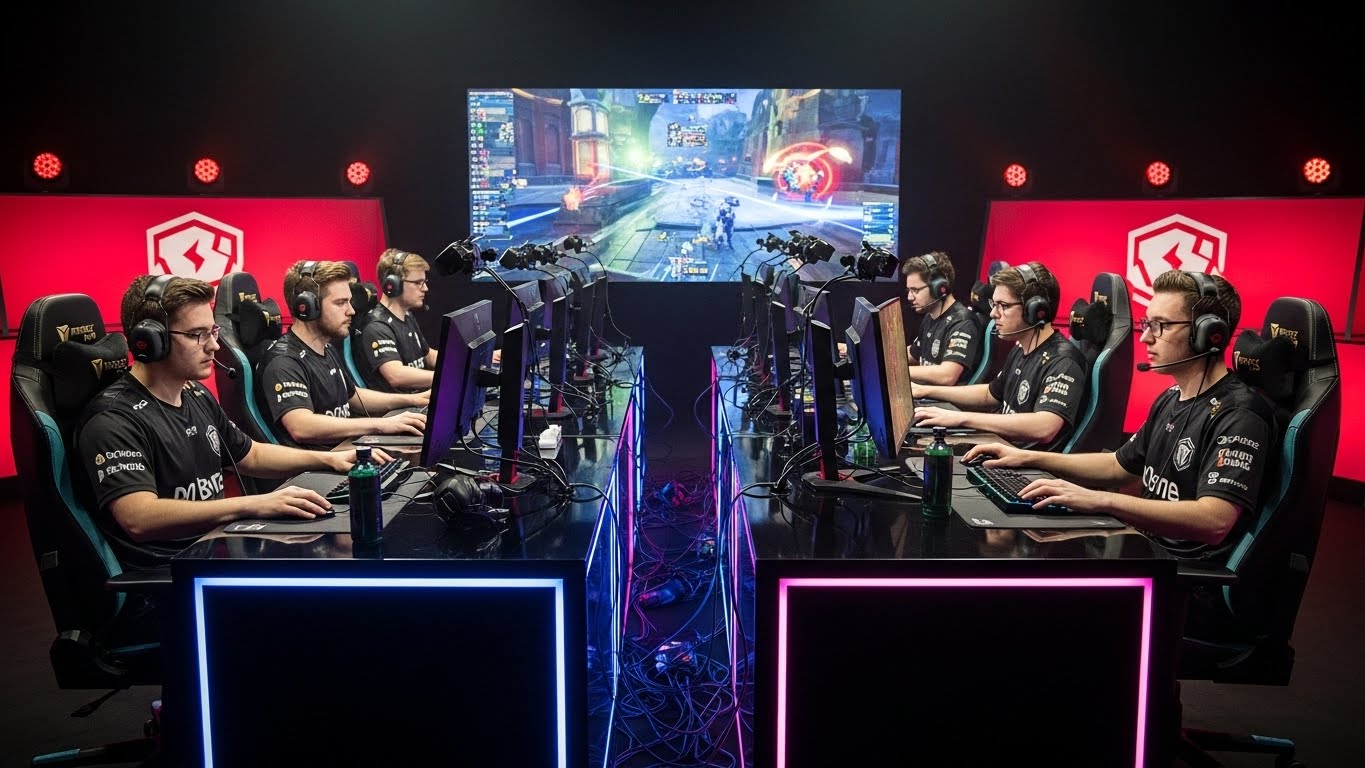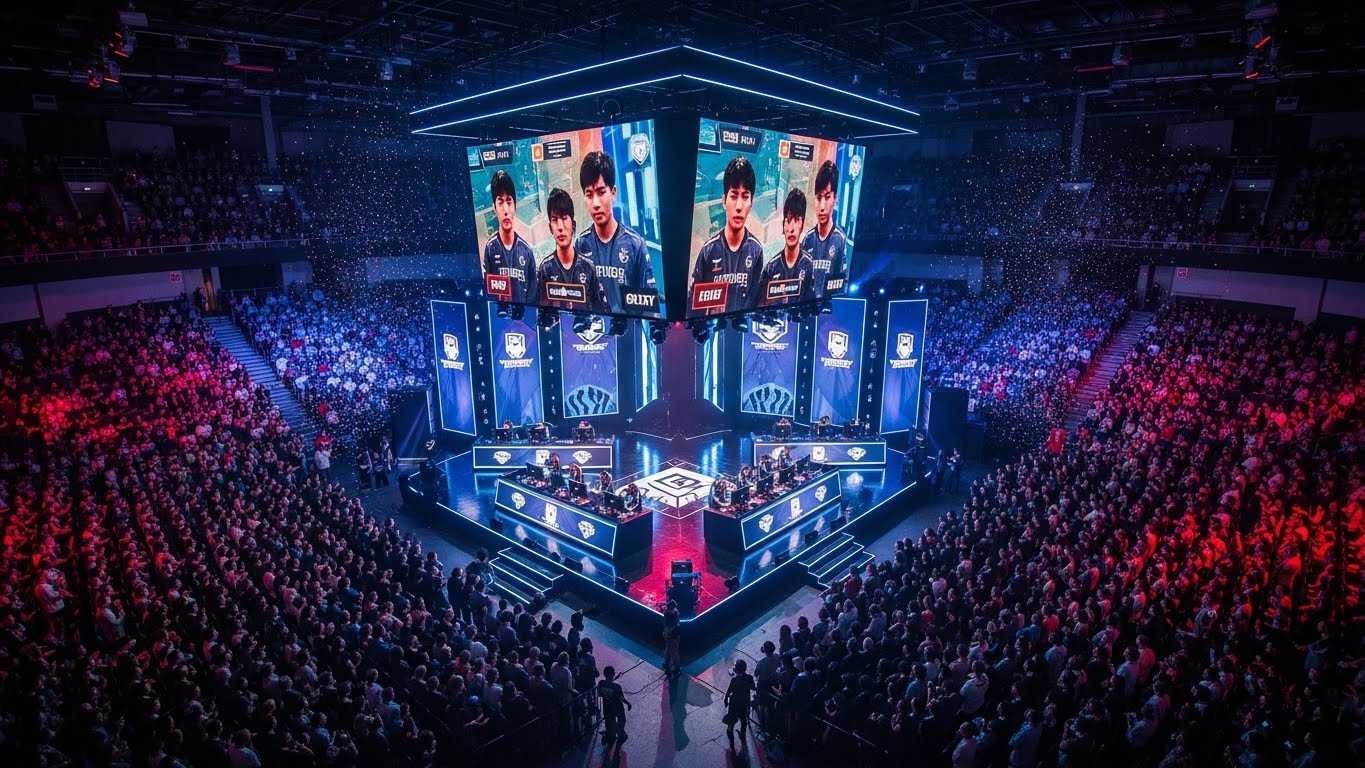

Esports is no longer a niche hobby practiced by a small group of enthusiasts. What started as local gaming competitions has blossomed into a global phenomenon that has reshaped how people view sports, entertainment, and competition. Competitive gaming now occupies a central role in the global entertainment industry, attracting millions of viewers, sponsors, and players from all over the world. This shift represents more than just a change in how we spend our free time—it’s a cultural transformation that is changing the way we perceive sports in the 21st century. This blog post explores the rise of esports, its impact on the gaming world, and what the future holds for competitive gaming.
The Humble Beginnings of Esports
Esports, or electronic sports, has its roots in the early days of video gaming. In the 1990s, the concept of competitive gaming was largely informal, with players gathering in arcades or at LAN (local area network) parties to compete against one another. These were mostly small, community-driven events, but they laid the groundwork for what would become a massive industry.
The first major shift came in the late 1990s and early 2000s, when broadband internet became more accessible, allowing players to compete against each other online rather than in person. Games like StarCraft, Warcraft III, and Quake saw their player bases grow exponentially, and organized online tournaments began to take shape. The formation of organizations such as the Electronic Sports League (ESL) in 2000 and Major League Gaming (MLG) in 2002 helped to formalize esports competitions and provide a platform for professional gamers.
These early events were still largely regional, but the potential for global competition was clear. By the mid-2000s, esports had evolved from a grassroots movement to an industry with organized leagues, sponsorships, and dedicated fan bases. The advent of platforms like Twitch in the early 2010s took esports to a new level, allowing fans from all over the world to watch tournaments in real-time from the comfort of their homes.
The Rise of Streaming Platforms: A Game-Changer for Esports
One of the most significant factors behind the rapid growth of esports has been the rise of streaming platforms, particularly Twitch. Launched in 2011, Twitch revolutionized the way people consumed esports content. For the first time, viewers could watch live broadcasts of major tournaments, engage with their favorite players through live chat, and follow the day-to-day activities of professional gamers.
Streaming also gave rise to an entirely new category of influencers—content creators who built massive followings by streaming their gaming sessions, offering commentary, and interacting with their communities. These content creators have become celebrities in their own right, with millions of followers across various platforms. As esports tournaments increasingly moved to streaming platforms, viewers were able to interact with their favorite players, teams, and commentators in ways that were never possible before.
Beyond Twitch, other platforms like YouTube Gaming, Facebook Gaming, and even platforms like Discord have further cemented esports’ position in the digital world. The accessibility and interactivity provided by these platforms have allowed esports to transcend traditional broadcasting, creating a more dynamic relationship between fans, players, and event organizers.
Esports Games That Shaped the Industry
While there are countless games that have contributed to the esports scene, a few key titles have defined the competitive gaming landscape. These games not only introduced innovative mechanics but also created thriving esports ecosystems that attract millions of viewers and players.
League of Legends
Perhaps the most influential title in the world of esports is League of Legends (LoL), developed by Riot Games. Released in 2009, LoL became the cornerstone of competitive gaming. The game’s blend of strategy, skill, and teamwork helped it grow into a multi-billion-dollar franchise. Its flagship event, the League of Legends World Championship (also known as Worlds), draws millions of viewers annually and boasts prize pools that rival those of traditional sports events.
LoL has also helped create a professional esports structure with regional leagues, such as the North American League of Legends Championship Series (NALCS), the European League of Legends Championship Series (LEC), and the Korean League of Legends Champions Korea (LCK). These leagues have created opportunities for players to go professional, and the game has spawned a massive fan base that supports the teams, players, and tournaments.
Dota 2
Another giant in the esports world is Dota 2, developed by Valve Corporation. Released in 2013, Dota 2 is one of the most strategically complex games in esports, known for its deep gameplay mechanics and steep learning curve. What sets Dota 2 apart is its incredible prize pool, particularly for its annual tournament, The International. The prize pool for The International has broken records several times, often exceeding $30 million, thanks to crowdfunding efforts from the community. This massive prize pool has helped draw in some of the best players in the world and has solidified Dota 2’s position as one of the premier esports titles.
Counter-Strike: Global Offensive
Counter-Strike: Global Offensive (CS:GO) is one of the most enduring first-person shooters in esports history. Released in 2012 by Valve, CS:GO continues to be one of the most popular competitive games in the world, thanks to its tactical gameplay and focus on teamwork. The CS:GO Major Championships are the pinnacle of competitive Counter-Strike and attract millions of viewers. The game has become synonymous with high-level, tactical shooters and is a central figure in esports.
Fortnite
While not a traditional esports title, Fortnite has made a significant impact on the industry. Released in 2017, Fortnite became a global sensation, thanks to its battle royale mode, cross-platform play, and free-to-play model. The Fortnite World Cup in 2019 was a major milestone for esports, offering a massive prize pool and attracting top players from around the globe. The game’s integration of live events, such as in-game concerts and collaborations with major brands, has also helped establish Fortnite as more than just a game—it’s a cultural event.
Overwatch
Blizzard Entertainment’s Overwatch has also contributed significantly to the growth of esports, particularly with its introduction of the Overwatch League (OWL) in 2018. The OWL adopted a city-based franchise model similar to traditional sports leagues, allowing cities around the world to field professional teams. This approach has helped to expand the global footprint of Overwatch, attracting significant investment and creating new opportunities for players and fans alike.
The Business Side of Esports: A Multi-Billion Dollar Industry
Esports is not just about the players and fans—it’s also a thriving business. With the global esports market projected to surpass $1.5 billion in revenue in 2023, the industry has attracted significant attention from investors, media companies, and traditional sports organizations.
Sponsorships and Advertising
One of the main revenue streams in esports comes from sponsorships and advertising. Brands from a wide range of industries, including tech, food and beverage, clothing, and automobiles, have recognized the massive potential of esports to engage with younger, tech-savvy audiences. Companies like Intel, Coca-Cola, Red Bull, and Nike have sponsored esports tournaments, teams, and players, providing financial support while gaining access to the growing esports demographic.
In addition to traditional advertising, esports organizations also make money through merchandise sales. Fans of esports teams and players purchase everything from jerseys and hats to digital skins and in-game items, which adds another layer to the economic ecosystem.
Media Rights
Just like traditional sports, esports has seen a rise in media rights deals. The growing viewership of major esports tournaments has attracted significant investments from broadcasters and streaming platforms. Companies such as ESPN, TBS, and YouTube have partnered with esports organizations to broadcast major events, while streaming platforms like Twitch and YouTube Gaming allow esports content to be consumed worldwide.
Prize Pools and Player Earnings
Prize pools for esports tournaments have grown exponentially, with some of the top events offering millions of dollars in rewards. Players also earn significant incomes from sponsorships, streaming, and competitive play. Top-tier professional gamers can earn substantial salaries, making esports a viable career for talented players.
The Future of Esports: Beyond the Horizon
The future of esports looks incredibly bright. As technology continues to advance, we may see even more immersive experiences, such as virtual reality (VR) and augmented reality (AR), integrated into esports competitions. These advancements could transform how fans engage with the games and enhance the experience for both players and viewers.
Esports is also likely to continue to converge with traditional sports. In recent years, we’ve seen more partnerships between esports organizations and traditional sports teams, as both industries recognize the value of cross-promotion. Additionally, esports has started to gain recognition as a legitimate sport in some countries, with events being recognized as official competitions.
As the industry grows, we can also expect more opportunities for esports at the grassroots level, from high school and collegiate leagues to local gaming hubs. Educational institutions are already offering scholarships for esports athletes, and we can anticipate a more structured path for aspiring players who want to pursue esports professionally.
The esports ecosystem will continue to evolve, attracting new players, teams, and fans from around the world. With its ever-expanding reach, esports is not just a trend—it is a permanent fixture in the global entertainment landscape.
Conclusion
Esports has come a long way since its humble beginnings in the 1990s. Today, it is a multi-billion-dollar industry that attracts millions of players, fans, and viewers. As the gaming industry continues to evolve, so too does the world of esports. With major games, growing media coverage