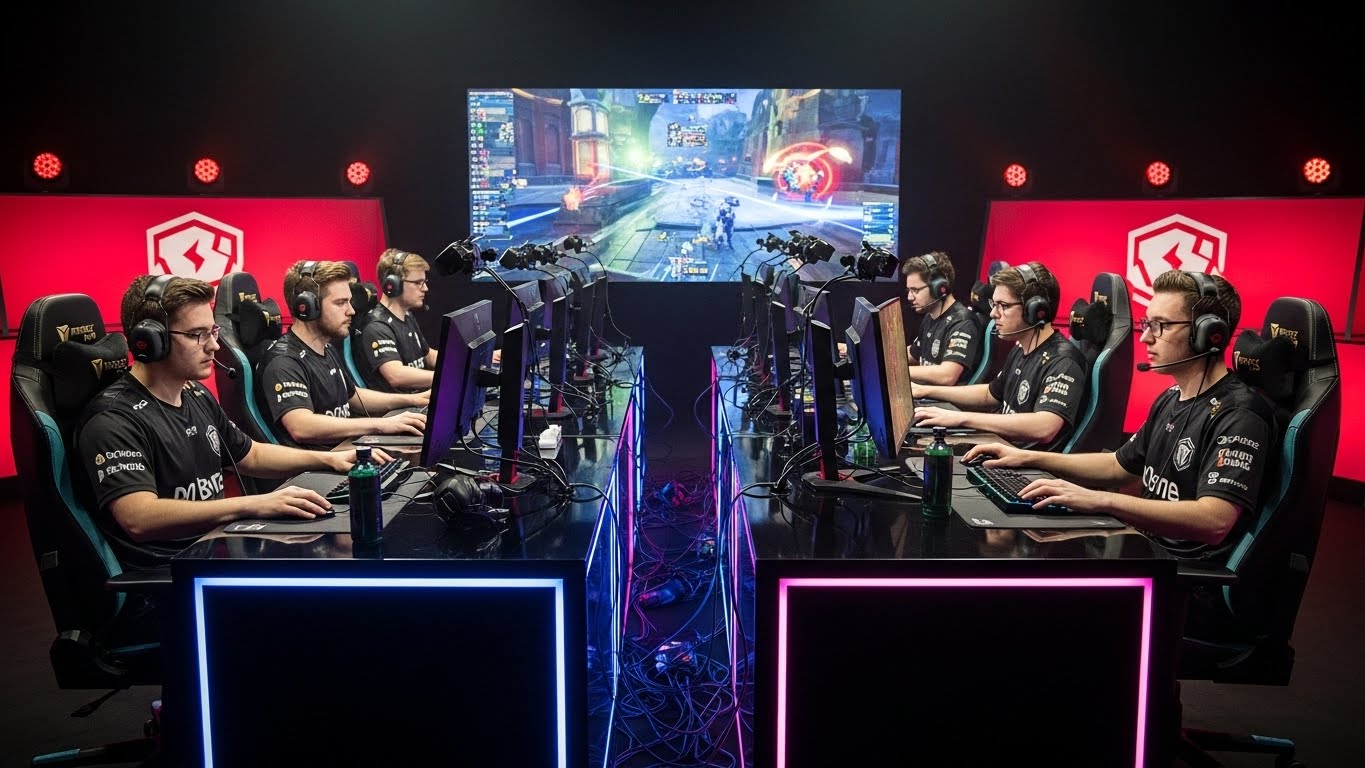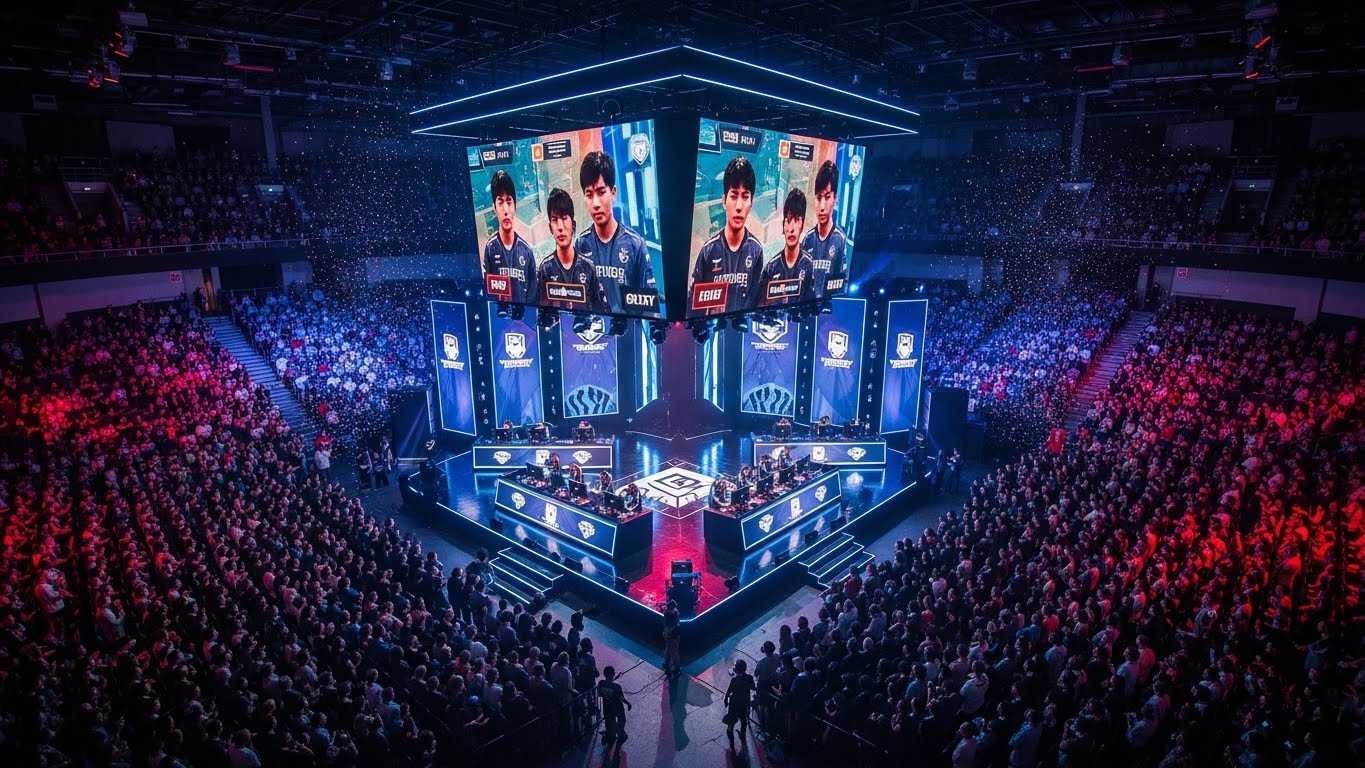

Esports, the competitive world of video gaming, has evolved from a fringe hobby to a massive global industry. Once considered a niche activity, it now attracts millions of viewers, professional players, global brands, and billions in revenue. What was once a pastime enjoyed in basements and arcades has transformed into a legitimate career path, drawing comparisons to traditional sports in terms of audience size, commercial sponsorship, and media coverage.
In this blog, we’ll explore the history, current state, and future of esports, uncovering the factors that have made it a dominant force in the world of entertainment.
The Origins of Esports: From Arcade Games to Professional Tournaments
Esports didn’t appear out of nowhere. Its roots can be traced back to the early days of video games. The first recorded competitive gaming event took place in 1972 at Stanford University, where students competed in a game called Spacewar. Though small in scale, this event marked the beginning of competitive gaming.
As video games grew in popularity, so did the idea of playing against others. In the 1980s and 1990s, arcade games like Pac-Man, Donkey Kong, and Street Fighter became staples in gaming culture. People began to congregate in arcades, testing their skills against others for fun. However, competitive gaming still lacked the infrastructure and organization necessary for it to evolve into a professional sport.
The true birth of modern esports began in the late 1990s and early 2000s, with the advent of the internet and multiplayer online games. Titles like StarCraft, Quake, and Warcraft introduced players from around the world to a new kind of competition. Players were no longer limited to local matchups; they could now face opponents from different countries, creating a global community of gamers.
The Rise of Online Gaming and Streaming Platforms
In the early 2000s, a key factor that propelled esports to the forefront was the rise of online multiplayer games and the growing importance of streaming platforms. Games such as League of Legends, Counter-Strike, and Dota 2 became popular, offering players not just a way to play but an entire ecosystem of competition. These games allowed gamers to participate in ranked matches, creating a competitive ladder system and offering rewards based on performance.
However, it wasn’t just the players who began to engage with these games. Fans of esports also emerged, drawn to the drama, skill, and excitement that these games provided. It was at this point that streaming services like Twitch, which launched in 2011, changed the landscape of esports entirely. For the first time, fans could watch professional players live, often interacting with them in real-time through chat. What started as niche broadcasts on video platforms quickly grew into full-fledged live events with millions of viewers. Esports had officially become mainstream.
Twitch’s rapid growth revolutionized how esports was consumed. Viewers could now watch live tournaments, follow their favorite streamers, and even engage in discussions about strategies and gameplay. The ability to stream directly from home allowed anyone to become a content creator, leading to the rise of personal brands built around competitive gaming. For many, streaming became a full-time career, with some streamers amassing millions of followers.
The Esports Ecosystem: Teams, Leagues, and Global Tournaments
The esports ecosystem is complex and multi-layered. It’s not just about the games themselves but the structure surrounding them: teams, leagues, sponsors, fans, and media coverage. Professional esports has its own set of rules, much like traditional sports, with teams, managers, coaches, and analysts all playing critical roles.
Professional esports teams operate similarly to traditional sports teams. Players join organizations that provide them with resources like coaches, analysts, sponsorships, and facilities to train. Some esports organizations operate across multiple games, with teams competing in different genres such as League of Legends, Valorant, Fortnite, and Dota 2.
Leagues and tournaments are the heart of competitive gaming. Just like the NFL or NBA in traditional sports, esports leagues provide the structure for competition. Major esports events, such as The International (for Dota 2), League of Legends World Championship, and Overwatch League, attract millions of viewers worldwide and offer prize pools that can reach tens of millions of dollars.
These tournaments are often broadcast across a variety of platforms, from YouTube to dedicated esports channels on television. The excitement of watching high-level competition, combined with expert commentary and live interactions with the players, has made esports an incredibly engaging form of entertainment.
Esports and Its Expanding Audience
Esports isn’t just for hardcore gamers anymore. One of the most remarkable aspects of the esports phenomenon is its diverse audience. According to recent reports, esports viewership numbers rival those of traditional sports, especially among younger demographics. The global esports audience is estimated to be over 500 million people, with that number continuing to rise year after year. Esports tournaments now draw large crowds, sometimes filling entire stadiums, while millions more watch from home.
The audience for esports is also incredibly global. While esports has its roots in the United States, South Korea, and Europe, the competitive gaming scene has exploded in regions such as China, Southeast Asia, and Latin America. In countries like South Korea, esports has achieved national recognition, with players becoming celebrities and events receiving the same level of attention as traditional sports.
Esports is also breaking down the barriers of entry for fans. Unlike traditional sports, where location and infrastructure may limit access, anyone with an internet connection can watch an esports tournament. This accessibility, combined with the excitement of the competition, has made esports a global entertainment phenomenon.
The Business of Esports: Sponsorships, Investments, and Merchandising
The business side of esports is booming, with sponsorships, investments, and merchandising playing a massive role in its growth. Major brands, from technology companies like Intel and NVIDIA to consumer goods companies like Coca-Cola and Red Bull, are investing heavily in the esports industry. These sponsorships help fund tournaments, provide gear for players, and increase exposure for esports.
Esports organizations are not just competing for championships; they are also competing for sponsorships and endorsements. Some of the most successful teams have secured multi-million-dollar deals with major companies. These sponsorships help teams cover operational costs, pay salaries for players and staff, and fund the travel expenses associated with competing in global tournaments.
Additionally, esports has generated significant revenue through the sale of merchandise, including team jerseys, hats, and branded accessories. Fans often wear merchandise to show support for their favorite teams, further promoting the sport.
As esports continues to grow, so does the interest from investors. In recent years, venture capital firms and private equity investors have poured money into esports organizations, hoping to capitalize on the sport’s increasing popularity. This influx of funding has helped fuel the growth of new leagues, tournaments, and training programs, further expanding the industry.
The Impact of Esports on Traditional Sports
As esports continues to grow, it is increasingly being seen as a legitimate competitor to traditional sports. Esports offers many of the same thrills and competitive drama as traditional sports but with a digital twist. Its global appeal, low-cost entry point, and accessibility make it particularly attractive to younger generations who may not be as engaged with traditional forms of athletic competition.
In some ways, esports has already begun to integrate with traditional sports. Several professional sports organizations have invested in esports, creating their own teams or leagues. For example, traditional sports franchises like the New England Patriots and the Golden State Warriors have entered the esports space by sponsoring teams or investing in esports infrastructure. Some teams even compete in both traditional sports and esports, giving them a unique cross-platform presence.
Moreover, traditional sports organizations are looking to esports as a way to expand their fan base and increase engagement. Many esports events are now broadcast on traditional sports channels, and some stadiums are being used to host major esports tournaments.
The Future of Esports: What Lies Ahead?
The future of esports looks incredibly promising. As technology continues to evolve, so too will the ways in which we experience and engage with esports. Virtual reality (VR) and augmented reality (AR) could revolutionize how esports tournaments are played and watched. Imagine watching an esports match in VR, where you can not only see the action unfold from multiple perspectives but also interact with other fans in a virtual environment.
Mobile gaming is also on the rise, and mobile esports is expected to see significant growth in the coming years. Games like PUBG Mobile and Clash Royale are already attracting millions of competitive players and viewers. As mobile technology improves, the accessibility and global reach of esports will only expand.
Esports is also likely to become more institutionalized. Universities are already offering esports scholarships, and some high schools are beginning to build esports programs. As more young people pursue esports as a career path, the professional scene will continue to mature, offering players and fans new opportunities for involvement.
Conclusion
Esports has come a long way from its humble beginnings. Today, it is a billion-dollar industry that competes with traditional sports in terms of viewership, revenue, and cultural impact. Its global reach, diverse audience, and growing presence in mainstream media make it clear that esports is here to stay. As the industry continues to evolve, it will undoubtedly bring about new forms of competition, entertainment, and innovation, shaping the future of sports and digital culture for years to come.